
An Editorial Article about Mary Elizabeth, Her Majesty The Queen of Denmark, Countess of Monpezat.18/10/2024 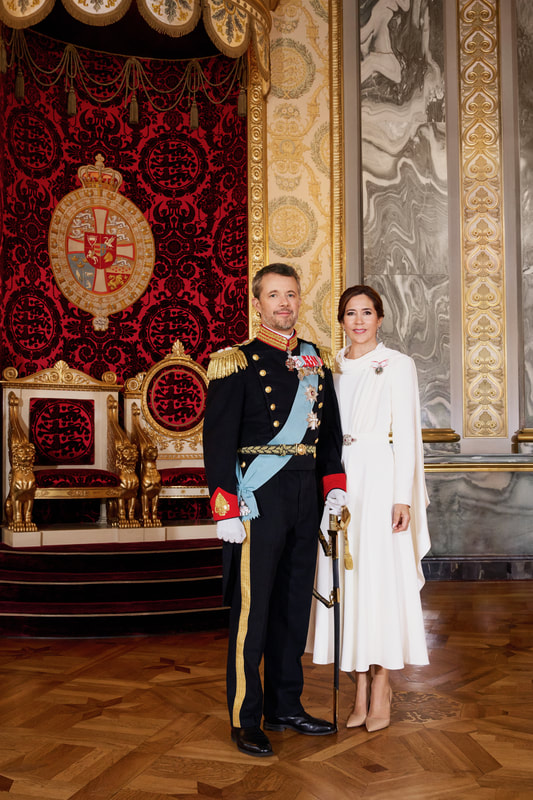 Official portraits of The Royal Family Photo: Dennis Stenild, Kongehuset © Today I am highlighting someone that I consider a wonderful example and a champion of the Danish and Australian people, Mary Elizabeth, Mary Elizabeth, Her Majesty The Queen of Denmark, Countess of Monpezat. I am pleased to give you an editorial series that positively talks about Queen Mary and her achievements and the mark she has left for generations to come. Today, I will be spotlighting areas of Queen Mary and the Royal Danish Court:
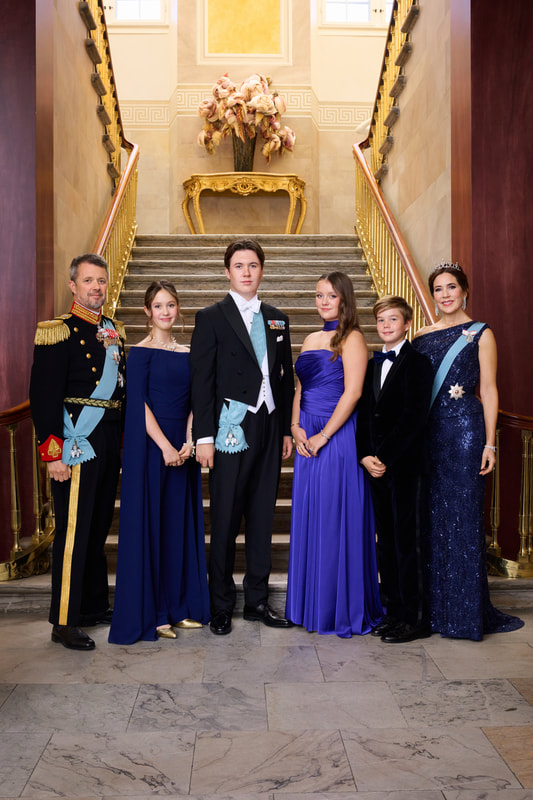 Gala photos of The Crown Prince Family Dennis Stenild, Kongehuset © Queen Mary in Her Role as Her Majesty Why have I focused on Queen Mary today? Many I speak to admire Queen Mary. Who would have thought an Australian making their way into a notable Scandinavian royal family! Well, she did it on the premises of love. Let’s get to know the Queen Mary better. Queen Mary was born Hobart, Tasmania, Australia as Mary Elizabeth Donaldson. She is the youngest daughter parent to John Donaldson and Henrietta Donaldson; The Queen has two sisters and one brother. Where is Tasmania you may ask? It is a small island that makes up the seven states of Australia. Tasmania is known as the ‘island of contrasts’ where you can hike on rugged mountains, bathe in cleanest coastlines, picnic in the calmest bays, walk in native forests and the eat freshest produce you can find in Australia. The Crown Princess Early Years The Queen’s early years began in Texas. Returning to Hobart, Mary attended school the University of Tasmania graduating with a bachelor’s degree in Commerce and Law. Her further education continued, working for advertising agencies in Melbourne, Australia. Queen Mary was already well-travelled in her younger years and came from an emigree family that originated from Scotland. After achieving a university education and working in her areas of expertise, she travelled throughout Europe and the United Kingdom which included Scotland. Queen Mary worked in Scotland and for a short time in Paris, Melbourne and Sydney. 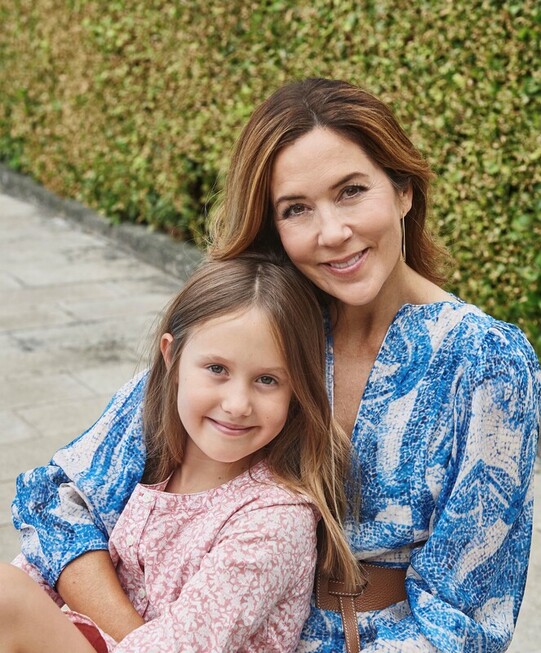 HRH The Crown Princess's post on International Women's Day Photo Franne Voigt © Queen Mary Today Since her marriage The King Frederik of Denmark, Queen Mary has learnt to speak, fluently in Danish. Danish is not an easy language to learn however over time she has been able to be accomplished in this Nordic language. Her acceptance of the Danish culture can be seen in many family photos. You will see her dressed in national costume wearing traditional clothing from The Kingdom of Denmark and Greenland. The royal family resides with their family in Frederik VIII’s Palace at Amalienborg and in the Chancellery House at Fredensborg Palace. To assist Queen Mary to accomplish her many roles and look after the day-to-day palace many routines, available to her the secretariat, service unit and household staff. The staff assist her in making international visits, attend ceremonies, making visits to Danish forces around the world. The Queen - The Advocate Queen Mary is a passionate advocate for disadvantaged migrants, integration and fundraising projects, health and empowerment focusing on women, adolescent girls and children. You can find her to be the patron of The Alannah and Madeline Foundation, Twins Research Australia, Healthcare Denmark, University of Tasmania, European Emergency Medical Services Congress, Danish Cultural Institute. In 2007 Queen Mary announced the opening of the Mary Foundation which dedicates funds focusing on three areas such as bullying, well-being, domestic violence and loneliness. After marriage in 2004, throughout her years, Queen Mary has displayed an elegant, timeless and classic style and has featured in Vanity Fair’s annual best-dressed list, Vogue Australia, Germany, Woman Weekly Australia. She makes a point to wear Danish designers clothing and jewellery which has made famous brands such as Ole Lynggaard Jewellery, Copenhagen designer David Andersen. 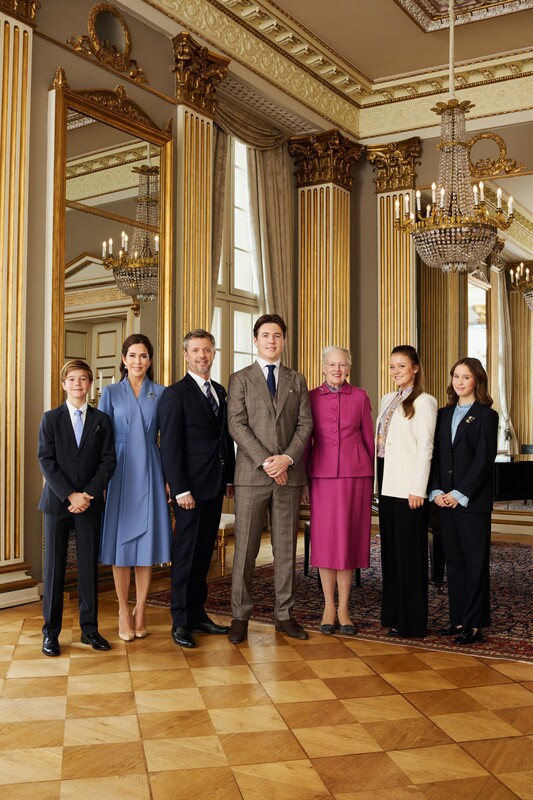 Official Photos Photo Dennis Stenild, Kongehuset © Quick Peek Into The History of the Danish Royal Family The Kingdom of Denmark was united by the 8th century under King Gudfred; however, from the 9th century onwards, it was reunited by the Viking king Gorm the Old and Harald Bluetooth as an elective monarchy. It then became hereditary from the 17th century onwards during the reign of Frederick III. Today the Danish Royal House is from a princely branch of the family Oldenborg and then Glücksburg. Christoffer III, in 1448, died, leaving no children and the Danish monarchy almost died out. Christian I was chosen from a branch of indirect family members. The reign of the Royal Family of Oldenborg lasted for over 415 years, reigning until 1863 when Frederik VII died childless. Once again, a descendant from the junior branch of the House of Oldenburg was given the role to reign Denmark, Prince Christian IX of Glücksborg. He reigned from 1863 to 1906, and he has concurrently held the titles of Duke of Schleswig, Holstein and Lauenburg. Christian's six children with Louise married into other European royal families, earning him the sobriquet "the father-in-law of Europe". His descendants' royal families were in Greece, Belgium, Norway, Luxembourg, the United Kingdom, Spain, Yugoslavia and Romania. Interestingly, The Act of Succession, 1953, permitted a female to reign, seeing Princess Margrethe become Queen in 1972. Modern Day Denmark Today Denmark has a constitutional institution. What does that mean? The monarch, HM The King, cannot independently perform political acts. The monarch must 'represent Denmark abroad and be a figurehead at home' and duties consisting of bestowing honours, appointing a prime minister, and family members attending ceremonial, diplomatic, and representational duties. The Kingdom includes Denmark and is not limited to Denmark itself; it includes autonomous territories of the Faroe Islands and Greenland. 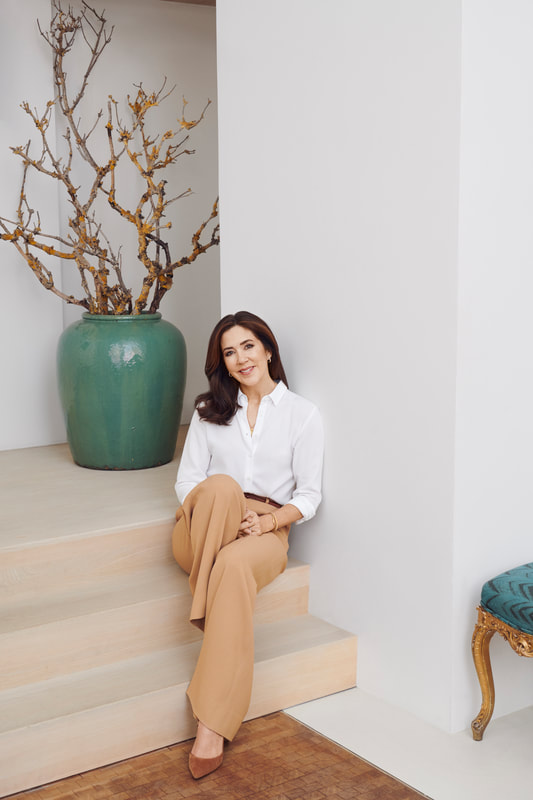 New Official Photos of The Crown Prince Family Photo Hasse Nielsen © Like most royals, using protocols and etiquette features heavily in the Queen's life, whether at home or in public. Many may think somehow that the individual is already an expert, or a wand is waved, and a magical transformation occurs. The truth is that training and just plain hard work is the secret formula to flawlessly stepping into a royal house that is over 1000 years old. How did Queen Mary do it? The Language Of Protocol Protocol is essential for any royal house. Protocol is the official procedure of systems that guides behaviour and human order. Protocols between kingdoms, countries, and people allow for smooth relationships and interactions. For example, if Queen Mary wanted to write to King Charles, and she knows him personally, there would be no need for her to write to the King's private secretary and address the letter to him. Conversely, let's say she didn't know the King personally and wanted to communicate with him directly. The protocol Queen Mary would use: the letter would begin with 'Sir' or 'May it please Your Majesty'. The first line would contain 'With my humble duty' and end the letter' I have the honour to remain, Sir, Your Majesty most humble and obedient servant'. Protocol would dictate that upon being presented to King Charles at Buckingham Palace for a state visit, Queen Mary would curtsy, a short and dignified dip keeping eye contact or bow from the neck (not waist). Conversely, if you are a Danish citizen, the Queen would stand and wait for you to bow or curtsey. If the royal hand is extended, take it lightly and quickly, at the same time performing a dip or bow. In Front Of The Camera You will see Queen Mary using natural and elegant hand movements and always looking straight at the person interviewing her. Using hand gestures creates a natural body movement which then affects your voice it shows that she is confident, comfortable and conversational. You will find many photos in the media of Queen Mary sitting at charities, presentations and royal visits, sitting visually perfect. Here is how she does it: when seated, the best deportment is sitting in the chair where you are not resting on the backrest. You are, in fact, a fist away and leaning 15 degrees forward, with a straight back. It's best not to have your back super straight, preferably relaxed and natural. If the chair has armrests, remember to keep your arms in and lay your hands on your lap. Using the armrest will hitch your shoulders up, making you look tense, and appear sloppy on camera. Foot placement is another consideration, affecting your posture and entire body deportment. Having the correct stance is best when talking in front of a camera. You can do this by placing one foot forward and the other back. All these techniques take practice, and the best approach is to use your camera to record yourself. The Elegance of Etiquette In all royal households worldwide, etiquette is a prominent feature that families follow. It is simply a code of polite behaviour. Royalty is the face and representative of their country; etiquette allows them to show kindness and mindfulness to people they meet. Etiquette covers many areas such as socialising, navigating a table setting, international customs, and business matters. Queen Mary has always been authentically ‘herself.’ She shows actual genuine care and respect for the people of the kingdom of Denmark and Australia. She has demonstrated flexibility In moving from Australia to her Homeland to make Denmark her new home. Tenacity as a busy mother and wife… Respect for the role that she married into for the rest of her life... Queen Mary is a princess of grace, style and effortless beauty. She has been able to manage etiquette protocol. Royal life is a life of patroness and representative of the royal family, mother, wife, successfully and dutifully. 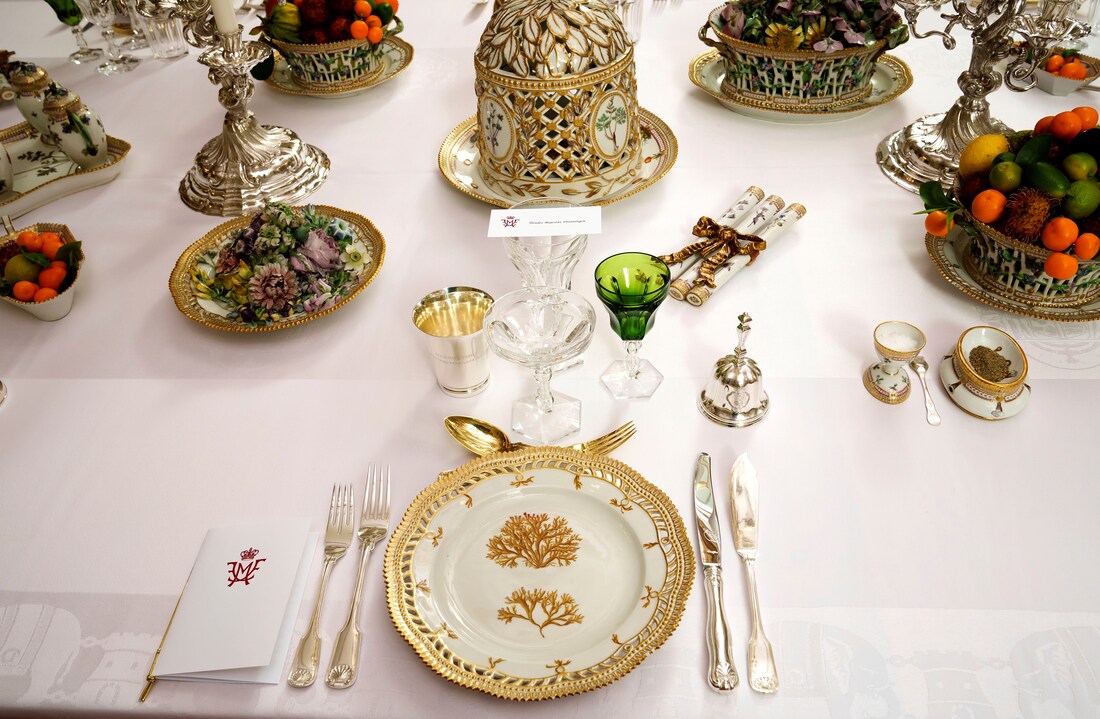 The 50 years anniversary of HM The Queen’s accession to the throne The Queen was celebrated at a private dinner by the closest family members Photo Keld Navntoft, Kongehuset © Royal Invitations If you or perhaps a charity or organisation, wanted the Queen to be a guest of honour, the invitation would best be made through a member of the royal household, like the Chief of Court of The Royal Household. The details they would require would be the event's nature, place, date, and time. The household manager always has to work alongside the secretarial and service unit. They are professionals and would help you with your guest list, menu and form of dress, and whether the Royal guest(s) could accept the invitation. The same attention to detail would also be seen and expected in return from you, if you had the good fortune of being invited to any type of royal meal by the Queen, or for the King. You would undoubtedly need to respond promptly to any “RSVP” request. You would need to respond formally, by hand written response, and you response would need to be sent within the required time. There is absolutely no texting nor emailing involved in responding to RSVP’s unless the invitation was texted or emailed to you. This is the same as if you have received a gift from someone. This once-in-a-life-time type invitation may be for events at either of one of two of the Crowned couple's residences… Amalienborg Palace or Chancellery House at Fredensborg Palace. In the time that lies between sending your acceptance and the actual day of your royal experience, you might want to brush up on your European dining techniques, so you don't worry whilst dining about your table manners and can focus on being a sociable and interested guest, conversationalist and listener. 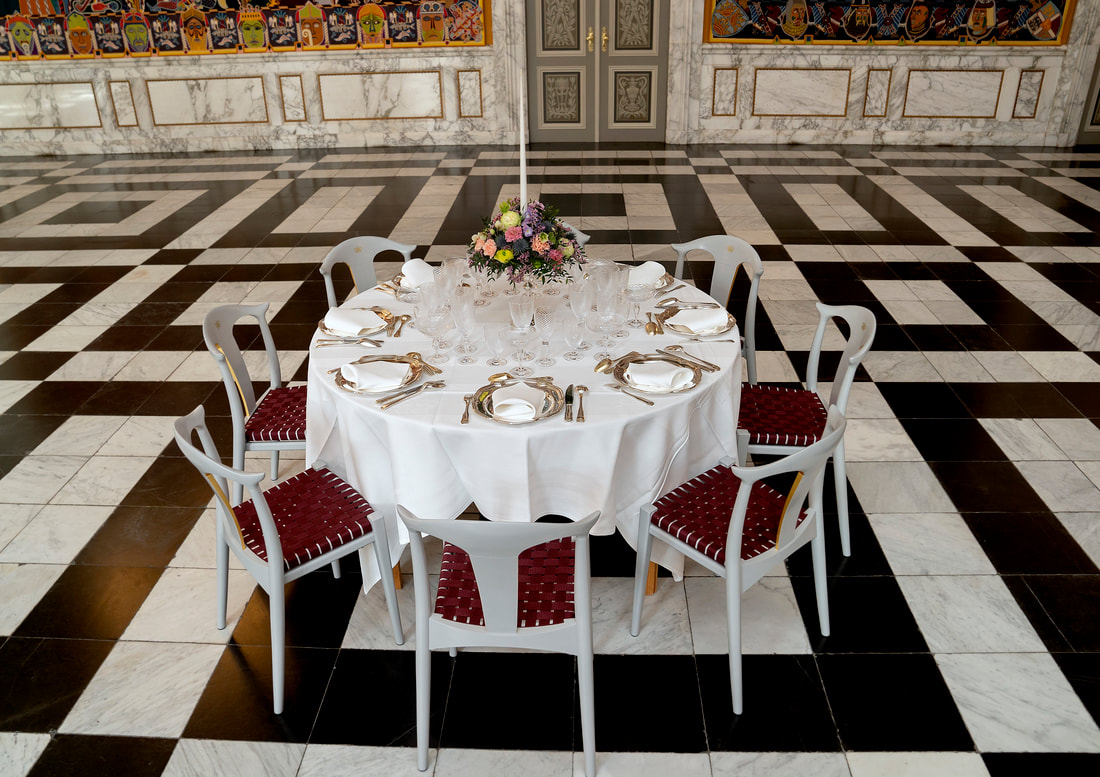 New Royal Table Chairs Photo Keld Navntoft, Kongehuset © Dining with Royalty When being escorted into the royal dining room to the dining table, there will be a few things you will need to know. The dining table will undoubtedly be set with exquisite and expensive crystal, porcelain and silverware, so 'accidentally bumping' any dinnerware is not an option. While you won’t be using any of the famed Flora Danica service, the food you’d be served would undoubtedly be served on porcelain by Royal Copenhagen, the makers of “Flora Danica.” Two years ago, 2020, marked the 230th anniversary of the precious dinnerware. Still as enchanting as when initially imagined, the fine, hand painted porcelain, decorated with Danish flowers, remains one of the world’s most prestigious and luxurious dishes to dine on. Every individual piece of Flora Danica is still carefully created by hand. Flora Danica has been used at many festive royal Danish occasions throughout the last two hundred years, however, there was always at least one piece lost at each event to breakage, so the exquisite dinnerware was retired from royal use by 2000. The last time it was seen publicly and officially, it was the 1990 birthday party for Queen Ingrid. The collection - about 1530 pieces in total - is one of the most well preserved and maintained services in the world. It is now mainly used for exhibition. Danish Food Danish cooking and food, like all cultures, is a derivative of food that was foraged from the land, that came from trade, invasions and discoveries. For centuries Denmark has had a paddock to plate culinaere. Today, gastronomic travel the Scandinavian countries are popular to try the freshest of fresh seasonal produce such as ocean fish, root vegetables, cabbage, berries, potatoes, rye bread, smoked meat, pickled fish, cheeses, and cakes. Some notable dishes that you might be served are: K"Rvelsuppe - Chervil Soup, Smørrebrød - Open Sandwiches, Stegt Flæsk Med Persillesovs - Crispy Pork With Parsley Sauce And Potatoes, Fiskefrikadeller - Pan-Fried Fish Patties, Rødgrød Med Fløde - Danish Red Berry Pudding, Dream Cake – Drømmekage. 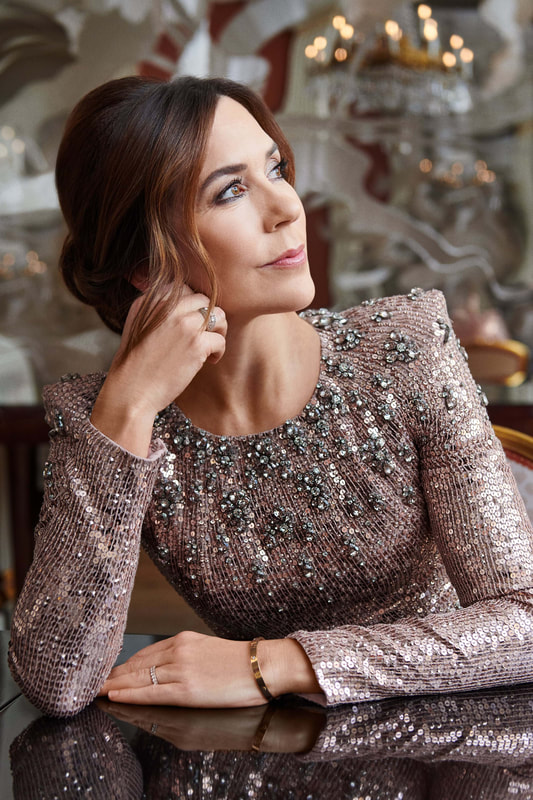 HRH The Crown Princess's 50th birthday Hasse Nielsen © I hope that you have found this editorial series helpful and shown that Mary Elizabeth, Her Majesty The Queen is a truly wonderful example and most certainly her achievements and the mark she has left for generations to come.
0 Comments
 The Times of India headline on 28th January 2024 screamed: “China’s Top Diplomat at Meeting with US Official Urges Washington Not to Support Taiwan Independence”. The news article explained that Chinese Foreign Minister Wang Yi and US national security adviser Jake Sullivan met in Thailand for high-level talks and previously in Malta and Vienna. No doubt, with the tensions brewing before the negotiations, diplomats from these countries would have made calls of introduction to each other as a matter of urgency to keep avenues open for talks in the future.
In their 2014 work, researchers Sale and Neale underscored introductions’ role in initiating, developing, and sustaining relationships. They emphasised that practical communication skills are essential to creating relationships founded on mutual trust and respect. Their research delved into the significance of introductions as the initial step in building rapport and establishing connections. Sale and Neale said how you communicate when you first meet someone affects how your relationship will go later. They investigated how people introducing themselves can make others see them as trustworthy, likeable, and professional. Through study and analysis, they showed how critical introductions are for personal or professional relationships. Their findings provide valuable insights for individuals seeking to navigate social and professional landscapes with finesse and efficacy, highlighting the pivotal role of effective communication in creating meaningful connections. Please note: That all countries may have varying mission's customs. You may want to consult your foreign affairs manual of your country or seek guidance from the protocol officer. So, how can a diplomat in a new post make successful calls? The aim of making calls is to introduce yourself at the post. The greater your exposure to diverse individuals, the higher the probability of feeling at ease and achieving success in a fresh undertaking. What sort of calls can you expect to make? Expect three types of calls: official, office, and social calls. Official calls are in-person meetings hosted at an embassy or residence, where a formal invitation is sent. Office visits remain the primary method for employees to meet their new colleagues. Social or informal calls can be hosted at home or out. Invitations are made via phone calls or invitations. In both instances, an exchange of business cards is advised. While social calls to homes are still observed in some locations, informal social events, phone communications, and invitations have become more prevalent for initial introductions. If your role involves interactions with the host country’s government or its residents, scheduling appointments for meetings in their offices is advisable. It’s common practice for chiefs of missions to conduct office visits to counterparts from other foreign missions, adhering to diplomatic precedence. By local practices, your spouse may accompany you to either one social or official call, if not your spouse, then a colleague. The Times of India underscore the critical importance of diplomatic introductions in building trust and respect. With tensions evident before the negotiations, diplomats from both countries likely engaged in introductory calls to establish rapport and maintain open avenues for future talks. Research by Sale and Neale also says how you introduce yourself can affect how people see you later. By understanding the impact of introductions on perceptions of credibility and professionalism, diplomats can navigate negotiations with finesse, hopefully leading to a smoother process and a favourable resolution. Please note: All countries may have varying mission customs. Consider consulting your country’s foreign affairs manual or seeking guidance from the protocol officer. Article Published By: Protocol Today VIP Special Edition  Sir Edmund Hillary's pursuit of climbing Mount Everest is a tale of determination, resilience, and a pioneering spirit. Alongside Tenzing Norgay, a Nepalese sherpa, Hillary made history on May 29, 1953, by becoming one of the first two humans to reach the summit of the world's highest peak. The same could be said for small talk, especially if it doesn’t come naturally to you. Hilliary and Norgay found the journey to climb Mount Everest fraught with peril, including treacherous weather, avalanches, and the thin, oxygen-starved air at high altitudes. As a late teenager and young adult, I found it difficult and bothersome to even know where to start when starting a conversation. While it might seem superficial and a necessary evil, the ability to engage in effortless conversation can significantly impact your personal and professional life. It’s the social lubricant that paves the way for rapport-building. So, let's demystify the art of small talk and transform it from a dreaded chore to an enjoyable skill. How to Start Small Talk with Examples:

Why Is Small Talk A Valuable Communication Skills Despite these challenges, Hillary's unwavering commitment and partnership with Norgay, built on mutual respect and trust, enabled them to conquer the summit. Their achievement marked a significant milestone in mountaineering history and symbolised the triumph of human endurance and the spirit of exploration. Mastering small talk is a skill that can be learned and improved upon. Following these tips and approaching conversations with a positive and open mindset can transform small talk into a valuable tool for building connections and making a great impression. Remember, the goal isn't to have the most brilliant conversation but to create a comfortable and enjoyable atmosphere for everyone involved.  Eliza Dolittle, the spirited character of "My Fair Lady," begins life as a Cockney flower girl with a distinctive, working-class accent. Her transformation into a refined lady is largely achieved through rigorous elocution practice under the tutelage of the eccentric Professor Henry Higgins. The ability to express yourself clearly and confidently is an invaluable skill. How you speak can significantly influence how others perceive you and how effectively your message is conveyed. Speaking well isn’t just about knowing the right words; it’s about how you use them. What Does Articulation Mean? Articulation is the clarity with which we pronounce words. It involves the precise movement of the lips, tongue, and jaw to produce distinct sounds that form understandable speech. When someone articulates well, their words are crisp, clear, and easily understood, regardless of their pace or volume. Poor articulation, on the other hand, can lead to mumbling or slurring, making it difficult for listeners to grasp the speaker’s message. How To Improve Articulation For example, consider the difference between “What do you think?” and “Wd’d’u’thk?” The first is clearly articulated, ensuring the listener understands the question, while the second is garbled, leaving the listener confused. Improving articulation involves practicing pronunciation, slowing down speech, and being mindful of how each sound is produced.  Eliza's journey is marked by relentless practice to eradicate her Cockney speech patterns. Higgins employs a variety of methods, including:
Phonetic drills: Eliza is subjected to endless repetition of vowel sounds and consonant combinations. Physical exercises: Techniques like holding a lit candle in front of her mouth to prevent the aspiration of "h" sounds and speaking with marbles in her mouth to improve articulation. Pro Tips:
Practice Exercises Peter Piper picked a peck of pickled peppers. A peck of pickled peppers Peter Piper picked If Peter Piper picked a peck of pickled peppers. Where’s the peck of pickled peppers Peter Piper picked? How much wood would a woodchuck chuck if a woodchuck could chuck wood? He would chuck, he would, as much as he could, and chuck as much wood As a woodchuck would if a woodchuck could chuck wood Importance of Articulation By honing these skills, you equip yourself with the tools to communicate more effectively, as Eliza Dolittle did, leaving a lasting impression wherever you go, as she did. Remember, speaking well is an art—one that can be learned, practiced, and perfected over time. It’s not just about what you say, but how you say it that makes the difference. 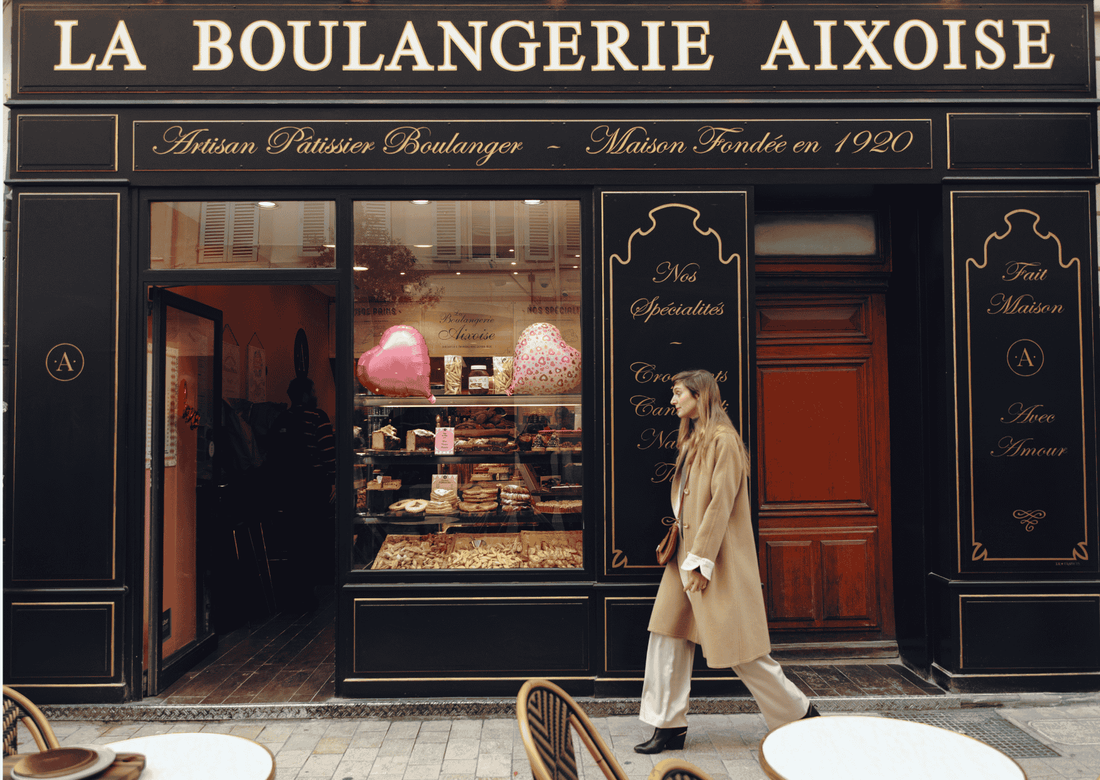 As outlined on JSTOR Daily, Maryann Tebben, French food scholar, explains, “The word “dessert” emerged in the seventeenth century, derived from the French verb “desservir,” meaning “to clear the table” in English. Etiquette dictated that napkins and tablecloths be changed before the final course, which at the time was a delicate fruit course. In a courtly context, the course itself was known as “le fruit,” but the bourgeois renamed it “dessert.” After the French Revolution, the aristocratic “fruit” was fully replaced by “dessert.”
No one in this world doesn’t love a sugary treat, and I am one of them! Dessert, or, as the British say, pudding, is the sweet finale of a satisfying meal. Did you know that dessert has its etiquette? Step-by-Step Tips: This quick guide will equip you with the tools to savour your dessert while impressing your dining companions.
A Sweet Conclusion Fruit and other ‘entremets’ were the ‘dessert’ that ended the meal for centuries; however, the advent of sugar production from the West Indies to Mauritius, beginning in the 16th century, through to 17th through 19th centuries brought sugar to the westernised world, which then chef such as Marie-Antoine Carême, often hailed as the "Chef of Kings," was a culinary visionary who revolutionised the world of desserts. Beyond his groundbreaking contributions to savoury cuisine, Carême elevated pastry-making to an art form, treating desserts as architectural masterpieces. |
AuthorElizabeth Soos Archives
July 2026
Categories
|
 RSS Feed
