
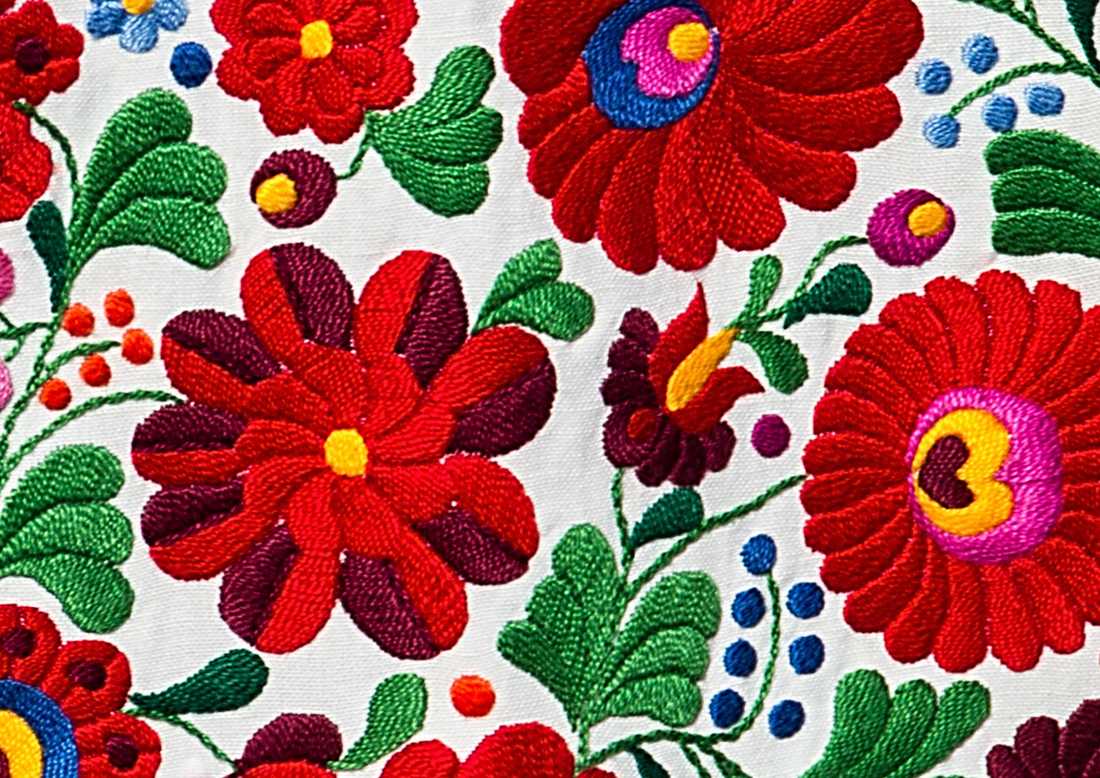
 Hungarikum This term is a combination of “Hungary,” or “Hungaria” and ‘‘unikum’’ meaning “unique.” Hungarians view themselves as citizens quite different from those of other European countries. It can refer to their food, family values, language, folk music, dancing, etiquette and respect. The Hungarian language – Magyer— is a unique language that stands under the umbrella of the Uralic language family. The closest known language to Hungarian is the Finnish. Many Hungarians mention this to show uniqueness and it is a source of pride. Hungarians are very respectful and etiquette oriented and will be very aware to show it and expect it to be returned. Hungarian Names Before knowing how to use Hungarian greetings it is wise to understand how Hungarians name themselves.
Hungarian Greetings
Hungarian Families Hungarians love their families and the centre of the social structure. Grandparents play an important role in helping to raising and teaching their grandchildren. They have strong ties with their immediate family and will live in proximity to their children. In years before, extended families often lived together and may still in the country areas. Food plays a huge role between families and friends. It is a way to show love and generosity. Hungarians have tended to a patriarchal society, where the male is the authority. Historically, in some country areas, women ate around the dining room, whilst the men sat on chairs at the table. Today city and suburban areas, the main decision makers are both partners and families have modernised in customs and attitudes.  Hungarian Dining Etiquette
Hungarian pride resides in that Hungarians enjoy using the correct forms and want everyone to do the same. Here are forms of etiquette to know:
Talking Topics
Article Published By: Etiquipedia.blogspot.com
0 Comments
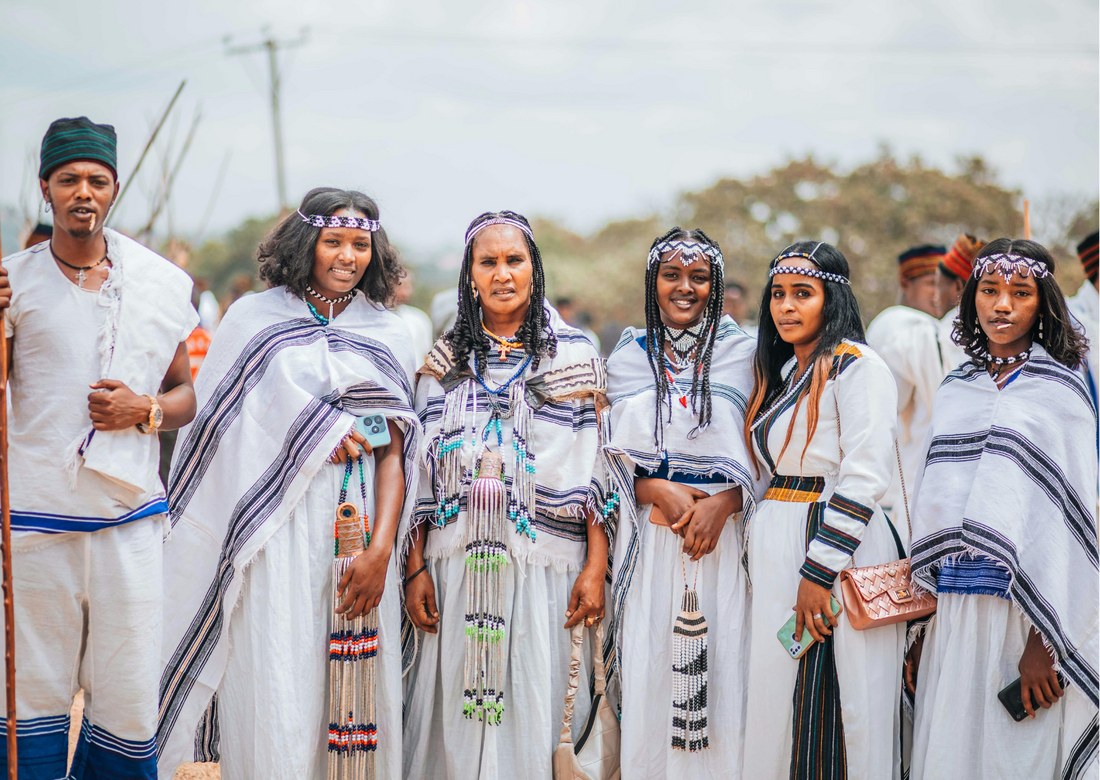 Growing up, my introduction to Ethiopia was of war and famine. Pictures of starving Ethiopians sitting under branchless trees flashed on the TV screens in 1983. Two years later on 13th July 1985, the mega star-studded, music-based fundraising event, Live Aid, blasted over the media. Ethiopia wouldn’t make the travel magazines’ top 10 dream destinations for quite a while. Fast-forward 30 years and a trip to East Africa which I was invited to join. I couldn't say no. Africa fascinates me to this day. The carrier I flew was Ethiopian Airlines, which was an experience to remember! I've never had to catch my food tray before, and there was absolutely no turbulence. I'm not sure why the attendants were in such a hurry. How to Greet Ethiopians Never rush or hurry your greeting. Ethiopians are a hospitable people, with a warm and caring culture, so they are curious about those visiting their country for the first time. You are expected to stand, perform your greeting, acknowledge the other person, and talk for a short while. It is polite to take an interest in those you meet. Inquire about a person’s health, their children, their family or their work. Age and Status in Greetings A long-standing ancient culture, Ethiopians expect that age and status matter. The elderly, or someone of higher status, is greeted first, and with great respect, such as taking their hands to kiss them, or the greeter could bow and lower their head and say ‘Indemin not’. The eldest in a group is also the first to take food from a communal dish, while the youngest are the last to help themselves. The younger generation may use light handshaking and eye contact upon meeting and greeting someone new. Close friends may kiss and hug upon seeing each other up to four or more times and have a very extended embrace. Physical touch may differ between religious associations and ethnic groups. While some Muslims may physically touch during greetings, others may greet verbally only. 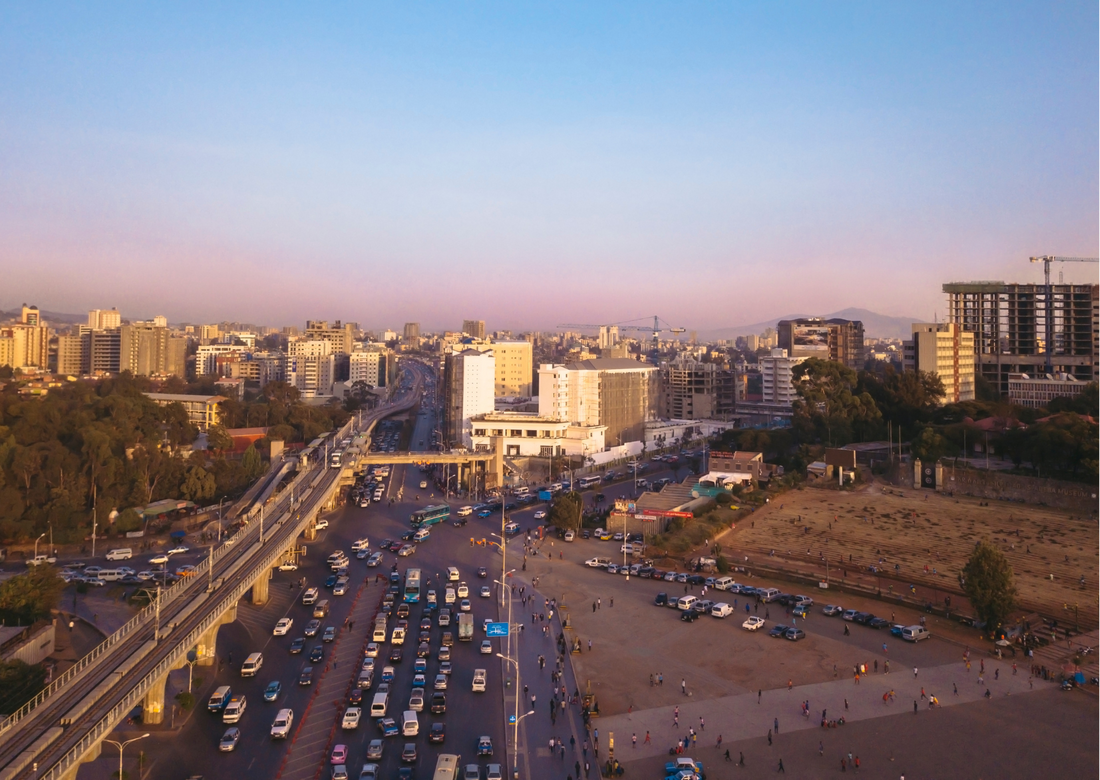 How to Start a Conversation with an Ethiopian
Ethiopia has approximately 90 or more different languages, Amharic being the official language. Therefore, greetings are expected to be courteous, even if speakers do not share the same language. ‘Salam’ is the most widely used informal greeting, similar to saying hello. ‘Tena yistilin’ is a respectful, formal greeting, translating to “May God give you health”. When asking “How are you?”, the phrase changes depending on the gender of the person you're addressing, with ‘Indemin nih?’ for men and ‘Indemin nish?’ for women. Ethiopian Pride Ethiopians love talking about their nation’s role in human history. Topics include the Queen of Sheba, who features in the Bible, ‘Lucy,’ a non-hominin ape, their most famous beverage—coffee—and the ancient churches which are carved in mountains. These topics and more will lead to spirited conversations with locals. Ethiopia Today When I travelled to Ethiopia, I found that the country had returned to normality after the shocking images of 1983. My friend and I were warmly welcomed and well-treated by the Ethiopian people. We walked the streets and toured around Addis Ababa, a well-planned city with wide, dusty roads. Unfortunately, on my trip I merely was able to touch the surface of the Ethiopian culture. There was so much more that I wanted to know and understand. I hope to return some day in the future. Article Published By: Etiquipedia.blogspot.com  One of the most famous advertisements encouraging people to travel to the ‘Land Down Under’ featured an Australian actor, Paul Hogan, made famous by the movie ‘Crocodile Dundee’. The Australian Tourism Commission, during the 80’s, coined a phrase which went viral, “I'll slip an extra shrimp on the barbie for you” together with the ad’s byline “Come and Say G’day”. Not only had both of these phrases been made famous worldwide, but also in Australia. We all said it at one time; it was really catchy. Something I need you to know before you come to Australia….we actually don’t say shrimp! We say prawns. As this ad was targeting those Americans, the word prawn was exchanged. Australia is a unique country. When traveling, you will find each state is different and has its own history, attitudes, vibe and weather. History of Australia The Indigenous people of Australia, known as Aboriginals and Torres Strait Islanders, were the original custodians of the land, making their way from Southeast Asia. From the 17thcentury, Dutch navigators discovered land by sailing around the western and southern coasts, naming it New Holland. Lieutenant James Cook, in 1770, explored the east coast and declared it for Great Britain. Australia’s name came from the Portuguese term noted in 1606 by explorer Pedro Fernandes de Queirós, referring to the island of New Guinea and beyond as ‘La Austrialia del Espiritu Santo’. This term changed to ‘Terra Australis Incognita’ from the Latin for ‘Unknown South Land,’ and then in 1814 changed to Australia. Due to mass overcrowding in prisons in Great Britain in 1788, Australia was used as a penal colony. As a result, those from England, Wales, Scotland and Ireland settled and dispossessed Aboriginals and Torres Strait Islanders and treated them as they previously treated those who lived in South America, India, and the Caribbean. Eventually, by 1901, Australia became the Commonwealth of Australia and became a federation of six self-governing states, after a resolution was passed in the British Parliament. Today, Australia is a very multicultural country. Throughout history, Australia has needed the influx of migrants to help grow and expand the Australian economy and rugged land. Global conflicts, including both World Wars and the Vietnam War, caused major waves of immigration from Europe and Asia, and other international territories. Australian Etiquette – Do’s and Don’ts Informal greetings are appropriate in an Australian social setting, always use a person’s first name unless you are told otherwise. The most common verbal introduction is Hey, Hello or Hi. In-country and remote areas, some Australians will use slang such as G’day or G’day mate. In the city areas, you will hear introductions such as Hey, how are you? Your response should be, I’m good, thanks. How are you? This will help you break the ice. Commonly used greetings are handshakes, and a head nod is a standard greeting amongst men and some women. Australians do have an accent that is recognisable worldwide. The accent can change depending on the state they are from. Making sure that your handshake is firm hand and eye contact is made. Australians love good eye contact. As Australia is multicultural, different physical greetings may be given, such as air kisses or hugs. Watch for cues from your group or individual. As a lead-in after the introductions, the state of the weather will be mentioned. Australians love traveling and new experiences, so a way of connecting is talking about the country you are working in or from. Australians can speak in two ways, with diplomacy – “beat around the bush” or bluntly. “ They didn’t “beat around the bush”. As you have read, Australians do have their own language or ‘lingo’. Here are a few terms you need to know:
Australians love those who are open to talk, good listeners, and take the initiative. Those who are unfamiliar with a group take the opportunity to introduce themselves. It is also assumed at an event that you will make the effort to speak to people and mingle. Australians love humour and love to laugh. The Australian humour can be described as witty, quick, dry, and sarcastic. Those who love to do this are often called a ‘larrikin’. Many Australians swear, and don’t be surprised if a word or three comes out while speaking.  Australian Dining Etiquette
Australia's food once heavily reflected the British style, which was meat and vegetables, until the 1950s. With the arrival of immigrants to Australia, notably after the Second World War, they brought their cuisines and beverage traditions, such as coffee-making, with them. See article: Millions have taken advantage and happily embrace multi-cultural and indigenous cuisines. Australians have adopted the British way of setting the table and using cutlery; however, over time, Australians have learnt to use chopsticks and to use the fork and spoon for Asian-type foods. The Australian food that it's famous for is its BBQ. We love a barbecue, the taste that emanates from the cooking on an iron grill is like no other. For more information on the etiquette of being invited to a traditional Australian BBQ, read: Australian BBQ Etiquette. I remember when I was travelling in Turin, Italy, and needing a caffeine fix, I found a café that was attached to Palazzo Reale di Torino. I spoke in English, the barista picked up that I was from Australia, and without me having to say anything, he asked, “Do you want a cappuccino, your style?” I was in awe…he knew what an Australian cappuccino was! I couldn’t stop smiling. Australians love coffee with extra milk. If you want to know more about café etiquette in Australia, please see this article: Australian Café Etiquette Tips. So, does Australia do ‘tip’ at restaurants and cafes? The answer is no, generally. This is because Australian labour laws have made sure that hospitality workers are fully remunerated. Tipping is an optional extra. If you have had outstanding service and feel you want to reward the work of the individual(s), you can tip 5-10% of the total bill at a restaurant or café, drop a note or coins in the ‘tip jar’. Australian Unique Food Etiquette Australia also has a reputation for unusual and unique foods. Aussies love these sweet and savory dishes, which can be bought everywhere and freshly made in many restaurants and cafes. The history of Tim Tams started in 1964, based on a British product called Penguin and named after a horse that won the Kentucky Derby in 1958. Today, it’s an Australian staple that you will find in most kitchen cupboards. You bite two opposite ends of the rectangular chocolate biscuit to suck up coffee through it, making it gooey and warm. Vegemite was developed to re-create a local alternative to British Marmite using leftover brewer's yeast when imports were disrupted following World War I. Vegemite is used sparingly with lots of melted butter (not margarine) on hot, crispy toast bread for breakfast. Pavlova was invented by Herbert Sachse in 1935. Working in the kitchen at the Esplanade Hotel in Perth created this delicious masterpiece after the Russian ballerina Anna Pavlova. The base is sugar and egg whites baked and cooled for cream to sit on top with fruits such as strawberries and sliced kiwifruit. The cake needs to be served lying flat on the plate, as you will not be able to eat it standing up. ANZAC Biscuits were invented by Australian wives and women's groups around 1914 to 1915, to send to soldiers fighting abroad as they wouldn't spoil on long overseas voyages. Primarily made of rolled oats, flour, sugar, butter and golden syrup. Aussies love to eat this for morning tea with a cappuccino or tea. Traveling Etiquette in Australia What can you expect when traveling to Australia? What many forget is that, like Europe or the United States, Australia is so large that you need to take time to travel from state to state. You will be using airlines to get to places, as well as trains and buses. Australia’s love their ‘space’ and are used to wide and open areas and listening to nature. Understanding this, you should know that pushing and jostling to get on and off transport is discouraged, and speaking with the loudspeaker on is a huge no-no. Please also note that if you push into a queue or take yourself to the front of the queue, you will be promptly and firmly told to go back to your original place… very quickly. Another thing that is abhorrent is spitting in public or throwing rubbish. It is seen as rude and shocking. You can even get fined for throwing rubbish out of the car’s window. Australian Flora and Fauna Etiquette Flora and fauna are extremely important to Australians. Many, when describing home, will tell you about the beautiful trees, green lawns, nature walks in forests, and pristine beaches, however keenly aware of the dangers of the land. We have all learnt through school, family, and friends, to respect Australia’s biodiversity and ecosystems. All of us grow up knowing that you cannot touch spiders, snakes, koalas, kangaroos, wallabies, quokkas, Tasmanian devils, swim with jellyfish, or pick up octopuses while casually strolling the beach, jump in lakes, or swim at beaches, especially in the north of Australia's Top End, due to the crocodiles. Yes, we are cautious and yet immune. If you find an injured, sick or orphaned native animal, such as kangaroos, wombats or koalas, as soon as possible, deliver them to an authorised wildlife shelter in the area. Australian Beach Etiquette All Australians have been to a beach and many take holidays to relax next to one of the 11,000+ beaches around the island. Here is what you need to know when claiming your spot on the sands with your friends and family.
Australia is incredibly unique and beautiful, so travel to the “Land Down Under” and “Come and Say G’day”. We hope that you appreciate what our beautiful land has to offer, and that we see you soon. As Paul Hogan would say, “I’ll make sure to slip an extra shrimp on the barbie for you!” Pictures from www.nfsa.gov.au - https://www.nfsa.gov.au/collection/item/shrimp-barbie-paul-hogan Article Published By: Etiquipedia.blogspot.com 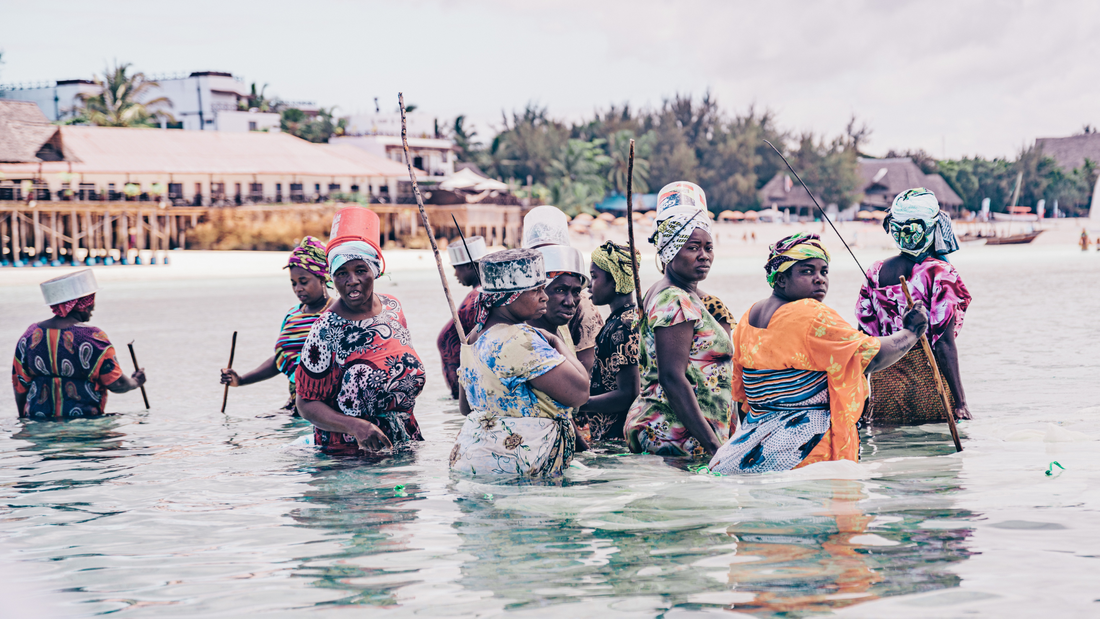 When I traveled to Tanzania, I was traveling in a group. We had traveled from Kenya, a booming populace with big personalities, to the sparse, quiet and shy people of Tanzania. It was a relief to feel the comfort and ease of the Tanzanian people after so much hustle and bustle. Our journey went very smoothly due to the fact that we followed some important etiquette rules. Before we get to the protocols of being a traveller in Tanzania, let me explain the history of this little-known country. Tanzania is a country located in East Africa and is best known for its vast and scenic wilderness and friendly, welcoming people. Its great lakes region is home to several national parks. It was previously called “Tanganyika and the Zanzibar Archipelago.” These two areas were governed separately. Today, it is combined as one and officially called the United Republic of Tanzania. It encompasses the Zanzibar, its islands, and is part of the British Commonwealth. How to Start the Conversation Tanzania is one of the oldest continuously inhabited areas in Africa, and has had many different rulers, such as those from the Horn of Africa, West Africa, Arab States, Germany and the United Kingdom. All of these had an influence on the Tanzanian language, religion, infrastructure and economy and the way education and the judicial systems have been structured. Tanzanian introductions and greetings are less pointed than in many other countries. They feel warmer and earnest and should be done in a relaxed way. They could be spoken by the state language, Swahili – be aware that there are approximately 120 languages spoken throughout Tanzania – however, when speaking to the elderly, less direct eye contact may be used and those in authority will want to speak in a polite and formalized language rather than colloquial. The following is some terminology to use when traveling:
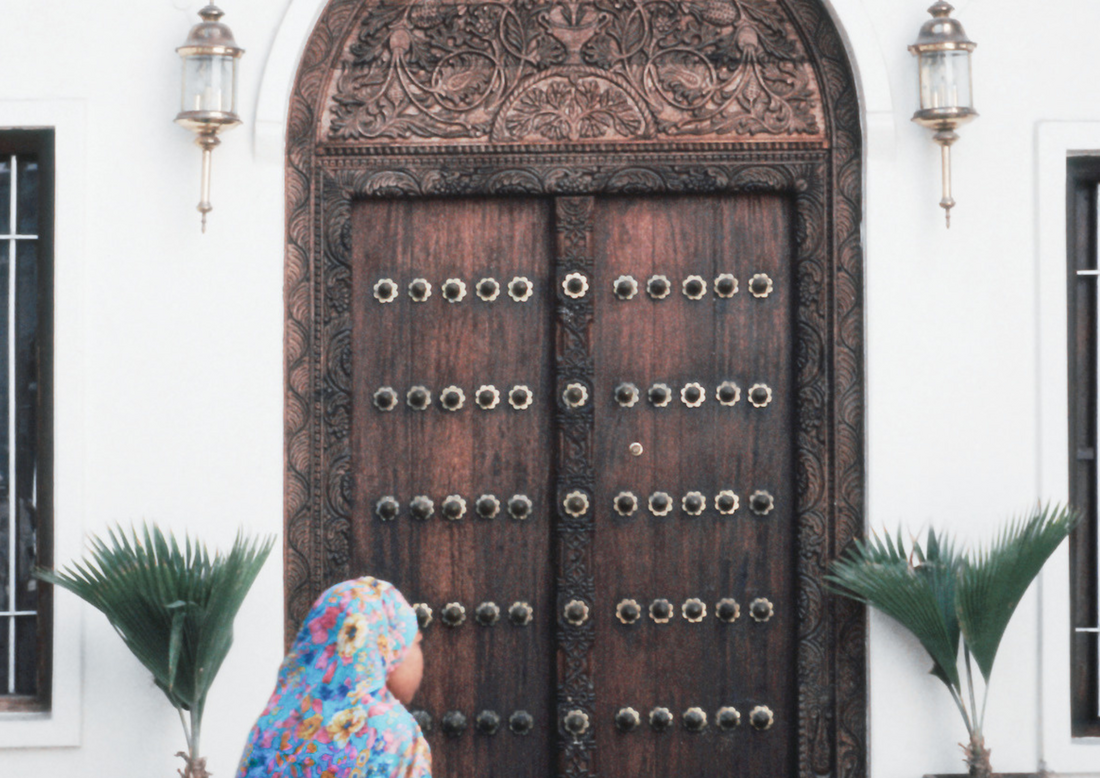 Cultural Expectations of Tanzania
Zanzibar’s Archipelago, the Spice Islands of Africa Zanzibar is truly beautiful. It is an ancient seaport and trading hub dating back to the 9th century, where Tanzanian merchants exchanged goods with seafaring nations such as India, the Arab world, and Persia. Precious items like ivory, gold, spices, and salt were traded, along with, tragically, enslaved people. The island’s architecture reflects its international traders, including locally designed coral-stone buildings. Eating the Tanzanian Way While travelling through Tanzania via Zanzibar, I found that the food was deliciously spicy, fresh and fragrant. Thanks to explorers discovering spices such as cloves, nutmeg, cinnamon, cardamom, black pepper, ginger, turmeric, and vanilla and bringing them via the Zanzibarian archipelago, this changed the way locals flavored their meals.
Article Published In: Etiquipedia.blogspot.com 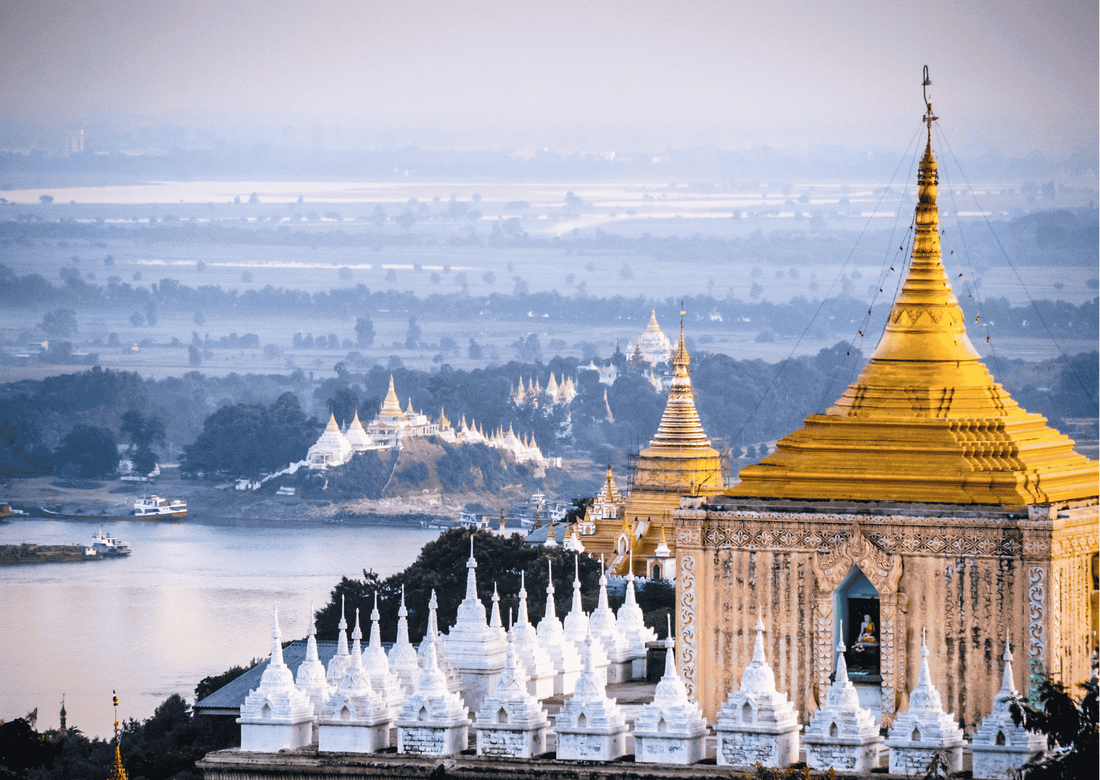 On my initial flight to Myanmar was I was feeling apprehension sink in, due to the stringent government oversight I'd heard about. Despite these concerns, my friends and I decided to explore the city for three days, which was a fascinating experience. What did I discover during my time there? When Myanmar Gained Independence Myanmar has many influences and conquerors from areas such as Mongolia, Tibet, and later the British East India Company, and, during World War II, the Japanese. The Bamar people migrated into the famous Irrawaddy valley, bringing the Burmese language, culture and religion- now known as Buddhism, which gradually spread across the region. The country gained independence on 4th January 1948. Then, in 1989, the military government officially changed the colonial period English name of Burma, only to become Myanmar or Republic of the Union of Myanmar. The renaming remains a flashpoint issue. Those who were born in the country associate themselves with the demonym of ‘Burmese’. Finding Light Heartedness and Tolerance Do the people of Myanmar reflect the government's aggressive rule? Conversely, the people are relaxed and calm. H. Fielding Hall author of ‘The Soul of a People’ says ‘of all the lovable qualities of the Burmese – and they are many - there are none greater than these - their light heartedness and their tolerance’. Etiquette of the Burmese People They show outward care and kindness and are especially mindful of others and their lives, display modesty, and use the well-known Asiatic communication medium of ‘saving face’ as the Chinese. Another cultural interaction is ‘ahnarde’, which the burmalibrary.org states “conveys the idea of not having the heart or strength to do or say something that might impinge on the feelings of others.” Ahnarde permeates throughout etiquette interactions such as these: 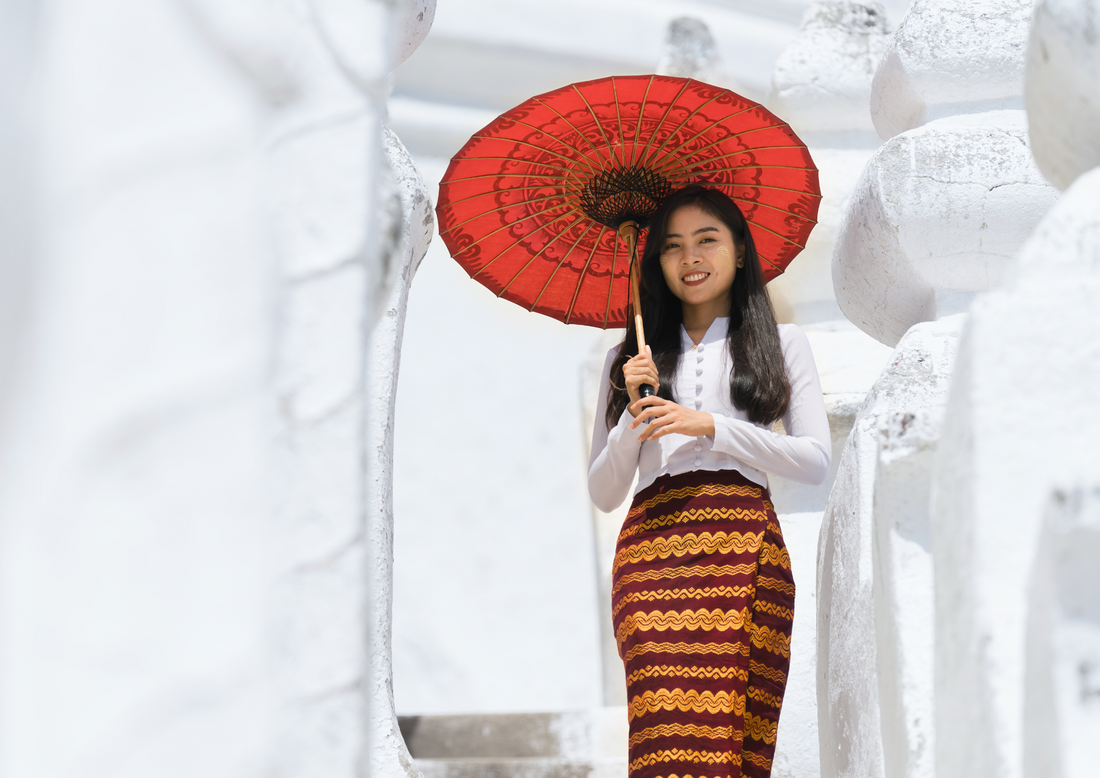
Myanmar’s Ethnic Dimensions Walking around Yangon I felt that I was surrounded by many ethic cultures and those from different countries. The array of traditional clothing worn by the people reflected the many ethnicities and nationalities present. The country is bordered by India to the west, Bangladesh to the southwest, China to the northeast, Laos and Thailand to the east and southeast. Myanmar is home to government-recognized 135 indigenous ethnic groups. The largest groups are Bamar, followed by Shan, Karen, Rakhine, Mon, Kachin, and Kayah peoples. One needs to respect individual preferences when referring to people from ethnic minorities. Many may not identify as ‘Burmese,’ preferring to use their specific ethnic identity, such as Karen, Chin, or Rohingya. The Karen people, in particular, may object to being called Burmese. The military-led government's repressive policies and ethnic conflicts have created a climate of self-censorship, particularly regarding sensitive political topics. Citizens often fear reprisals and hesitate to openly discuss controversial issues related to Myanmar due to concerns for their families and friends. Would I go back to Myanmar? My answer is, “Yes.” Despite the challenges, Myanmar's allure is undeniable. The untapped potential for exploration, the warmth of the people, the delicious cuisine, and the depth of its history have solidified my desire to make a return visit a must. Article Published By: Etiquipedia.blogspot.com |
AuthorElizabeth Soos Archives
July 2026
Categories
|
 RSS Feed
