
 Jacques-Yves Cousteau was a French author, filmmaker, naval officer, and oceanographer. In conjunction with other inventors, he created the open-circuit Aqua-Lung. What does this have to do with networking? Cousteau created opportunities for himself by building a network of collaborators, innovators, and enthusiasts who shared his vision, much like in modern networking, where strong connections lead to collaborative success and shared advancements. De Klerk and Kroon, authors of ‘Business Networking Relationships For Business Success’, printed in the South African Journal of Business Management, stated that managers should actively measure the value of networking in their business transactions to identify benefits like increased profits, access to resources, and market opportunities. Building trust and reciprocity among equal partners is essential for successful networking. This blog post will explore strategies for effective networking, common pitfalls to avoid, and ways to leverage your network for long-term success. How Business Networking Works Build Your Network: The foundation of successful networking lies in building authentic relationships. Focus on getting to know people beyond their job titles—learn about their interests, challenges, and goals. This will allow you to build deeper, more meaningful relationships that can last over time. Offer Value First: When networking, aim to offer value before asking for anything in return. Whether it’s sharing a useful resource, providing an introduction, or offering advice, giving first builds trust and goodwill. Be Strategic: Identify the key individuals and groups that align with your business goals. Attend industry-specific events, join professional associations, and engage in online communities where you can meet people relevant to your field. Quality is more important than quantity  Business Networking Examples
Utilise LinkedIn Effectively: LinkedIn remains the go-to platform for professional networking. Ensure your profile is up-to-date, reflects your professional brand, and includes keywords relevant to your industry. Share insightful content, and engage with posts from others in your network. This will increase your visibility and help you connect with like-minded professionals. Ensure that your online presence accurately reflects your professional brand. Attend Virtual Events and In-Person Events: With the rise of remote work and virtual events, geographic barriers to networking have diminished. Take advantage of webinars, online conferences, and virtual meetups to connect with professionals from around the world. In-person events, you'll find opportunities to stand up and present your business, either through a brief introduction or a more detailed PowerPoint presentation. Pro Tips for Networking Avoid Being Transactional: Networking is not about immediately seeking what you can get from others. Avoid being too transactional people can sense when you’re only interested in what they can offer you. Focus on building relationships first, and the opportunities will naturally follow. Don’t Overcommit: It can be tempting to say yes to every networking event or connection request, but overcommitting can lead to burnout and shallow relationships. Be selective about the events you attend and the connections you pursue. Quality over quantity is key to effective networking. To Summarise In conclusion, much like Jacques-Yves Cousteau, who built a network of collaborators to pioneer ground breaking inventions like the Aqua-Lung, modern professionals and businesses thrive through effective networking. You will want to build relationships that can unlock new opportunities, resources, and partnerships that drive success. As research suggests, actively measuring and leveraging the value of networking is key to achieving long-term growth and profitability in today's competitive landscape.
0 Comments
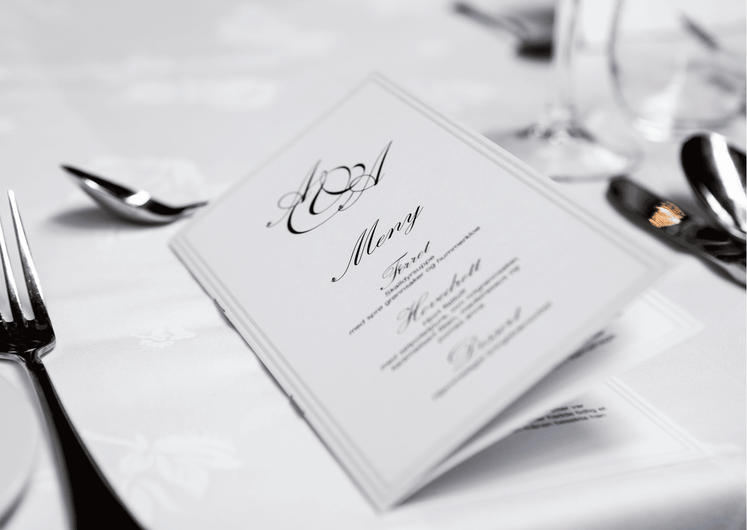 How did we get here to have three to four courses at restaurants? What has history shown us about having a multi-course menu? Wikipedia reveals “ the word "menu", like much of the terminology of cuisine, is French in origin. It ultimately derives from Latin "minutus", something made small; in French, it came to be applied to a detailed list or résumé of any kind.” Why Is It Called a Menu It also shows that the first recorded menus date back to the Song dynasty in China and that King Louis XV of France provided the surviving menus of meals at the Château de Choisy in 1751. With the establishment of hotels from the late 18th to early 19th century, notable characters such as César Ritz, an early hotel chain founder known as "King of Hoteliers and Hotelier to Kings", and Georges Escoffier a French chef, restaurateur revolutionised the hotel's menu - table d'hôte where they charged guests a fixed price for food and beverages. Maura Graber states from the world's only etiquette website, Etiquipedia: "Splitting courses into different categories allowed chefs and kitchen staff to serve things more efficiently. Having little breaks in between different foods allowed them to work in smaller kitchens. Not everyone had the staff or the vast cooking areas in Hampton Court.” She goes on to say, “One of the reasons that historians think sorbets or ices were served in between the entree and main courses originally was because most businesses in the late 18th century and early 19th century did not have enough forks for a second course which required a knife and a fork. So, the waiters would remove the plates with the utensils, serve something which only required a spoon, and then they went back to clean the knives and forks to bring back out with the next course.” Here is what to expect on a menu:
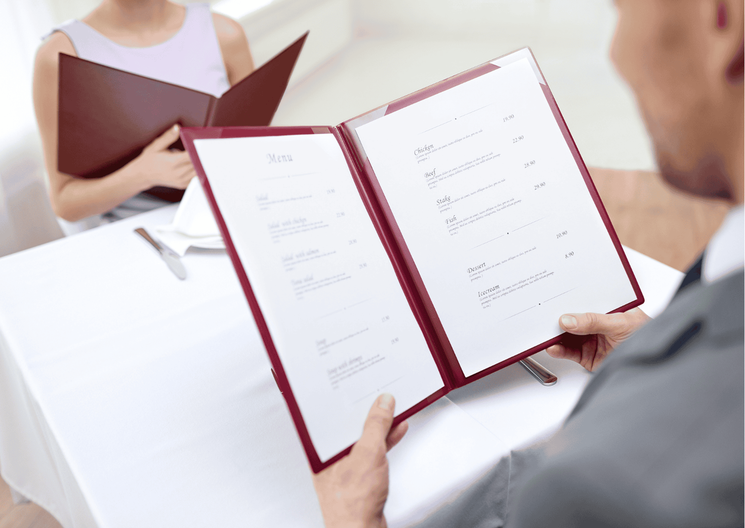 Restaurant Terminology
Here are some common terms used in restaurants referring to the menu:
As I have found, the evolution of multi-course meals in restaurants reflects a blend of historical influences, from the menu's origins in ancient China and refinement in France to practical innovations in serving efficiency and resource management during the 18th and 19th centuries. This progression was shaped by the need for detailed meal planning, efficient kitchen operations, and the creative solutions of pioneering hoteliers and chefs, ultimately leading to the structured dining experiences we enjoy today.  Your face is a canvas that tells thousands of stories without uttering words. Facial expressions and eye contact are two of the most powerful tools in non-verbal communication. One of my favourite examples is Lucille Ball, the comedy queen and legendary actress. Her unique and unmistakable mastery of these skills made her a beloved television icon. It provided valuable lessons on how we, too, can harness this powerful tool to enhance our communication and connect with others on a deeper level. Lucille Ball, best known for her role in I Love Lucy, was key to her comedic brilliance because of her ability to convey a wide range of emotions—from joy to confusion to exasperation. Her ability to transform her face from joy to surprise to outrage in seconds was unmatched. This ability to use facial expressions effectively allowed her to communicate complex emotions and reactions in a way that words alone could not. Tips for Enhancing Your Facial Expressions and Eye Contact

Practice Exercise
In Review Facial expressions and eye contact are essential elements of nonverbal communication that can greatly enhance the effectiveness of interactions. Lucille Ball’s iconic performances demonstrate the immense power these tools hold when used skilfully. Just like Lucille Ball, we all have the potential to be captivating communicators. By honing our facial expressions and eye contact skills, we can unlock a world of possibilities. Remember, your face is a powerful tool; use it wisely to connect, inspire, and leave a lasting impression. So, let your face shine and watch as it transforms your interactions.  Imagine this: The figurehead of China is extended a grand invitation by the leader of the United Kingdom, setting the stage for a grand diplomatic event. Over a year of meticulous planning ensues, orchestrated with precision, from the careful selection of dignitaries to the crafting of an exquisite menu. Every detail is scrutinised, down to the most delicate arrangements, as the banquet tables themselves require nearly five days of tireless effort. This is the actual case of when the former Queen Elizabeth invited President Xi Jinping in October 2015. On royal.uk.com it states, “preparations for a State Banquet begin well over a year in advance, but the final build of the State Banquet table starts around five days ahead of the arrival of the visiting Head of State…. every element of the State Banquet is inspected, checked and approved by The Queen, right down to every last detail.” Elevating The Dining Experience Now, we will never have to prepare for a state banquet, thank goodness! However, from time to time, we will put on a formal event, and knowing what to and how to do it is the key to keeping the pressure down and enjoying hosting. Setting the table is more than just a practical task; it's an art form that elevates the dining experience. A beautifully set table creates an inviting atmosphere, signalling thoughtfulness and care for your guests. It transforms mealtime into a special occasion, enhancing the enjoyment of food and conversation. Whether a casual family dinner or a formal gathering, a well-appointed table sets the tone for a memorable experience. Here is a simple step-by-step guide to help you create a perfect table setting:  The Table
Silverware
Glassware
Plateware
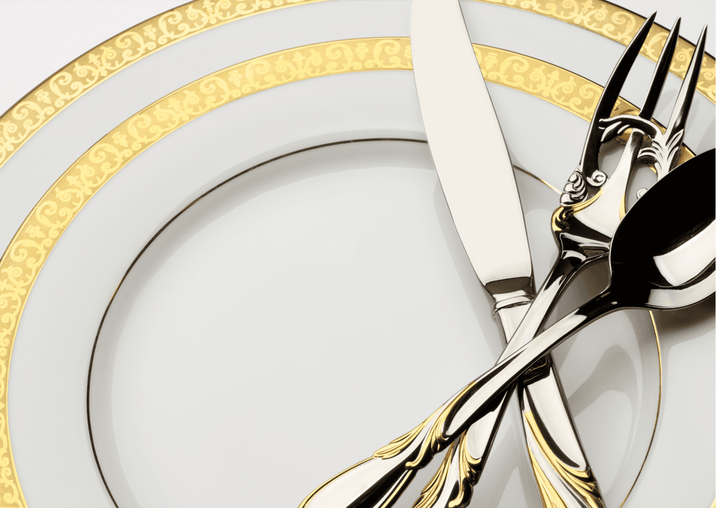
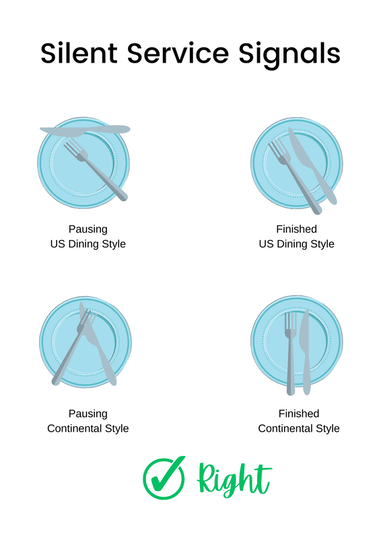
Remember Creating a welcoming and inviting atmosphere for your guests starts with a beautifully set table. While formal place settings can be intimidating, informal settings are much more relaxed and allow for greater creativity. The key to a successful table setting is to consider the type of meal you're serving and the overall atmosphere you want to create. The Language Of Cutlery, The Signs And The Rules – What Is The Proper Etiquette For Cutlery4/10/2024  The internet is full of well-meaning but inaccurate information, and infographics about "plate language" are a prime example. Here's a breakdown of the truth behind these myths and some genuine restaurant etiquette tips: Myth Busters
Please note that no restaurant on this earth has ever taught their staff the above 'plate language', and in my lifetime of eating at restaurants, have I ever seen a business associate, friend or family do this either? 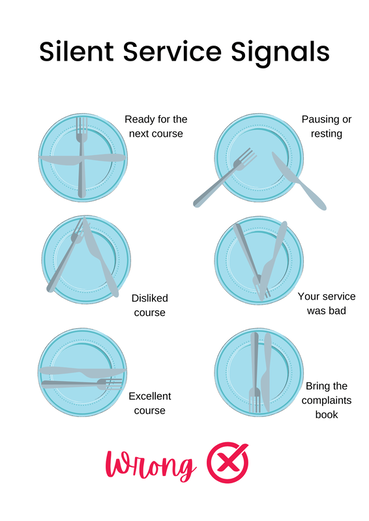 Genuine Restaurant Etiquette Tips
 Conclusion
By following these simple tips, you can ensure a smooth and enjoyable dining experience for yourself and those around you. Remember, etiquette is about being respectful and courteous, not about following a rigid set of rules. Bonus Tip Be mindful of your phone use at the table. Consider putting it away so you can fully engage in conversation and appreciate the company you're with. |
AuthorElizabeth Soos Archives
July 2026
Categories
|
 RSS Feed
