
 I grew up with my nose buried in Enid Blyton's Famous Five and Secret Seven, and later devoured every page of Carolyn Keene's Nancy Drew mysteries. Those stories ignited my passion for solving mysteries and unravelling intrigue. As a teenager, my imagination was set ablaze by the cinematic magic of Indiana Jones and the Raiders of the Lost Ark—a whirlwind of treasure-hunting adventures spanning South America to the Middle East. So, when the opportunity to visit Peru arose, I didn’t just say yes—I was all in. The Backstory of Peru Archaeologists have discovered that Peru’s rich history spans thousands of years over 15,000 years, beginning with the ancient Norte Chico civilization to the Moche, Nazca, and Chavín, then to the Inca Empire in the 15th century. The Spanish conquest in 1532, led by Francisco Pizarro, toppling and plundering the Incas, led to the colonization of the region and a fusion of Spanish and indigenous cultures. Peru gained independence in 1821, driven by revolutionary leaders like José de San Martín and Simón Bolívar. Today, it reflects a mixture of ancient sites, colonial architecture, diverse cultures and many languages. What Not To Say or Do with Peruvians When interacting with Peruvians, it's important to be mindful of certain cultural sensitivities, such as:
 Social and Greeting Etiquette
Peruvians place great importance on introductions and greetings. Common greeting phrases include “buenos días” -good morning, “buenas tardes” - good afternoon and “buenas noches” for good evening. The greeting is done by a firm handshake and eye contact, while professionals are addressed by their titles, especially in formal settings or when meeting someone for the first time. This is a way to acknowledge and welcome individuals into a home or business. Among friends and family, the “abrazo” or embrace, is common, consisting of a handshake and hug between men or a hug and kiss on the right cheek between women. Men often add a pat on the back when greeting close friends or family. Addressing people is also culturally significant. Friends often use first names or nicknames. Older individuals are typically addressed as “Señor” or “Señora” followed by their surname, or more informally as “Don” or “Doña” with their first name. Explore Peruvian Dining Etiquette The traditional cuisine of Peru is deeply embedded in the nation's cultural and culinary heritage. Iconic dishes include ceviche, and fresh raw fish marinated in lime juice and served with sweet potatoes and corn, which are best eaten fresh with a fork to combine the flavours. Popular street foods like anticuchos (grilled beef heart skewers) are eaten straight off the stick with lime and spicy sauce, while hearty Andean dishes like pachamanca are earth-cooked meals of marinated meats and vegetables, enjoyed family-style, and fingers can be used to eat this amazing meal. Peruvians enjoy a variety of meats that may be considered exotic elsewhere, which I did try whilst travelling through Peru. Cuy (guinea pig), a traditional Andean delicacy, are often roasted or fried and has a tender, gamey flavour, which I really enjoyed. Alpaca and llama meat, both lean and protein-rich, are common in the Andes, with alpaca offering a mild, slightly sweet taste and llama resembling lamb or venison. I found the meat to be quite fatty, which makes sense given that these animals spend much of their time in cold environments, requiring extra fat for insulation. Reflecting on my journey through Peru, I couldn’t help but feel like I was channelling Indiana Jones himself. As Indy once said, “It's not the years, honey, it's the mileage,” and my time in Peru added miles of unforgettable experiences to my life’s map. Peru’s treasures—its culture, cuisine, and people—proved to be as priceless as any artifact Indy might have sought. It was an adventure that deepened my appreciation for this remarkable country. Article Published By: Etiquipedia.blogspot.com
0 Comments
Have you ever tried on a shirt and instantly looked more refreshed, radiant, even younger? Or, by contrast, have you worn a colour that made you look tired or dull? That’s not just in your head, it’s the magic of colour analysis at work. 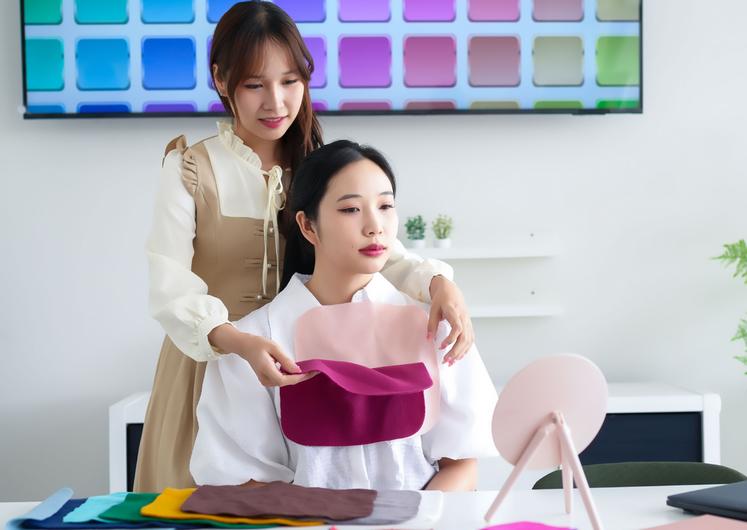 What Is Colour Analysis? Colour analysis is the practice of determining which shades of colour harmonise best with your natural colouring—your skin tone, hair colour, and eye colour. The goal? To help you wear colours that make you look and feel your absolute best. Rather than chasing trends or copying others, colour analysis teaches you to choose clothing, makeup, and accessories based on you. It’s about self-awareness, not fashion rules. A Brief History: From Haute Couture to the High Street Colour analysis has its roots in the 1920s, when Swiss artist Johannes Itten, a teacher at the Bauhaus art school, noticed that his students gravitated toward painting with colours that suited their natural colouring. His colour theory—dividing hues into warm and cool families—laid the groundwork for later systems. In the 1980s, Carole Jackson’s bestselling book Color Me Beautiful popularised the seasonal system. She introduced the idea that people could be categorised into one of four colour seasons: Spring, Summer, Autumn, or Winter, each with a distinct palette of flattering colours. It was a revelation for many and sparked a worldwide movement. Since then, colour analysis has evolved into more nuanced methods, such as 12-season or even 16-season systems, which account for variations in warmth, depth, and clarity. 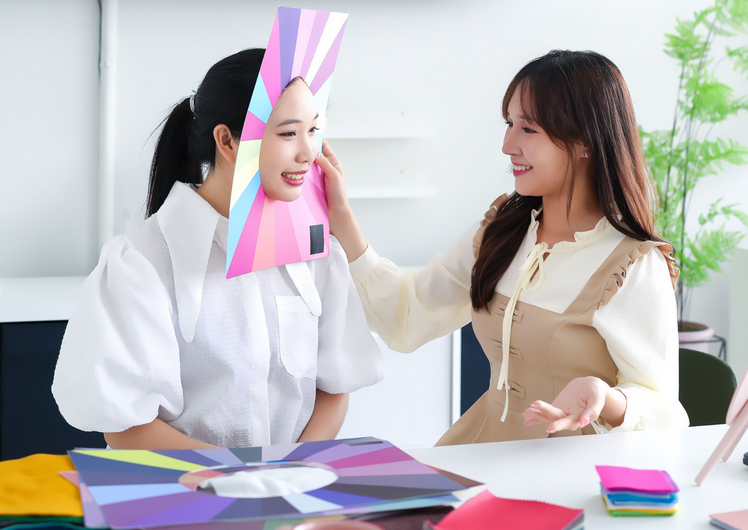 What Can Colour Analysis Do for You? Understanding your palette can do more than just improve your wardrobe. It can:
Beyond Beauty A Personal Growth Tool: Colour analysis isn’t just about aesthetics. It’s a powerful tool for self-discovery and self-expression. It invites you to slow down and observe yourself, your skin’s undertones, the flecks in your eyes, the natural highlights in your hair.  Final Thought
It’s About Harmony. Colour analysis is not meant to limit or box you in. It’s about freedom through understanding—giving you the knowledge to make choices that amplify your natural beauty and reflect your true self. Whether you're stepping into a job interview, attending a special event, or simply dressing for a regular day, the right colours can help you walk into the room with quiet confidence.  Course Overview:
Join us for a unique opportunity to enhance your etiquette knowledge and have your questions answered. Author, teacher and etiquette historian, Maura J. Graber will be joining Elizabeth Soós of Auersmont Etiquette for an online seminar in which they plan to enlighten, educate and entertain with the true reasons our dining etiquette rules exist, the history of the rules and the backstories behind them. Course Contents: This 2 hour course is designed for individuals of all backgrounds and professions, especially those in the field of etiquette! Attendees to this online seminar will discover how increasing one’s knowledge of etiquette can assist in making one more prosperous in business and social endeavours. We live in a world of many “Whys.” Why not join in the discussion? Questions Which Need Answers: Please submit any questions you have about dining etiquette, as the course will be tailored to address them. All questions must be submitted by April 15, 2025, via this link: Google Forms: https://forms.gle/DXbMfA3LFvsc... Here are two examples of questions:
Course Curriculum: Introduction 'Where Etiquette Meets History' Module 01: Understanding the Differences Between Etiquette & Manners Module 02: Popular Etiquette Myths and Troubling Trends Module 03: Understanding Table Ware Module 04: Navigation of a Multi Course Meal, the Place Setting & Utensils Conclusion: Concluding Remarks and Question Period with Participants We extend a formal invitation to participate in our online group course, designed to enhance your dining etiquette proficiency. This program offers a structured learning environment to cultivate essential dining skills in various dining settings > Join us today! 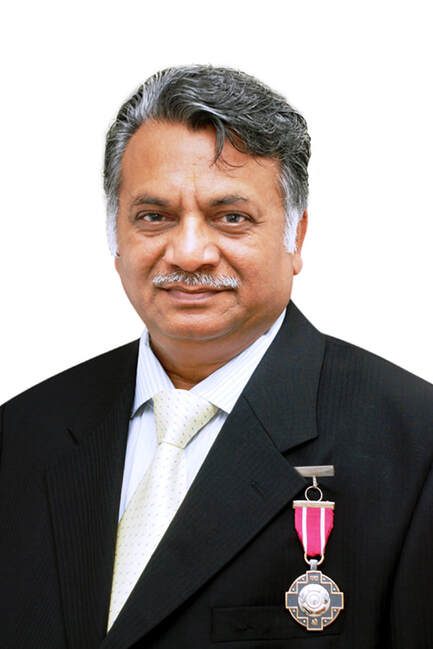 Through a dear friend, I was introduced to an extraordinary figure in Indian society, Dr. Ashok Gupta. From humble beginnings in a village in inner India, Dr. Gupta has risen to become a celebrated and decorated plastic surgeon. He selflessly volunteers his time and resources to help the underprivileged, including survivors of wars, terrorist attacks, major accidents, to those with birth defects, as well as Bollywood stars and Hindi TV serial personalities. His contributions have been recognised by numerous governments, Gulf royalty, and international film festivals. Dr. Ashok Gupta began his career at Government Medical College in Nagpur, moved on to Grant Medical College in Mumbai, and then advanced his training in the United Kingdom at The Royal College of Surgeons, in Scotland. I wanted to interview this prestigious plastic surgeon to gain insights from his 50 years of service, learn about his views on business etiquette and protocols, and gather tips he could offer to aspiring professionals. 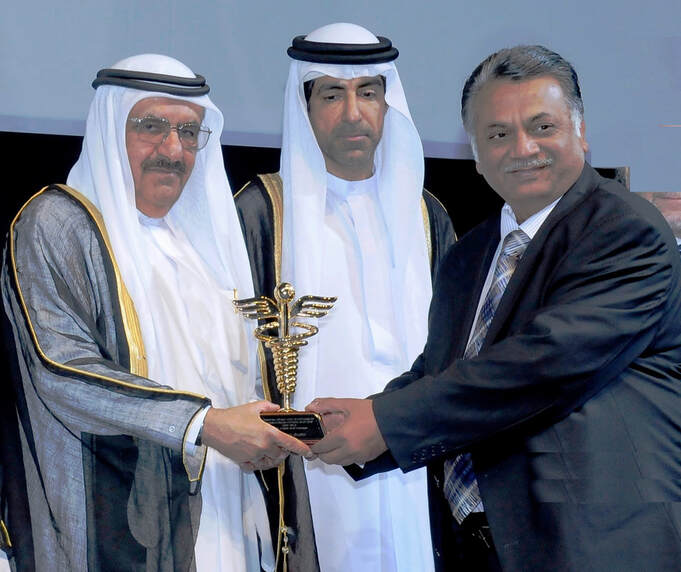 Governmental and Royal Protocol Before becoming the recipient of “Sheikh Hamdan International Award” in 2010, or meeting Gulf royalty in completely different circumstances, the royal protocol officer was asked to provide invaluable information in how one should conduct oneself. According to Dr. Gupta, when meeting Gulf royalty, one should “reflect respect for their culture, traditions, and customs.” One should also show appreciation for an “occasion's significance and highlight one's understanding of royal etiquette.” I would have to agree. Understanding and adhering to royal protocols not only demonstrates respect but also highlights one’s maturity and cultural sensitivity. Here are some points of protocol training that Dr Gupta learned and passed on to me in our talk: Clothing and Grooming
Cultural Etiquette
Addressing The Royal Family Depending on which King, Shaikh, Amir, Sultan or Crown Prince you may meet or write to, always seek the direction of the royal protocol office. There you will receive the correct way to address and correspond with the Royal Family. For instance, you may receive information such as the following when verbally addressing a Crown Prince from Saudia Arabia, Jordon or Morocco:
The takeaway here is undeniable: Dr. Gupta’s adherence to these protocols and his reflections on their importance, serve as a guide for anyone seeking to engage respectfully and appropriately with any royalty. His experience underscores the value of cultural etiquette in building respectful and meaningful connections across different societies, which he still maintains today. 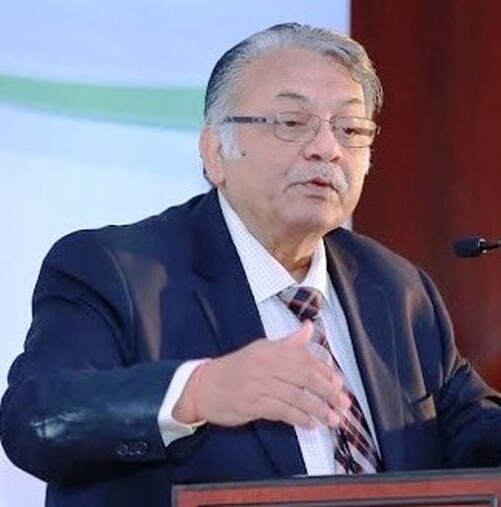 Succeeding in a Business Environment He recalled an experience during his time at the surgeon's college when a lecturer observed him carefully cleaning a wound, suturing it precisely, and neatly dressing it. The lecturer told him he had an aptitude as a surgeon and encouraged him to continue. Dr. Gupta used this feedback as a building block for how he would provide care to all his patients. This approach is two-fold: first, when performing work, he ensures it is done well and with patience; second, he recognises that the patient has entrusted him with their care in which he is thankful for their trust. The takeaway here is important: Whether working for yourself or someone else, approach your work with zeal, passion, and a commitment to excellence. Strive to give over 100% to your clients or customers, as their satisfaction and trust will be your most valuable endorsements—more impactful than any review on Google or Trustpilot. Here are Dr. Gupta's three key guidelines for succeeding in a business environment:
Dressing Professionally While speaking with Dr. Gupta, I noticed on two occasions that he was dressed professionally. During the interview, he wore doctor's scrubs with his name and practice embroidered in red. Why is this important? Trust and confidence. If you were looking for a plastic surgeon to perform life-altering work, would you trust someone wearing sneakers, a t-shirt, and jeans, or a surgeon in business attire or a medical uniform? I know which one I would choose. This brings to mind Dr. Gupta’s account of a young surgeon who was to be interviewed by a doctorate board in Mumbai. The young surgeon arrived in casual attire and was not allowed to enter the interview room because his choice of attire was deemed incorrect and unprofessional. He was subsequently told to reapply at a later date. Dr. Gupta, who practiced in Bahrain for some time, shared an anecdote about one of his patients, an American woman. During their consultation, she remarked on the importance of a woman’s and man's presentation, specifically mentioning the condition of his shoes. What did she mean? She was emphasising the significance of the little details in a man's overall presentation. Both men and women notice non-verbal cues such as body language, dress, and grooming. Ensuring small details, like removing dust from shoes and keeping the back of the shoes clean, matters. Should we worry about the back of our shoes and clothing? The answer is, “Yes!” Here are Dr. Gupta's three important pointers in dressing professionally:
The takeaway here is clear: The way you present yourself, including professional attire and attention to small details, significantly impacts trust and confidence in your abilities. Whether in an interview or a consultation, demonstrating professionalism through your appearance is crucial for making a positive impression. 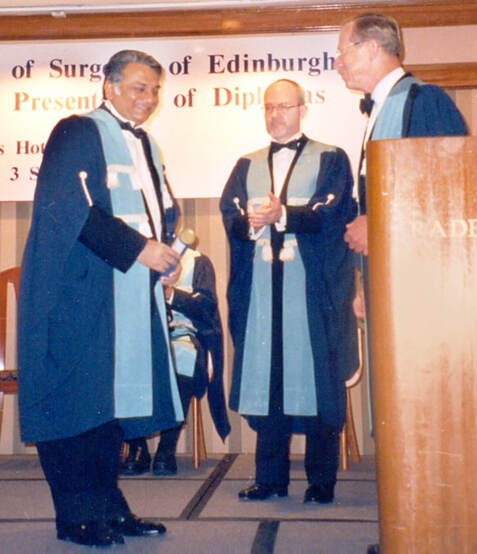 Cross-Cultural Communication
Whilst speaking with and interviewing Dr. Gupta, I noticed several things about his demeanour. His delivery is caring, methodical, and purposeful. He is always ready to explain the answers to any questions you may have, without making you feel ignorant for asking, which inspired ease and made me feel instantly relaxed in his presence. And he smiled! However, this was not always the case. Let me explain. Fresh out of India and practicing in the United Kingdom under the guidance of his college, Dr. Gupta encountered a 15-16-year-old female patient seeking plastic surgery on her nose. One of the standard questions is, "What medication are you currently taking?" To his shock, she mentioned she was taking contraceptive pills. The observing lecturer took him aside and stated kindly yet firmly that he needed to understand the cultural system of the country. This became the foundation for his doctor-patient behaviour, emphasising the importance of building effective communication strategies and learning about cultural etiquette. The takeaway here is paramount and two-fold: Effective communication and cultural awareness are essential for building trust and confidence in any doctor-patient relationship. Dr. Gupta’s experience highlights the importance of understanding cultural contexts and honing interpersonal skills to provide compassionate and competent care. Here are Dr. Gupta's four important pointers in cultural communication:
Giving Back to the Community After researching Dr. Ashok Gupta's website (https://drashokgupta.in/), I was impressed by his pro bono surgeries for war victims, Mumbai shooting survivors, acid attack victims, accident victims in remote areas, and more. During the interview, I asked him why he dedicated time to these cases when he could focus on building a thriving practice. Dr. Gupta simply explained his motivation: "It's about giving back, generating goodwill, and expressing gratitude for the opportunity to use my skills." Here are some powerful examples of his impact: A child found in the Varanasi jungle with a severe animal bite, received surgeries from Dr. Gupta at ages 5, 10, 15, showcasing the long-term care provided. A truck accident victim, who required 40 hours of surgery, received his care with Dr. Gupta leading a team of 7 doctors. Dr. Gupta described losing track of time due to his intense focus, but the surgery's success allowed the man to marry and start a family. These stories exemplify the profound impact Dr. Gupta's work has on people's lives. What can we learn from this? Natures law on equal returns: Dr. Gupta's story highlights the power of pro bono work that professionals can leverage their skills to significantly improve lives and communities. Giving back generates personal fulfillment and strengthens the social fabric, as seen by Dr. Gupta's dedication and the positive outcomes for his patients. I hope that you enjoyed reading this, as much I enjoyed interviewing Dr Ashok Gupta. It was a privilege to meet such a talented individual who is not only passionate about his field but also dedicated to sharing his knowledge with aspiring professionals and recent graduates. His vast experience is truly remarkable! Published In: Etiquipedia.blogspot.com 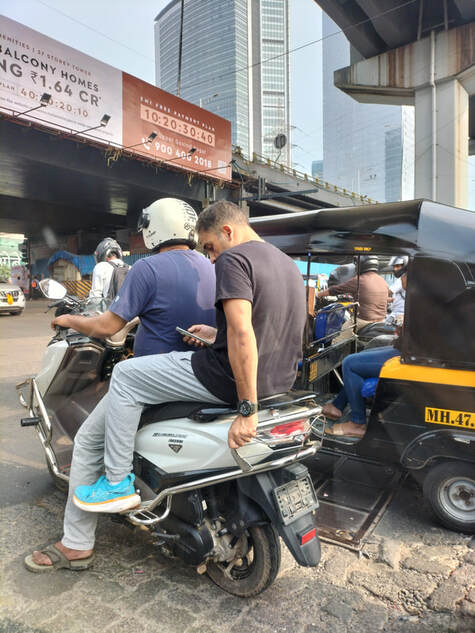 I have been in India for nearly a year, living in Mumbai. I travel regularly on the local trains about once or twice a month and on the metro train almost daily. One of the most remarkable sounds is the noise of a carriage packed with people after a long day of work, with everyone on their phones, mostly talking. It's hard to find words that truly capture the clacking of the train against the hum and volume of the Hindi conversations filling the air. When I first arrived, I was completely in awe. It seemed like every Indian I saw was doing something on their phone, at a noise level I had never heard publicly before. While Western societies, and most others the world over, have chosen to go down one path, Mumbai, and the rest of India from what I hear, have boldly gone down the other path. While etiquette professionals like myself expose the benefits of good mobile manner, who promote and embrace the motto, “silence is golden” when it comes to mobile use, all of India has proudly ventured forth and lived out loud online, without a thought to lowering the volume. The unusual etiquette caught this world traveling Australian by surprise. India is a very welcoming and hospitable country in nearly every respect. Their lives are often hectic and harried. Their mobile phone use while they commute is especially fascinating. They relish this “commute time” with their mobile phone’s internet access, even though they are packed like sardines in rail cars. YouTube is their site of choice when not texting or loudly chatting with friends and family on the phones. But wait, it’s not just on the trains. I’ve witnessed families who live on the streets, all gathered around, video-calling family on their phones, with a saucepan as a makeshift prop, all sitting on the ground. Or, a motorcyclist will often be seen with a phone tucked between his helmet and face speaking, making his mobile use ‘hands-free’ in order to focus on driving. But as committed as he is to his phone, I don’t feel that much safer. There’s almost never a moment when someone isn’t talking, texting, scrolling, or watching something on YouTube, Facebook, or WhatsApp. Mobile or cell phone manners in India are a complete reverse of what is acceptable in Western, and even most other Asian nations. There is no such thing as “phubbing” in India. By the way, if you're unfamiliar with the term "phubbing," Wikipedia defines it as 'the habit of snubbing a physically present person in favor of a mobile phone.' 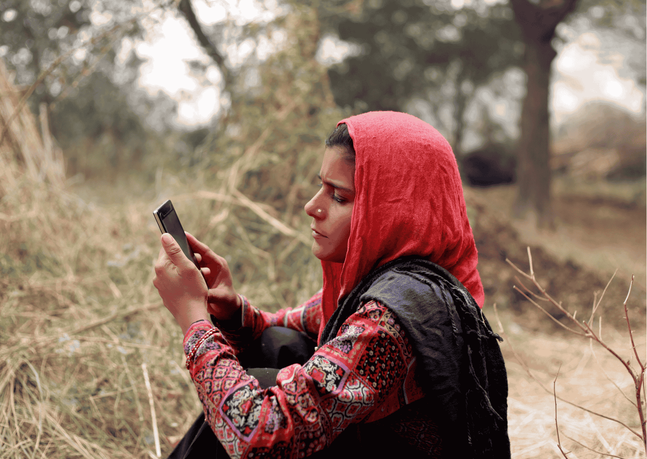 This got me thinking about the reasons behind this reverse of social acceptance of continually being connected with their mobile phones. Reflecting on Australian culture, we often talk when we’re in the mood to chat or have something important to say. I may have even have something I really need to ‘get off my chest.’ It’s a worldwide phenomenon just how much time one spends on their phones, compared to how Western societies lived just 30 years ago. Texting and DM’ing has certainly become our main communication mode, however. We usually keep our thoughts and opinions in written form, as opposed to speaking loudly on our phones in public. We notice it when someone breaks the expected etiquette around us. We prefer others to turn away or we will turn our backs in order to briefly chat on the phone in hushed tones. We will leave a room or even go outside, if we need to make or take a call. It has become the norm, nearly 40 years after Japanese mobile phone manufacturers added a “silence” button to their phones, literally setting the standard for other nations to follow. If someone is publicly venting his or frustrations or joking with friends in anything but a muffled or quieted voice, we get glares from those around us, along with the occasional a choice comment of the unwelcome kind. If we do make phone calls, they generally aren’t group activities like those I witness daily now, or overhear daily now, in Mumbai. They are usually solo calls. And we show a reverence and respect for those whose ears are around us. To better understand South Asian culture, I started listening more intently, and my ears became like the Arecibo reflective dish. I believe the following are the factors that have created this open dialogue on cell phones throughout India to such a volume: 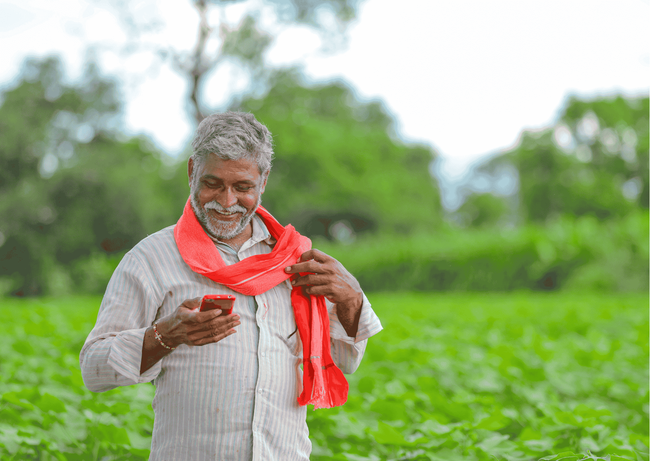 The South Asian Culture – This is known for its open and expressive nature. This is evident in the ease with which strangers can converse on the street, in public transport, or anywhere else. I've often witnessed people engaging in friendly chats simply to ask for directions, highlighting the culture's openness and approachability.
The South Asian Family Structure - The family plays a central role in the lives of most South Asians, often characterized by collectivism, patriarchy, and hierarchy. Loyalty and interdependence are highly valued, and younger members are often expected to conform to family decisions, including those related to education, marriage, or career. The concept of “saving face” is central to family dynamics, emphasizing the preservation of a positive reputation within the community. This collectivist mindset, combined with the power dynamics within families, can often extend to business environments. Managers and owners may adopt a similar approach, micro-managing staff and dictating their tasks, methods, and timelines. No Work-Life Balance – Work-life balance is a challenge in India. While the Western world is implementing four-day workweeks and mental health days, Indian businesses often require employees to work six days a week and be on-call, even after long hours. I've personally witnessed friends being called by colleagues or bosses after returning home from work. For many, the train journey home is a valuable time to connect with family and friends without needing in-person visits. A Curious Case of College Blues - I was astonished by the Indian public school education system, especially when considering non-private, government-funded schools. Let me elaborate. In Maharashtra, school hours typically run from 9a.m. to 2 p.m., but students often attend private tuition sessions. The school system itself doesn’t fully meet the educational needs of the students, so tutors step in to revise, review, and extend learning beyond school hours. You will see parents with their neatly uniformly dressed children, hand-in-hand, taking their child to-and-from tutors, until the evening, walking or in-cars talking on the mobile. They might be discussing plans or simply catching up on their mobile phones. Domestic Immigration - Mumbai and Delhi serve as major hubs for internal migration, drawing people from economically weaker states like Andhra Pradesh, Uttar Pradesh, Nepal, West Bengal, Tamil Nadu, and more. Many of these migrants live far from their families, relying heavily on phones to stay connected. But why the constant phone usage? From what I’ve gathered through conversations, these calls are about navigating life’s decisions. Whether it’s about personal choices, family matters, work, or friends, they’re all trying to make the best decisions while being away from home. Wherever you live in the world, be it Australia, Great Britain, Europe, Russia, or the Americas, it's indisputable that people all over have a strong affinity for their phones. In India, though, it is the group out activity nature of so many of the numerous mobile phone calls which is unique. This constant engagement can be attributed to the proliferation of social media platforms and mobile apps, which have provided countless opportunities for entertainment, education, and social interaction. The combination of technological advancements, affordability, cultural factors, and the allure of digital content has solidified phones as an indispensable part of Indian life. Published In: Etiquipedia.blogspot.com |
AuthorElizabeth Soos Archives
July 2026
Categories
|
 RSS Feed
