
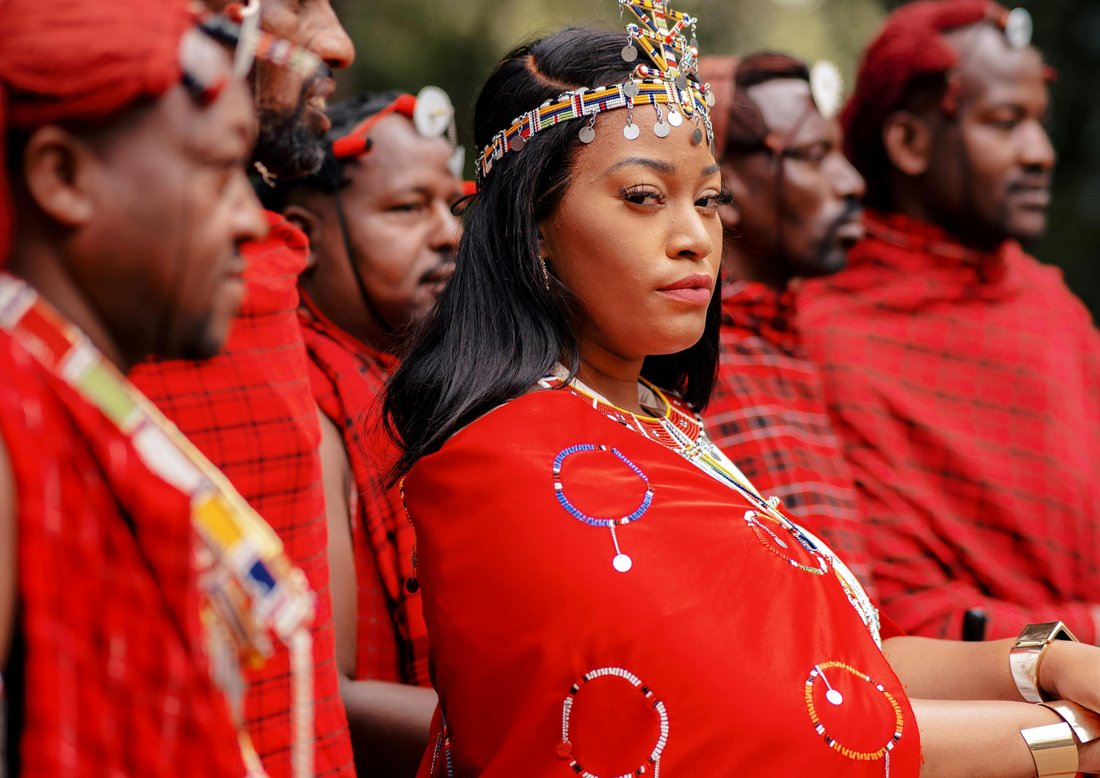
 Are you familiar with the 2006 movie The Devil Wears Prada? Early in the film, the character “Nigel” yells, “Gird your loins!” when he hears Miranda Priestly, editor of Runway magazine, is arriving early, sending the office into a frenzy. I really love that phrase “gird your loins!” because it means to prepare yourself mentally, emotionally and physically for what is to come. When I arrived in Nairobi, I had to “gird my loins” it was so busy, lots of beeping, lots of people, lots of things simultaneously happening. It was early in the morning, and the place was already buzzing. This set the tone for the rest of the trip. Kenya Cultural Expectations and Etiquette Kenya has a very rich history and demographics. Kenya is surrounded by Tanzania, Uganda, Sudan, Ethiopia and Somalia. It has had humans living there since the Paleolithic era and in the recent 500 years has had a mixture of Persian, Arab, Portuguese, Omani, and British rule, who brought Indians for the cultivation of plantations. Today, it has over 40 groups that speak their own languages and all have their own etiquette intricacies. Avoid speaking badly of either Kenya, its religions, food, education, or any of its ethnicities, as many are proud supporters and gatekeepers of these points of life and living. Greetings are essential in Kenya, so as not to offend. If you don’t greet and you want to build trust personally and in business, you most likely will be seen as aloof. Generally, it will be man-to-man and woman-to-woman. In a room full of people, you will have to take your time and greet each person personally. Respecting the elderly and greeting them when invited to a local house is essential. Those greeting the elderly need to stand up when greeting them and use both hands in the handshake, or gently hold your forearm (shaking arm) while shaking with the other person. Greetings help to avoid hugging and kissing on the cheeks when you don’t know the person. The most common spoken language in Kenya is Swahili, but most business language will be English. Many Kenyans will appreciate the work you do in trying to speak their country's language. Here are a few Swahili greetings to get you started: Jambo or Hujambo: Hello. In response say: Sijambo - I am fine Missouri -fine or ‘missouri sana - very well Habari?: How are you? Mambo?: What's up? or How are things? Shikamoo: Respectful greeting for elders or authority figures. In response say: Marahaba Asante: Thank you Karibu: Welcome If you want to win points, use this: Habari ya familia yako?: What is the news of your family? Bwana: Sir or Mr Bi: Madam or Mrs Mzee : Older or elderly man Mama: Mother or elderly woman Baba: Father or older man Dada: Sister or young female Kaka: Brother or young man 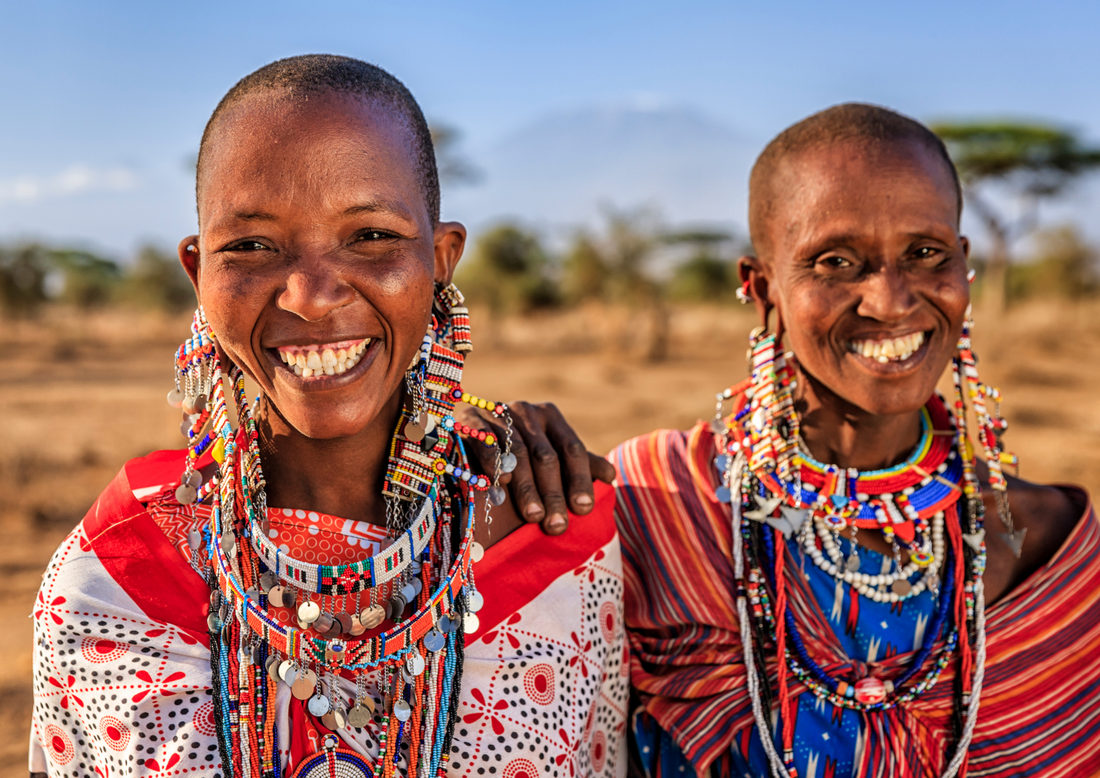 Dining Food and Etiquette in Kenya
Kenya is a major exporter of tea, and no doubt you would have drunk Kenyan tea from brands such as Lipton, PG Tips, Twinings, Yorkshire Tea, or Tetley. When you visit a person’s house, you will be served tea in the same manner as in India, by boiling it with milk and sugar. Spices such as cinnamon, cardamom, or ginger may be added and the tea will be served with foods such as bread, samosas or mandazi – fried bread. When invited to a local’s house, don’t be surprised if the Kenyan guests arrive 30-40 minutes late, as time is flexible. Common gifts to bring to the hosts are flowers and tea or something special from the country you are from. Family and food are important to Kenyans. So, complimenting the cook and taking care not to waste any food is essential. Passing and eating from both hands is correct never just pass with just the left hand. Children and adults may eat separately and at times men and elderly may be served first before women in attendance. Each family will have its own ways of eating, according to tribal customs or modernizations. Traveling Through Kenya and Safari Parks It is essential to your safety to listen carefully to park rangers when visiting Safari Parks. I remember staying overnight at one Safari Park. We all slept in tents, sharing a toilet with other tourists. We were warned not to go wandering at night as there were leopards and lions on the prowl. I promptly zipped up my tent with my friend inside and never came out till the morning. All park rangers carry guns to protect everyone from these sorts of attacks. Always treat those who are locals, such as the Maasai people, with dignity and respect. They earn their living today from tourists and remember they are allowing us into their lives and land. Article Published In: Etiquipedia.blogspot.com
0 Comments
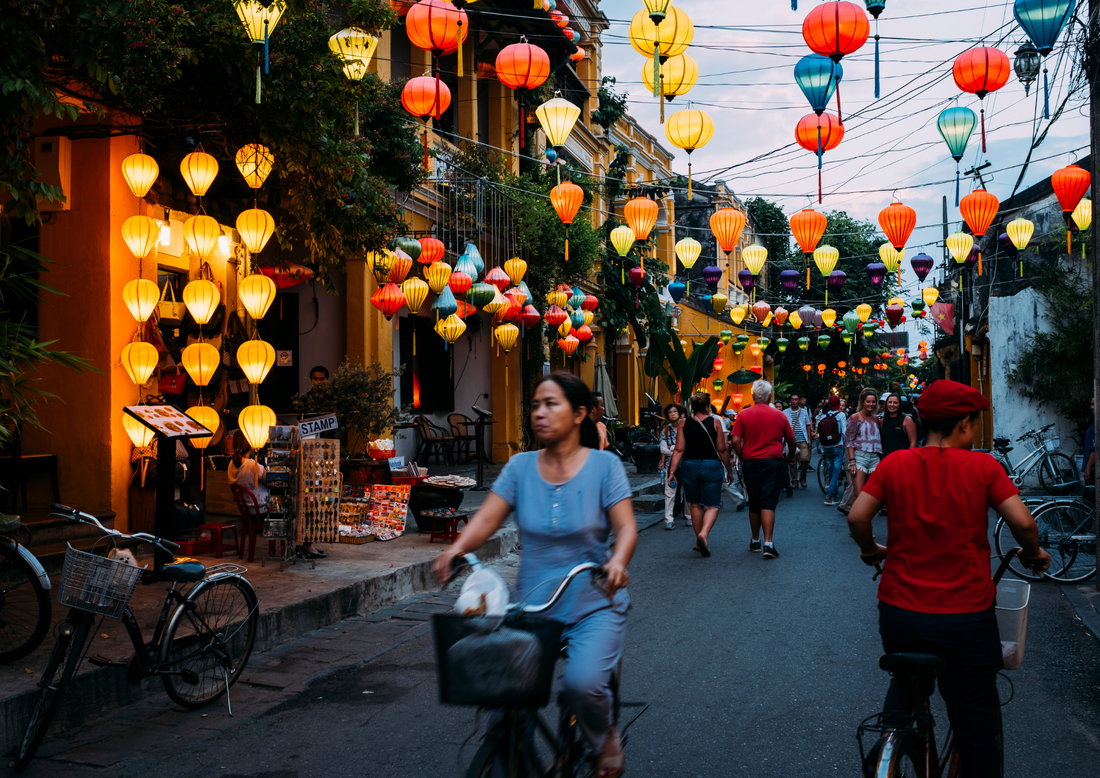 My introduction to Vietnam and the Vietnamese people began in my early teenage years. In Melbourne, two suburbs recreated a shopping scene reminiscent of the energy and bustle of Ho Chi Minh City. These areas were alive with daily commerce, storefronts filled with colour, and restaurants serving traditional foods. Since the Vietnam War, the influx of Vietnamese into Australia has existed for over 40 or more years. I loved frequently shopping and eating in Little Vietnam in Melbourne and Sydney, absorbing its food and people culture. Eventually, I had the pleasure of traveling to Vietnam, starting from the north and making my way to the south. Here is what I learnt. What You Will See in Vietnam As you walk through streets, laneways, and peer through gated houses and step into businesses, you will see mirrors above front doors, below by the door's side, red coloured alters or you might see fresh fruit or fake money, which are symbolic offerings to dead ancestors that will be later burned. Traditionally, the Vietnamese are superstitious, and you will see each morning many attend altars dedicated to appeasing the gods, and families of long ago, deflecting the devil and bad spirits, praying to bring ‘good luck’ into their lives and their family’s lives. Other items of a religious nature that you need to understand are that there are lucky and unlucky numbers and colours, as well as pregnancy taboos that the Vietnamese take very seriously. Be mindful of not stepping over or on an altar that lies on the ground or touching items such as incense sticks that don’t belong to you. When entering religious places, follow the directions of the gatekeepers, such as taking your shoes off, wearing appropriate clothing, taking your hat off your head and using silence when watching those worshiping. ‘Khiêm’ Vietnamese for Polite Etiquette In Vietnamese, ‘khiêm’ means humble or modest behaviour. Be mindful that Vietnamese etiquette does not automatically translate into Western etiquette, nor are they similar. Westerners are taught that using polite language, such as ‘thank you’ or ‘you’re welcome’, is used when showing respect however, in Vietnamese this may translate to arrogance and is deemed unnecessary. So, don’t be surprised when ‘I’m sorry’ may not be used. Learn Greetings to Use While Travelling The Vietnamese language is a complicated one as it’s a tonal language and a tone mispronounced could confuse locals as to understanding you however, using a few Vietnamese words might open doors. Below you will see that greetings are different for those who are elderly, young, or close to your age. Vietnamese people are deeply rooted hierarchical society based on seniority and age.
 Eat Like a Native Vietnamese
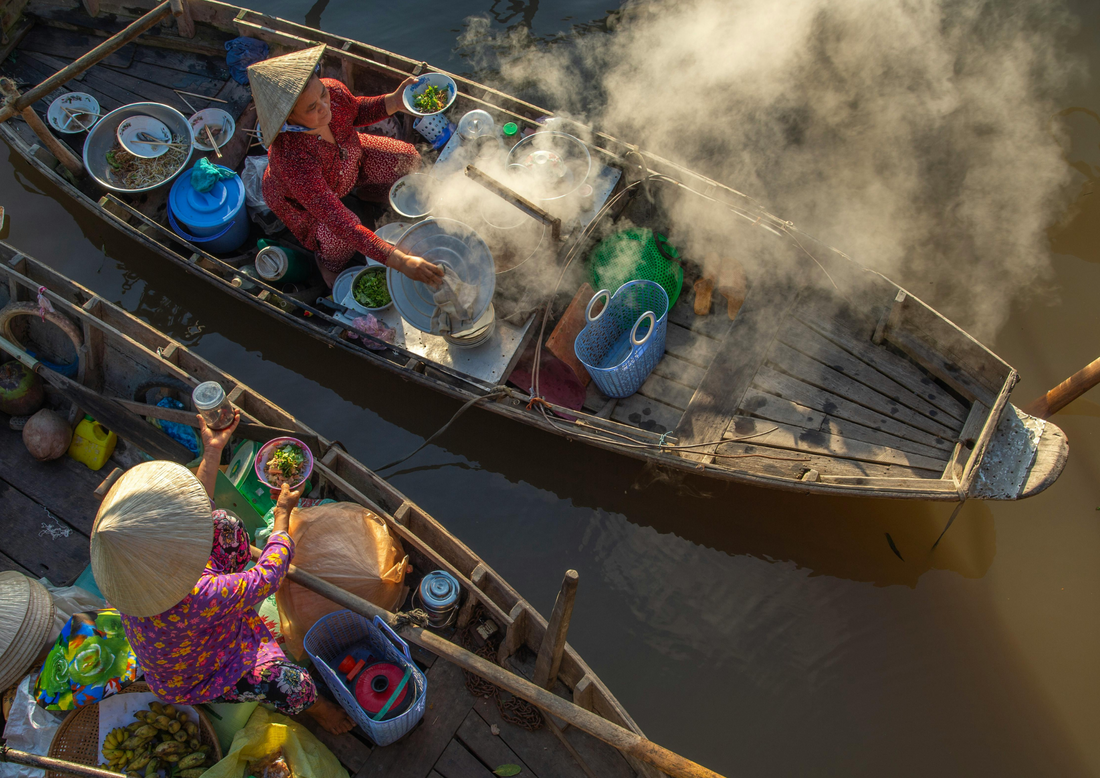
If you think that you have dined at enough Vietnamese restaurants and, through observation, understand all that you need to know about dining culture, well, you might have missed these unspoken protocols. Don’t just plonk yourself down anywhere, wait to be escorted to where you will sit, whether it is on the ground or the table. The reason for this is that hierarchy plays a role in who sits where and when. The eldest person sits down first, then the oldest, and then the youngest diners. Another sign of respect is waiting for everyone to arrive at the table, then being seated, the oldest person to proceed eating first and everyone thereafter. Vietnamese meals are served family style, where all types of dishes are placed in the middle of the table, and everyone is obliged to help themselves with cutlery from each dish to their bowl. Never use your chopsticks or fork to eat directly from the serving dishes. You too can have a part by passing dishes around using both of your hands. Unlike Western dining, where you eat from dinnerware that is on the table, in the Vietnamese style, you can lift the bowl close to your mouth, leaving it on the table can be interpreted as a sign of laziness. I find it refreshing to hold the bowl to eat from. You may find that your host may serve meat or may offer a vegetarian meal. If your host serves seafood such as fish, once served on your plate, the fish remains on your plate and is never turned over. This may invoke superstitious images of a fisherman’s boat capsizing. Use chopsticks with respect. From the earliest historical Chinese and Japanese records, chopsticks were used for funerary and religious purposes and eventually migrated to the table, especially during the time of Confucius, curbing violence at the table with daggers. Never wave the chopsticks around while you are talking, point with them, or stick them upright in your bowl. Chopsticks are only for personal eating, use only. A good Vietnamese host will try to ply you with lots of food. To kindly decline, place your hand or lay the chopsticks over your bowl and thank the host and state that you are satisfied. Make sure there is no food left in your bowl, as it may be seen as careless wastage, which could have been consumed by someone else later that day. Please help the host in clearing the table before drinks are served at the end of the dining event. I hope these tips and tricks from my time in Vietnam help you when visiting the country, joining close friends, or accepting an invitation to dine at a Vietnamese restaurant. It is one of my favourite places to visit as people are kind and respectful, and the food is just amazing. Happy travels and tạm biệt – goodbye. Article Published In: Etiquipedia.blogspot.com 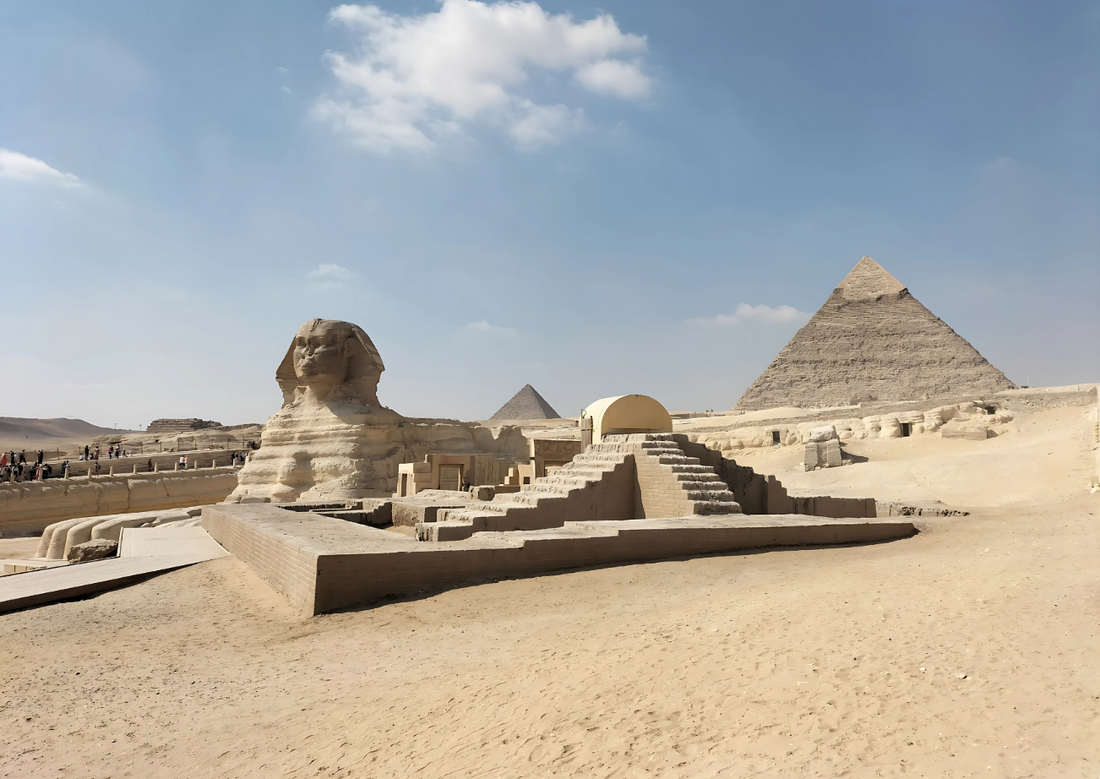 I recently travelled to Egypt with a group of girlfriends. Despite the ongoing conflict between Israel and Palestine nearby, we felt secure, relying on safety in numbers as we explored a country steeped in history. Here’s what I can report: I had an absolutely wonderful time. It was incredible to walk through a place filled with history that I first learned about as a child in school. Egypt, a land steeped in ancient history, has been known as Misr for millennia, up till today. Its civilization, one of the world's oldest, flourished along the Nile River over 5,000 years ago. The pharaohs, powerful rulers who constructed magnificent pyramids and temples, left asolid and enduring legacy that still astounds us today and I was ‘astounded’. Over the centuries, Egypt has witnessed the rise and fall of empires. From the Persians and Greeks to the Romans and Byzantines, foreign powers have sought to control. However, it was the Arab conquest of 641 CE that significantly shaped Egypt's future, introducing Islam and paving the way for its evolution into the Arab Republic of Egypt we know today. Arrival and First Impressions From the airport, we quickly made our way to Giza, where many accommodations offer rooftop restaurants. There, we enjoyed coffee with an unbeatable view of the pyramids—a truly awe-inspiring experience, I really did need to pinch myself. French and British colonial influence is evident in Cairo. Grand buildings with marble staircases and wooden panelling, reminiscent of the colonial past. Many businesses still bear French-inspired names, such as “Banque de Caire.” This legacy can be traced back to Napoleon Bonaparte’s invasion of Egypt in 1798. Although French control was short-lived, it left an impact on Egyptian culture. In 1882, the British occupied Egypt and maintained control until 1954. But to this day, I was paying taxi drivers to food stall owners in Egyptian pounds. We took a taxi to Alexandria, founded by Alexander the Great. It was once a cultural and intellectual hub of the ancient world. Renowned for its iconic lighthouse ‘great library’, it attracted scholars and thinkers from across the Mediterranean. It fell into disrepair over the centuries due to lack of funding, however, a new one has been erected in its place. I found that Alexandria had a distinctly old French Riviera vibe, with charming maison apartments on one side and a stunning sea view on the other, the sky tinted in soft hues of pink and purple at sundown. The people of Egypt are warm and kind-hearted, always ready to help, especially if they speak English or their native tongue - Arabic. I travelled with friends born in India but raised in Australia, and they were a huge hit with the locals! Egyptians are passionate about Bollywood, and shouted out names like Shah Rukh Khan and Amitabh Bachchan. Both are recognised and beloved in Egypt. The Warmth of Egyptian Hospitality Egyptians are renowned for their warm and welcoming nature. They are expressive and animated people who often convey their emotions openly, whether it's joy, gratitude, or sorrow. Their conversations are often punctuated with humour, and they appreciate a good laugh. When meeting someone for the first time, Egyptians often initiate the interaction witha friendly and light-hearted tone while smiling. Egyptians have a notable sense of style, dressing neatly and modestly. Women’s attire ranges from full Islamic coverings to business suits with uncovered heads, while men wear everything from jeans and sportswear to formal pants with jackets. Some men also wear the galabeya, a traditional full-length robe with a head wrap. Before traveling to the region, it’s a good idea to research cultural attire norms, as Western clothing might not be suitable in certain areas. 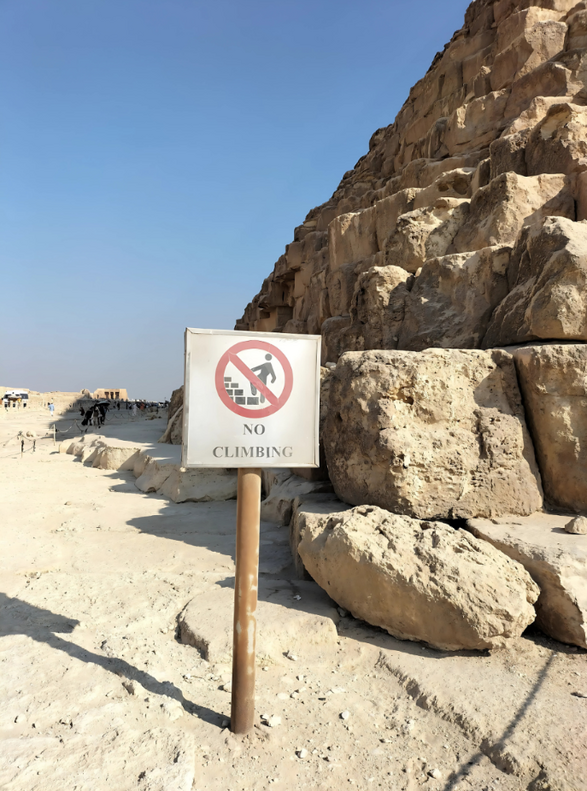 Visiting the Pyramids: Etiquette and Preservation
Thanks to advances in science and archaeological preservation, Egyptian authorities now maintain police guards around monuments like the pyramids and statues. Here are a few essential etiquette tips for these sacred sites: Do not, under any circumstances, climb the pyramids. The stone used to build the pyramids is ancient, and climbing can wear down the surface. You will see when you are in close proximity that some sides of the pyramids are wearing down due to environmental factors. Recently a German tourist has been banned from Egypt for life for climbing the ancient structure. Refrain from touching statues or ancient buildings. Even durable materials like marble can become discoloured over time from the oils and bacteria on our hands. Wikipedia.org states that ‘rubbing statues can have negative effects on them as it causes erosion’. Avoid acting stupidly. When you arrive in places such as Giza, Abu Simbel, Luxor or Aswan, be mindful of the culture and preservation of ancient history. It’s so important to ‘keep within the lines’. The Ministry of Tourism and Antiquities understands that the longevity of preservation is important to serve many more generations. Keep your hands by your side and be simply an observer. Take in what for many is a once in a lifetime experience. Another point of concern is the apparent disregard for cultural dress codes. It was disheartening for the Egyptians to witness women, particularly, wearing revealing clothing such as “boob-tube” tops, low-cut dresses, or short skirts with thigh-high boots, especially in sacred or culturally significant sites like the pyramids or near long-suffering camels, to capture that ‘influencer moment’. Such attire can be disrespectful to local customs and sensitivities. It is worth noting for these individuals can count themselves fortunate as there is a tussle outside these national monuments to get work as a guide. This creates a complex situation where cultural respect and economic realities intersect. Navigating Haggling and Tipping Culture In Egypt, haggling is part of the experience, from taxis to souvenirs. Before hopping into a local taxi, check Uber prices as a reference point to negotiate fairly with your driver. Tipping is customary and expected for a range of services—from restaurant staff to restroom attendants, and even in emergency situations, as one friend discovered after a dog bite when entering a hospital. A small tip shows appreciation and can make a difference in service and being pushed to the beginning of the line. Use Translation Apps There is a minority of people that are fluent in English in Egypt, so learning a few Arabic phrases goes a long way with locals. Arabic can be a complex language, so downloading Google Translate on your phone is invaluable for communicating effectively and asking those trickier questions or trying to haggle. Smoking Culture In Egypt, smoking rules are more relaxed than in many other countries. Smoking in public spaces, restaurants, hotels and even taxis is still common for men and woman. Men can often be seen smoking hookah outside cafés, chatting with friends, or scrolling through their phones. The only place where smoking is strictly off-limits is on airplanes. I loved travelling through Egypt, it was an incredible adventure and an unforgettable journey. From meeting Exploring the pyramids, temples, and tombs was a truly humbling experience. Documentaries like “Secrets of the Saqqara Tomb” provided invaluable context, deepening my appreciation for Egypt's rich history and its etiquette and cultural perspectives. Article Published In: Etiquipedia.blogspot.com While flying over the stunning hues of blue and green to Réunion, I discovered something remarkable: a collection of islands, including Réunion, Madagascar, Mauritius, Mayotte, and the Comoros, all within just 1-2 hours of each other. Together, they are known as Les Îles Vanille, or the Vanilla Islands. After island hopping, I felt truly enveloped in the luxurious scents of fragrant spices like vanilla bean, ylang-ylang, cinnamon bark, frangipani, nutmeg, and cloves. Réunion, a small island in the Indian Ocean, was once called Bourbon Island. Portuguese sailors first discovered it in the early 16th century, but the French established a lasting presence in the 17th century. The island’s fertile volcanic soil and favourable climate made it an ideal location for sugarcane plantations. Réunion's diverse population is the result of centuries of immigration. In addition to enslaved Africans, people from Madagascar, India, and China arrived to work on the plantations. This colonial history has shaped Réunion's unique identity and traditions. In 1974, it became a French department, granting its residents the same rights and privileges as those in mainland France. Today, the island has become a home for those seeking a literal "sea-change," as well as a hub for the airline industry and a base for training French armed forces. So, what did I learn about the etiquette of the people in Réunion? I found that long-standing citizens tend to follow mainland French customs socially, professionally, and when dining. Meanwhile, newer citizens—those from Mayotte, Comoros, or Madagascar—often use a mix of their native customs and French etiquette when interacting with the broader population. Greetings are a cornerstone of French culture, reflecting the country's emphasis on politeness and respect. Here's a guide to navigating the intricacies of French greetings: Handshakes
 La Bise
Saying Hello Geographical differences: Reunion lives a mixture of cultures from Indian, Chinese to those from the Les Îles Vanille will use the ‘metropole’ or mainland language of French. However, greetings will change when they communicate to their own community.
Respectful Address
As a French overseas department, Réunion enjoys political stability and modern infrastructure, making it an attractive destination for both tourism and business. Its strategic location in the Indian Ocean has also made it a key hub for regional travel and a base for French military operations. Today, Réunion continues to thrive as a vibrant and multicultural island, balancing tradition with modernity. Article Published By: Etiquipedia.blogspot.com 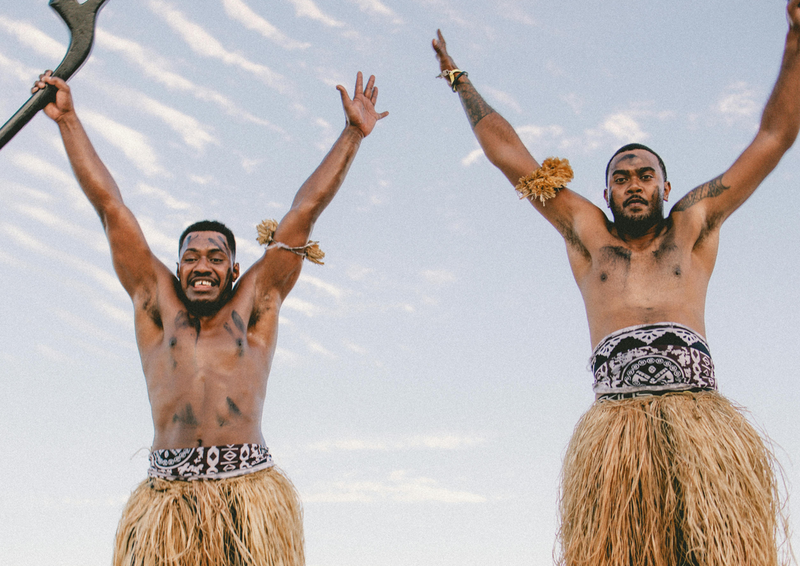 When people hear the name of Fiji, images are conjured in their minds of an exotic and colorful tropical island. The images one conjures up are quite justifiable, as what you are thinking of is what you will get. Fiji is very close to Australia, taking only 4-5 hours from the east coast. When you land, you are met by happy faces, men and women in their traditional clothing, flowers gently tucked between the ear and hair. The smell of seawater fills the air, while the sun warms your skin. Fiji, which resides in the Melanesian region, is an archipelago of more than 300 islands. The official languages spoken are Fijian, English, and Fiji Hindi. It has had quite a history. Europeans made contact with Fiji in 1643; later on, it was discovered that Fiji had ideal conditions for growing cotton, which was useful as the American Civil War had cut off the supply to the international market. From 1878, indentured laborers were brought from islands around Fiji and India to cultivate the sugarcane crops. Greeting Etiquette in Fiji When you walk from the plane into the airport, one word you will see written is ‘Bula’, which means hello or welcome. In urban areas, you will perform the western type greeting with a handshake or a quick wave with an introduction. Those who are native Fijian men will also gently shake and take their time when doing it. Those who are of Indian origin will use the traditional ‘Namaste’ with pressed prayer hands. Native Fijian women will greet each other differently, they could use the air kiss, while pressing cheek to cheek. However, it becomes different if there is deep respect between the two women, where one will put their nose next to the other person’s cheek and nose, then breathe in. An Indian woman may use the pressed prayer hands or lean into a hug or both. If a younger generation wants to display respect to the older generation, then a nod with a greeting or introduction will be used. In rural areas, communities are close and when walking by, an acknowledgement must be used. When greeting Westerners, the Fijians can be quite shy, men may extend their hand to shake, women, instead of body contact, they will use their native greetings. Fijian View of Time When on the mainland, I couldn’t believe how proud the Fijians were when it came to interpreting time…There was a saying, ‘Fiji Time!’. It wasn’t until I travelled around the islands that I completely understood ‘Fiji Time’. They are not only shy people at times also very relaxed. Their sense of time is fluid, they believe things happen when they happen. Conversely, those that are Indo-Fijian are more on par with Western timing and the emphasis is on punctuality.  Dining Traditional Style in Fiji
From 1830 onwards, missionaries came in from proselytising in Tonga and Tahiti, to Fiji and converted natives. Due to this, many, before meals are eaten, will pray or bless the meal. You will be sitting on mats and cross-legged while eating your meal. Eating is done together and no one will be left alone eating by themselves. Today, families will have spoons, forks and knives, however, it is very common to eat with your fingers. Talking, laughing while eating is encouraged, being loud and rowdy is frowned upon. If you are in rural areas is best to be dressed appropriately, where shoulders and knees are covered for women. Please note that there is a distinction between resorts and travelling openly. Whilst traveling from Suva to Nadi, I had the wonderful privilege eating sparkling fresh local produce and mouthwatering curries. Fiji – A Destination Holiday I am fairly certain that Fiji is on many people's list of places to travel to, and it was on mine. It is everything that glossy magazines display and more. It not only offers crystal blue lagoons and snorkeling, viewing the most brightly colored coral reefs and tropical fish, but it is also a place to soak in native traditions, enjoy kind and relaxed hospitality, and an opportunity to learn about exotic foods and meet those whose generations call Fiji their home. Article Published By: Etiquipedia.blogspot.com |
AuthorElizabeth Soos Archives
July 2026
Categories
|
 RSS Feed
