
 In today's fast-paced, digital world, teaching etiquette to children and teenagers is more important than ever. Good manners and proper etiquette can significantly impact their social interactions, self-esteem, and future opportunities. This blog delves into why etiquette matters, practical ways to teach it, and resources to help you along the way. Why Etiquette Matters Etiquette is more than just saying "please" and "thank you." It's about respect, consideration, and empathy towards others. Studies have shown that children who practice good manners are more likely to succeed socially and academically. According to a report by the National Education Association, children who learn social skills early tend to perform better in school and have healthier relationships throughout their lives. Practical Ways to Teach Etiquette
What Age Should A Child Learn Manners Quick Tips for Kids: For the Little Ones (Ages 5-10)
 Quick Tips for Kids: For the Teenagers (Ages 11-18)
In Review Teaching etiquette to children and teenagers equips them with essential life skills. It's a continuous process that requires patience, consistency, and practice. By instilling good manners early, we help them build respectful, confident, and empathetic personalities that will serve them well throughout their lives. By investing time in teaching etiquette, we're not just preparing our children to navigate social situations gracefully but fostering a generation that values respect and empathy, essential traits for a great future. Resources for Teaching Etiquette Digital Books, Online Courses & Etiquette Schools: Auersmont School of Etiquette and Protocol provide specialised programs for young people and digital workbooks for children and young people to work at their own pace. References For further reading and resources, check out the following links: National Education Association Report on Social Skills
0 Comments
 John Walker's book ‘Elements of Elocution’ refers to elocution as “the delivery of words formed into sentences, and these sentences formed into discourse, is the object of it; and as reading is correct and beautiful picture of speaking; speaking it is presumed, cannot be more successfully taught, than by referring us to such rules as instruct us in the art of reading.” Wow…what a statement made in 1820! I will break this statement down as John Walker has valuable insights that we can benefit from today when wanting to speak better. What Is The Meaning Of Elocution and Speaking Well Elocution goes beyond articulation; it is the art of expressing oneself fluently and effectively. It encompasses how a speaker uses tone, pitch, volume, and rhythm to add meaning and emotion to their words. It’s about more than just saying words correctly—it's about saying them in a way that engages the audience and conveys the intended message with impact. A speaker with good elocution can captivate an audience, hold their attention, and communicate their ideas with persuasive power. Think of a compelling public speaker or a captivating storyteller. Their mastery of elocution makes their words heard and felt. Improving elocution requires practice in voice modulation, emphasis, pauses, and pacing to enhance the spoken word. What You Can Learn In Elocution Classes Pitch, Pace, Pause, and Power. These elements are crucial in helping to elevate how you deliver a message. Here's how each of the 4 P's work: Pitch: Vary the highness or lowness of your voice to emphasize points and create interest. Pace: Adjust the speed of your speech to match the content and keep your audience engaged. Pause: Strategically use silence to emphasise key points and allow your audience to absorb information. Projection: Ensure your voice reaches everyone in the room by speaking clearly and loudly enough.  Pro Tip
Punctuation marks are the traffic signals of written language. They guide the reader in understanding the meaning and pace of the text. Here's a breakdown of how to use the punctuation marks:
Practice Exercise April’s heart pounded with excitement as she scanned the cluttered garage. (Rising pitch, increasing pace). There was, tucked away behind the old boxes, a familiar gleam catching the dim light. (Rising pitch, accelerating pace) Her beloved bike! (Exclaimed with joy, high pitch). She brushed away the dust with trembling hands, revealing the faded blue paint. (Lower pitch, slower pace) A wave of nostalgia washed over her as she remembered countless adventures on this trusty cycle. (Slower pace, dreamy tone). Why Elocution Is Important As you can see, elocution adds nuance to your speech, making it dynamic and engaging. Using elocution sharpens your ability to captivate and persuade. You transform words into living entities by mastering pitch, pace, and pause, breathing life into narratives. This skill is invaluable when connecting with others, allowing you to evoke emotions and paint vivid pictures. Whether sharing a personal anecdote or delivering a persuasive speech, elocution empowers you to command attention, inspire, and leave a lasting impression.  On most people’s bucket lists is visiting an exotic location or a Michelin-starred restaurant. The Michelin guidebook has been luring hungry travellers to fine dining establishments for over ninety years. Michelin invokes the feeling of being transported to the annual Academy Awards, a billionaire playground, or a chance to meet a celebrated MasterChef. Visiting one or more of these restaurants worldwide is a pleasure and a panic! Why? Being confronted with different types of cutlery, glasses or a modernistic table setting. On the outside, you may be smiling, but hell has broken loose on the inside. Here is a succession of tips and tricks to keep you looking like-you-know-what-you-are-doing and looking sophisticated while you dine. How Does Michelin Dining Work? Restaurants such as Sukiyabashi Jiro, Tokyo, Japan or Talula’s Table, Pennsylvania, USA, are so heavily booked that there is a waiting period of months, not days, for your reservation. Today many restaurants will have an online or call-in service to book a table. Do this in advance rather than chancing it and turning up expecting a table is magically made available for your party of five. Just remember, if you are with Lady Gaga, perhaps a table will be whisked out of nowhere and placed in the best part of the restaurant. A good restaurant in the booking phase will ask about allergies, most importantly. Address staff by their name– famous author Dale Carnegie stated that “a person’s name is to him or her the sweetest and most important sound in any language.” Why not use your maître d’ and server's name to get that extra service? When someone uses my name, I feel elated and want to go out on a limb for that person. Adding to the ambiance, dressing appropriately for fine dining shows respect for the establishment and the experience. It doesn't have to be stuffy suits and ball gowns every time. However, aim for a polished look. The key is to look put-together and avoid overly casual attire like ripped jeans or t-shirts. Remember, feeling confident in your attire allows you to fully relax.  What is Luxury Dining? A casual dining restaurant generally will be a large room or two, and upon entry, you will pass an exposed cash register with the kitchen behind and a restroom not too far away. Purpose-made restaurants will have an entrance where the maître d’ will meet you with a cloakroom and a small reception desk as you walk in. Casual dining, you will be seated straight away with a drinks order taken; conversely high-end dining, you may start your journey at the bar and given a menu to peruse before being escorted to your table. Once seated, in your casual dining experience you may be confronted with paper serviettes neatly squeezed into a stainless dispenser. Nothing shouts ‘luxury’ as a crisp, starched linen napkins! Once seated swiftly take the napkin from the place setting, unfolding without showing other diners you have attended ‘Running Of The Bull's’ in Pamplona, Spain, sliding it on your lap with the crease facing your stomach area. Your server may give you slices of bread or rolls. This is not the time to fill yourself up on bread and butter or make a sandwich. A good restaurant will have a plate relegated for this crusty item. The etiquette for bread is that it should never leave the plate instead of breaking bread as you butter each piece with your fingers, which is the only time to handle food without cutlery. Silverware should be used correctly when dining in casual or high-end restaurants. For flawless service, your server should pair the correct silver to your selected menu. If you have chosen steak, a steak knife will accompany. Crab - seafood pick, oyster – an oyster fork will be added to your setting. 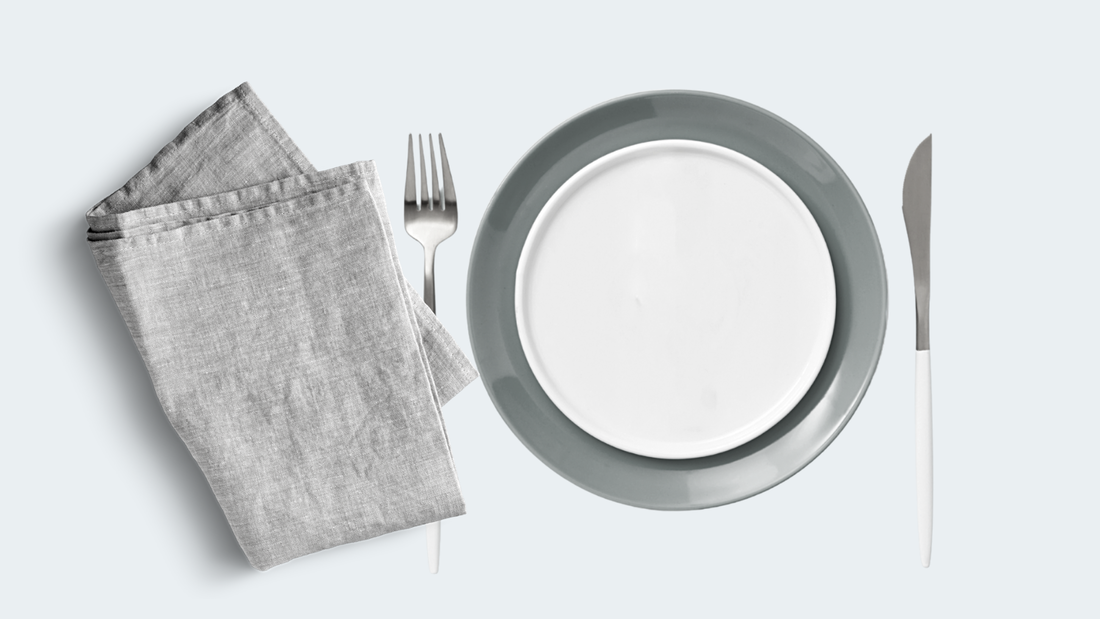 To Michelin Or Not To Michelin How does a restaurant become listed in the Michelin Guidebook? A team of inspectors book anonymously and follow a comprehensive list of topics from the client to the culinary experience. After the field test, these incognito inspectors gather to present their findings as well to consider who will be awarded a Michelin Guide star rating: One star: A very good restaurant in its category. Two stars: Excellent cooking, worth a detour. Three stars: Exceptional cuisine, worth a special journey. Sorting Out the Sommelier Many start hyperventilating and want to hide under the table when a sommelier walks by, believing that the restaurant has employed them to upsell. Fine dining establishments will have trained wine professionals whose only job is to, advice and serve on the wine selection. Next time you dine, why not test out your sommelier's knowledge and give them your guidelines to what you enjoy and meet in the middle? Researchers have discovered that a glass's shape can enhance the wine's aroma and taste. Glasses created for red wines are usually more giant bowls to help oxidise the wine at room temperature. White wines have a smaller bowl for the oxidation to happen at a slower rate. The champagne flute assists in keeping the bubbles from escaping. Always hold the steam at the bottom away from the glass bowl to keep your wine from heating up. Suppose you are wearing lip balm or lipstick, it’s advisable to keep drinking from one area rather than leaving a ring of makeup for fellow dinners to view. The recommendation is still water between courses to neutralise your palette in readiness for the next class and pairing. For a more detailed wine glass guide, go to Riedel. 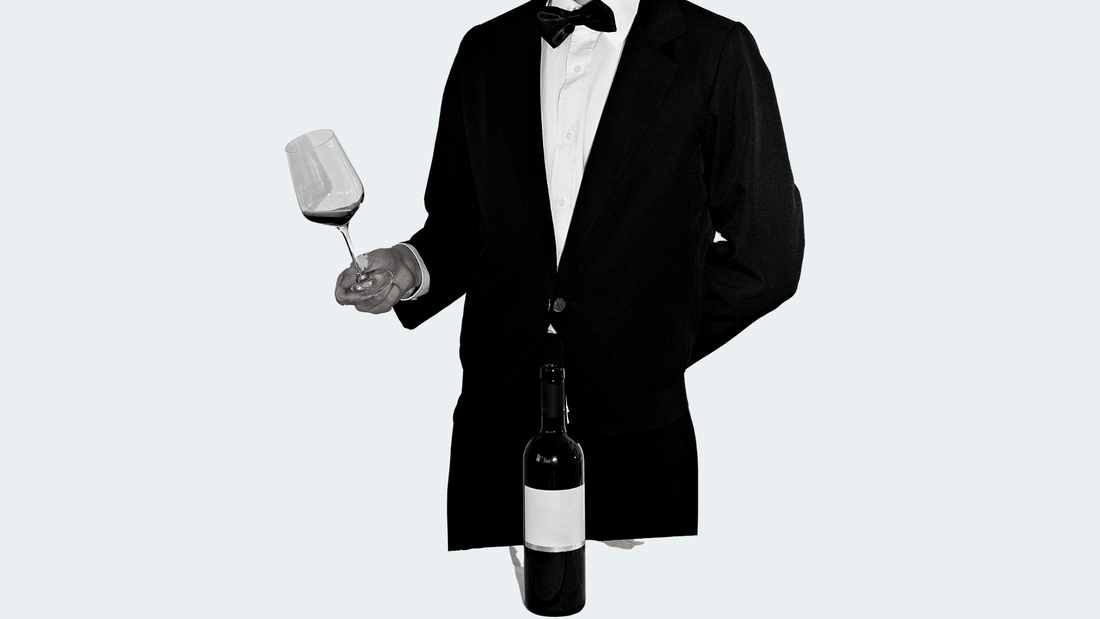 Differences Between Casual and High End Dining The chef’s pride and joy is the menu; it is the culmination of blood, sweat and tears of practice, experience and know-how presented in several ways: full course menu, menu degustation with an accompanying wine menu. Smaller restaurants serve all year-round menus without many changes. Those reaching for perfection choose seasonal produce, variety and creativity. A fine dining situation, staff dressed in crisp white or black (to blend in) will be trained to flawlessly explain each dish if asked. Menus can come in all ways of presentation, laminated, and with all the paper real estate taken up. Top-notch chefs will think about the menu layout, dish description, and cooking technique with a suggestion of wine paring, finishing it with sleek minimalism. I have seen many different ways diners have handled a menu, such as the ‘FBI secret service’ look, where diners ensconce themselves behind the whole menu or use it as a fan and wave to staff to get their attention or bend right over as though looking through their uncles ‘last will and testament’. The right way is to prop the menu on the table's edge while reading. It will be the same method as placing your wrists, not your elbows! When your food is plated, chefs can go to extraordinary lengths to get the plating and presentation ‘right’. With casual dining, it’s a case of the ‘Yotam Ottolenghi’ style plating. How will you handle your plate if there are bones or pips? You place this neatly in the upper left-hand part of your plate, keeping the rim food-free so your server can handle your finished dish without it flying out of their hands onto the manicured floor. Hollywood has immortalised the scene where a customer in a restaurant chastises the server, and staff go running scared, bending backwards to keep the client happy. Today it's a different story, there are many ways to be 'heard'. Most immediate complaints, such as discovering an unknown object in your food, just catch the eye of your server and explain quickly and politely for a replacement meal. If you feel the need to provide 'feedback' to the restaurant, please send an email. You never want to end up as the food critic in a deleted movie scene in 'Burnt' featuring Bradley Cooper. As the owner and chef, he calmly folds up the tablecloth and takes away all plates, drinks and food in front of uptown clientele, telling him to apologise and go elsewhere! Ouch!! 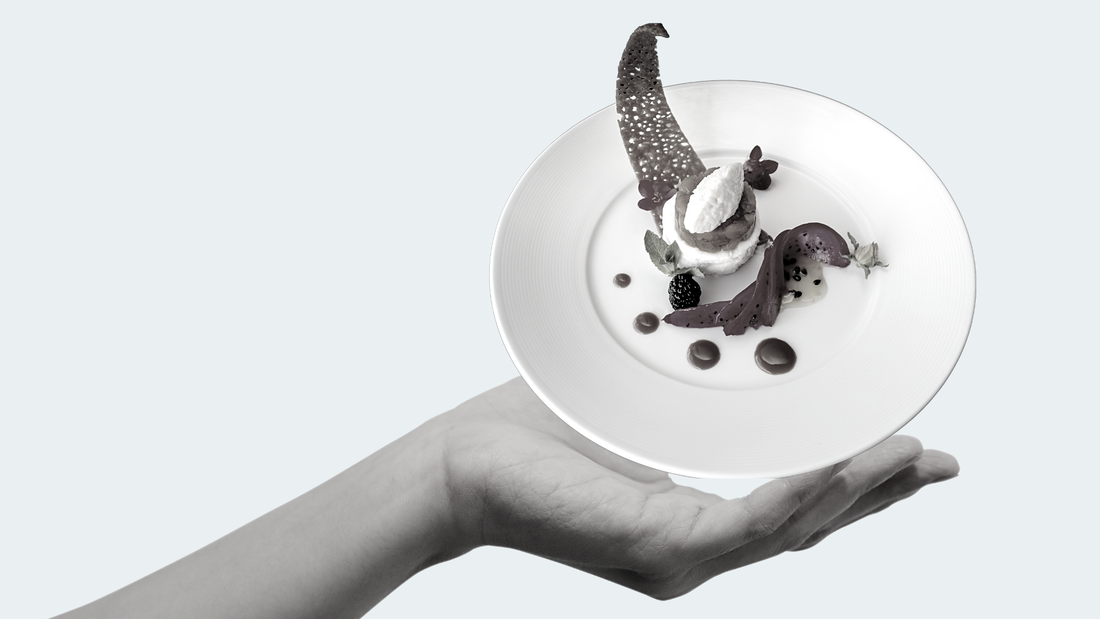 Key Takeaways
In the Michelin Guide you will find many restaurants that challenge the way you view food including the way you eat it to enhance the dining experience. Many chefs transport you for a few hours to table that is laden with new and modernistic implements and plateware such as Restaurante Andreu Genestra in Majorca, Spain, using farm tools to serve food or Ultraviolet in Shanghai, China employing multi-sensory technology whilst you eat. The best way to know how to use these fancy items is to research….stalk like you would stalk a new-years sale. Look at photos on Instagram, Google, use the hashtag. The internet is littered with trillions of photos and you will soon see what to do, making you look like a pro.  People often ask why etiquette is necessary and its benefits, especially in our modern era. Some may argue that manners are outdated and belong to their grandparents' time. However, etiquette is never out of style. It evolves and adapts to suit our contemporary lives. At its core, etiquette comprises guidelines for politeness and respect, reflecting how we wish to be treated by others.
Etiquette establishes positive behaviours both socially and professionally. It embodies our cultural values, ethical principles, and the norms of our families and social circles. It helps us demonstrate respect and consideration, boosts our confidence, and provides the assurance that we have acted appropriately in any given situation. This, in turn, makes us feel more comfortable. Additionally, etiquette can protect others' feelings by preventing the highlighting of their mistakes. It emphasises communication, breaking down barriers rather than building them. In the workplace, proper etiquette enhances our skills, showcasing us as capable professionals and leaving others with a positive first impression. In today's busy world, many people miss out on being taught proper etiquette. I t doesn't come naturally; it requires practice. This practice starts at home, extends to our workplaces, family, and friends, and eventually to strangers. Over time, it becomes second nature and a highly admired quality. The Nine Benefits of Etiquette
In Summary Adhering to the principles of etiquette can help us navigate social and professional landscapes more smoothly, fostering better interactions and relationships in all aspects of life. 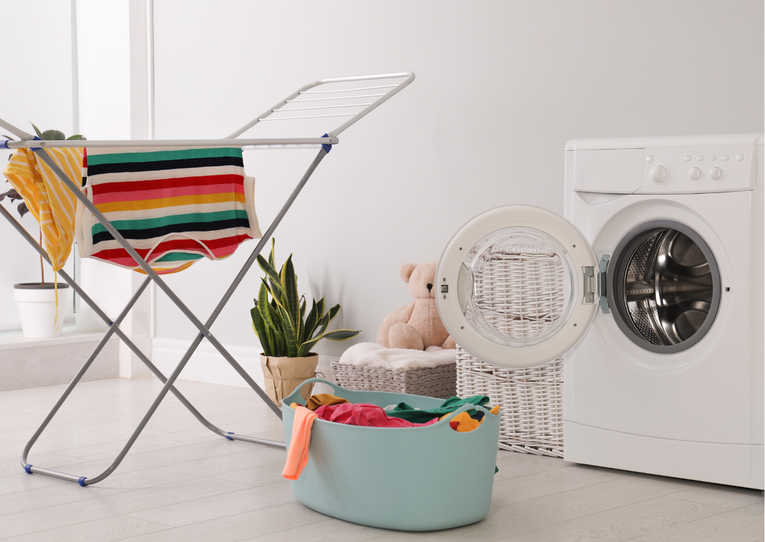 These days, popular social media sites are more full of dirty laundry than your local dry cleaner and laundromat combined. Wouldn’t it be great if A thru Z-list celebs had their own White House-type press secretaries to deflect questions and tell us all to disregard which dirty laundry we read on social media and the more salacious of news’ sites? And then, of course, tell us which we “should” believe?
And whose “truth” holds the actual facts when someone trashing the in-laws while airing the dirtiest of laundry, exclaims proudly that it is “her truth” or “his truth?” Airing dirty laundry has practically become an international sport. It was so prevalent at the Paris Olympics last month, some of those airing it should have been given medals! But then again, they should have also been ashamed of themselves. Unfortunately, scurrilous examples could have used a crackerjack press secretary for actions, reactions and events which ended up in the media as meaty clickbait and videos or reels of gossip-mongering. Examples include the duo nicknamed the “Temu Royals” on social media. They never stop airing dirty laundry, and thankfully it is not reciprocated by the other side of the bubbles. How about the hours spent discussing the inevitable split of those two once referred to as ‘Bennifer”? Or the laundry bubbles bursting onto the scene in the aftermath of the P. Diddy arrest? Or the tamer soiled laundry of the late-Matthew Perry, who wrote in his tell-all autobiography about a long ago make out session with a then married Valerie Bertinelli, aka Mrs. Eddie Van Halen? The Language Council of Singapore described the idiom ‘airing of dirty laundry’ as “ a metaphor, stemming from the embarrassment one would feel if others saw the clothes, sheets and towels that needed washing. In addition, if the owner did not feel embarrassed, the witnesses would be. This works the same way for humiliating or extremely private family secrets that should not be talked about in front of others.” We can use the centuries-old metaphor for the aforementioned modern examples that have played out on television and social media. Do we need to know about what the ‘nanny’ said? Do we want to know your thoughts about a particular boyfriend that your ex is dating or revealing intimate details in a book? My next question is hopefully a thought-provoking one…what does this say about you? Perhaps it was a need to make money for the writer and publisher alike; leaking these details helps you in the legal case that will be made in the non-distant future, or it just ‘feels good’ to express emotion? Maybe! For those that don’t have a PR team at our disposal, we can use these tips before putting things on social media:
One of the best examples to date is how the House of Grimaldi, otherwise known as the royal family of Monaco, dealing with the absence of Charlene, Princess of Monaco, from royal duties and life for a short period from the beginning of 2022. A quick and brief statement gave general insight but did not mar the monarchy's reputation. Bravo, and well done. We all can channel Sarah Huckabee Sanders, former political spokesperson, first in a long line of press secretaries for the Trump administration and the governor-elect of Arkansas. She battled the White House Press Corps and supposed “dirty laundry” being brought into the White House Press Corps room like a knight wielding his sword, or even a high-tech laundromat at which the dirty laundry is scooped up and cleaned without a trace, playing down the constant barrage of political mishaps with obsequious comments deflecting from what was really happening. Article Published: Etiquipedia.blogspot.com |
AuthorElizabeth Soos Archives
July 2026
Categories
|
 RSS Feed
