
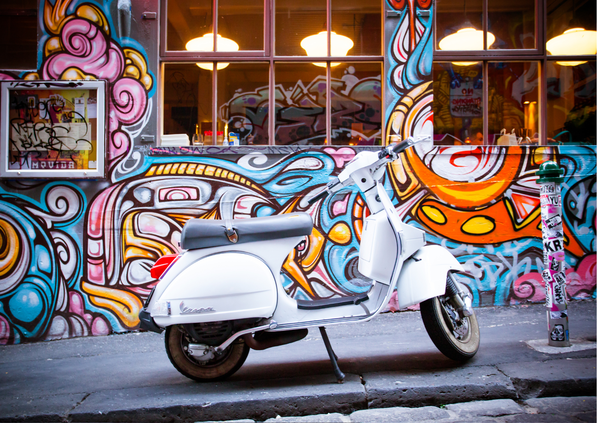
 The drinking and cultivation of coffee has a relatively short history in Australia. Coffee landed on the Australian shores from 1788 on the first fleet from abroad. It has been said that during the first fleet’s voyage, it made a stop in Rio de Janeiro for plants and seedlings to grow in the new lands. At the time, coffee was often mixed with “fillers” like chicory and other food products such as mustard or eggshells, that had no business being in coffee. This changed with the arrival of immigrants to Australia, notably after the second world war, who brought their own styles of coffee-making with them. Coffee became a well-known, popular beverage and cafés were set up to accommodate a little taste of Greece, Italy, Hungary, and the former Yugoslavia, from the 1950’s onwards. These immigrants also brought with them different coffee grinders and coffee accoutrements, such as a briki, cafeteria or moka pot, that would fill the walls, piquing the interest of the consumers enjoying coffee and dessert with friends. By the 1970’s and 1980’s, the hot trend was for Australians to sit at a café and eat newly discovered, and even exotic desserts and biscuits, with their coffee, may it be cappuccinos, lattes, flat whites, long blacks etc. Australian’s are frequently ranked as top consumers of coffee. Many of the original coffee houses in Melbourne, Sydney and Adelaide still stand, even with their original fit out, now making icons of the Australian coffee scene. Namely: Pellegrini's Espresso Bar and Mediterranean Wholesalers. See article in: Etiquipedia.blogspot.com #auersmont #coffee #cafe #australia #melbourne #etiquette #etiquette tips #etiquetteschool
0 Comments
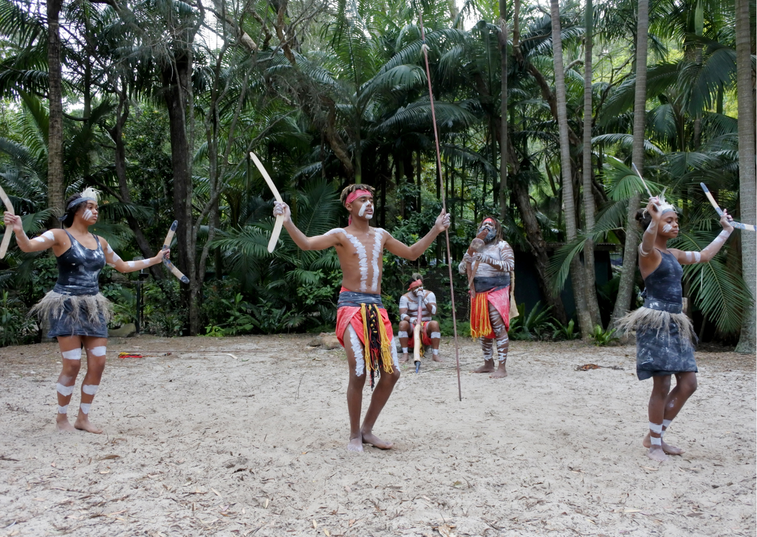
 Having been born and lived in Australia most of my life, we were taught that the Australian Aboriginals were the first to occupy and that was it. Unfortunately, 35 years ago, we were not taught how to interact, understand their language or culture. Today, going into classrooms now, we are better e quipped and regularly have interactions with elders and now have cultural centres where we can better understand their connections to land and people. Indigenous Etiquette – Australian Aboriginals and Torres Straight Islanders What is Aboriginal and Torres Strait Islander etiquette? I recently asked a Yorta Yorta brother and a Pitjantjatjara sister both living in Alice Springs, their advice:
Article Published In: Etiquipedia Blogspot>> 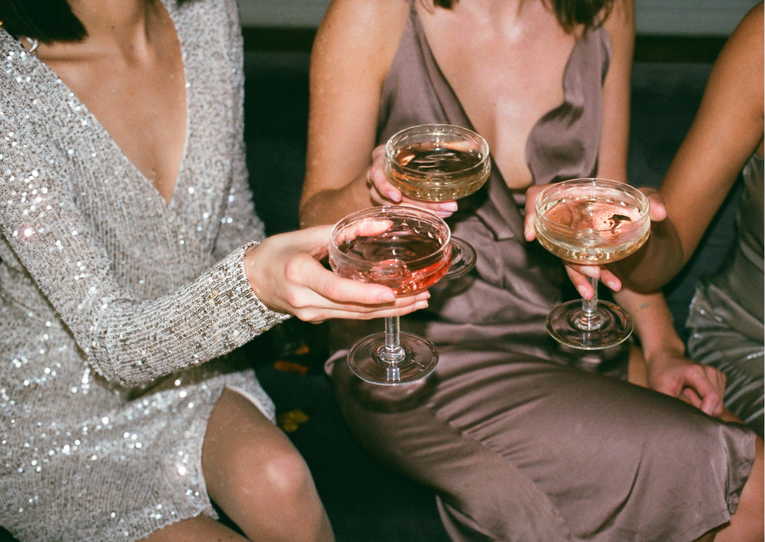 Most of us love champagne. We enjoy hearing the distinctive “pop,” wondering if, and how far, the cork will go flying. We look forward to the effervescence and drinking those sharp bubbles... it really is an amazing beverage. Have you ever wondered what the etiquette for champagne is? Here are a few points on this special commodity:
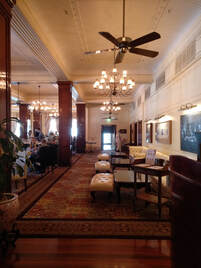
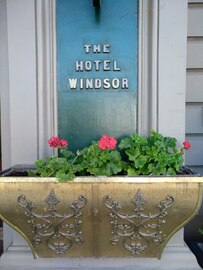
1. The name champagne is protected by Comité Interprofessionnel du vin de Champagne and can be only used by the growers of that French region. In Australia the wording used is “sparkling wine.” 2. Sparkling wines must be chilled before serving. There are a few ways to chill wine, put the wine in the refrigerator and chill to 8-10°C/46- 50°F or 3 hours. Putting it in ice and a bucket should take approximately 30 minutes to chill, and water will help bring the temperature down. 3. When uncorking the bottle, hold the cork and twist the bottle not the cork, Hold your glass upright rather than tilting your glass. When pouring into the glass, fill it only a third of the way up. Never fill it to the top. 4. When uncorked, sparkling wine does not need to be left to breathe, like a red wine. When pouring, the wine will air and that is all it needs. It will keep for approximately 24 hours in the refrigerator with a wine stopper. You will be surprised how well sparkling wines will keep in this manner. Article Published In: Etiquipedia Blogspot>> Australia’s Specialist in Etiquette Training: Auersmont School of Etiquette by Matthew Coppola21/8/2019  I recently chatted with Elizabeth Soos, consultant and principal of Auersmont School of Etiquette. Auersmont is a boutique etiquette consultancy firm that provides professional advice and expert knowledge in the world of etiquette, social conventions and good manners. Prestigious British etiquette educators, Emma Dupont in London and Paris and Shanghai-based etiquette and service consultant, Guillaume Rue de Bernadac at Academie de Bernadac, trained Elizabeth. Her training, coupled with a European background and extensive knowledge in cross-cultural issues, has enabled her to build Auersmont School of Etiquette to what it is today. Elizabeth believes that it is crucial to start with etiquette in the formative years of a child’s life, setting them in good stead for the future in their adult years. The courses that Elizabeth provides at Auersmont School of Etiquette have been tailored to match etiquette to the needs of all ages, from children to teens and adults. She has even devised specific training for business professionals and those newly entering the workforce. One of her speciality subjects is Interviewing Etiquette. At any age, applying for work and attending an interview can seem daunting, so this course that she offers will guide you through the interview process to be prepared and equipped. Thank you to Matthew Coppola for writing this wonderful article. www.clientcentric.com.au  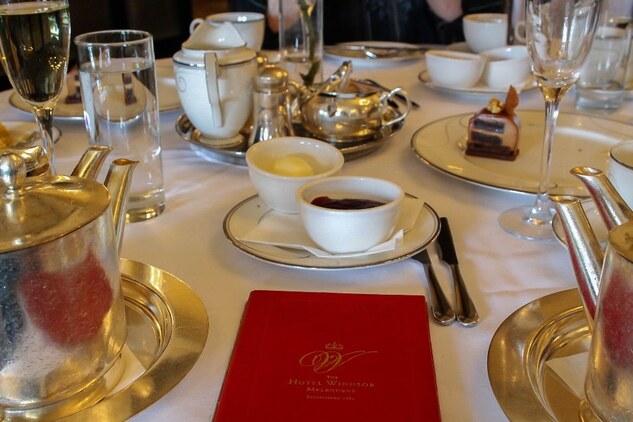 Afternoon tea at the grand Hotel Windsor is certainly a grand experience. Welcomed past the warm sun-soaked stone façade and the pretty window boxes of red geraniums into the charming reception of this five-star Victorian-era hotel, one of Australia’s finest, we were ushered through to the luminous room hosting the afternoon tea whose large windows offered views over Spring Street to the stately Parliament House. Seated at one of the finely dressed round tables where we were again welcomed, our afternoon of indulgence commenced. A 19th century practice imported from England to Australia, afternoon teas are a celebration of high-quality reinterpretations of the basics – tea, finger sandwiches, sweet and savoury tarts, and a selection of deserts. Windsor Hotel – or The Windsor, as it currently calls itself – has been the place in Melbourne to experience afternoon tea for over 130 years. How It Started Served by the highly attentive staff with a fine attention to detail, our experience unrolled as smoothly as the gentle apple notes of the French sparkling wine gave way to a rounded wood finish and we worked our way through each tier elegantly sitting on Noritake plateware. We were presented with petite savoury pastries on the upper tier: Cornish pasties and confit onion tart. The balance of organic vegetables in the Cornish pasties were encased in utterly buttery pastry that reflected the season’s change to autumn. The slow-cooked caremelised onions were a perfect match with the goat’s milk cheese and orange reduction, served with a half-slice of cherry tomato for an acid bite and visual appeal. The Three Tiers of an Afternoon Tea The lower tier presented ribbon sandwiches with a distinct English touch with a nod to Asia: the salmon sandwiches with dill, mayonnaise and gherkin were served in a milk bun reminiscent of Hokkaido. Roasted walnuts give a delightful textural crunch to the sandwich containing tender roast chicken with celery. Finally, the traditional egg with mayonnaise ribbon sandwich hit a new high with a daring dash of horseradish. The middle tier we kept for last to finish on a sweet note. The three desserts were simply too beautiful to eat, but we did anyway, to our delight. The shining sphere of almond sponge and basil mousse covered in strawberry lacquer was a triumph. Caroline and Stéphanie Tatin would have approved of the apple tarte tatin whose walnut sablé crumbled delicately in the mouth, the perfect foil for the apples and classic vanilla cream. The buckwheat and dark chocolate tart gave us a taste both of Bretagne in the west of France and South-East Asia, the former through the buckwheat sablé and the latter through the tart gelée of the kalamansi citrus fruit, joined by a delectable dollop of 65% dark chocolate cremeux. It’s All In The Tea Of course, the afternoon tea wouldn’t be an afternoon tea without the tea! Our server helped us to choose teas that would most suit our preferences, giving information that supplemented the brief descriptions given in the tea menu. The aromatic tea, after being brewed at the correct temperature, was served into porcelain cups. For those who had room, the scones – plain or with plump sultanas – were just as they should be: buttery with a giving crumb, light and well-risen. They were served with the hotel’s eponymous jam and thick clotted cream. Conclusion There are many hotels and restaurants around the world who offer afternoon teas. However, to succeed, the venue needs to strike the right balance between ambiance, food and beverage quality and service standards. Whether staying in the hotel or not, the staff answered all questions in a friendly manner and served the afternoon tea in an unobtrusive way. The delicious food showed originality and the teas utmost care in their sourcing and serving. The Windsor’s building itself has stood the test of time – and whose guests have included several Australian Prime Ministers, Don Bradman, Claudette Colbert, Margaret Thatcher, Gregory Peck and Meryl Streep, among others, and provided an unparalleled cadre in which to enjoy the city’s best afternoon tea.
|
AuthorElizabeth Soos Archives
July 2026
Categories
|
 RSS Feed
