
AUERSMONT
  • HOME
    • Why Auersmont?
    • Free Course
    • Etiquette Q&A
    • All About Etiquette
    • Case Study
    • FAQs
  • ONLINE & INPERSON SERVICES
    • Modern Etiquette Masterclass
    • Professional Image Masterclass
    • Job Interview Masterclass
    • Modern Dining Masterclass
    • Group Courses & Programs
    • Young People's Programs & Classes
    • International Finishing School
    • Corporate & Professional Training
  • ETIQUETTE GUIDES
  • CONTACT US
  • BLOGS

Hungarian Social and Dining Etiquette - Customs of Hungary

29/7/2026

0 Comments

 
Picture
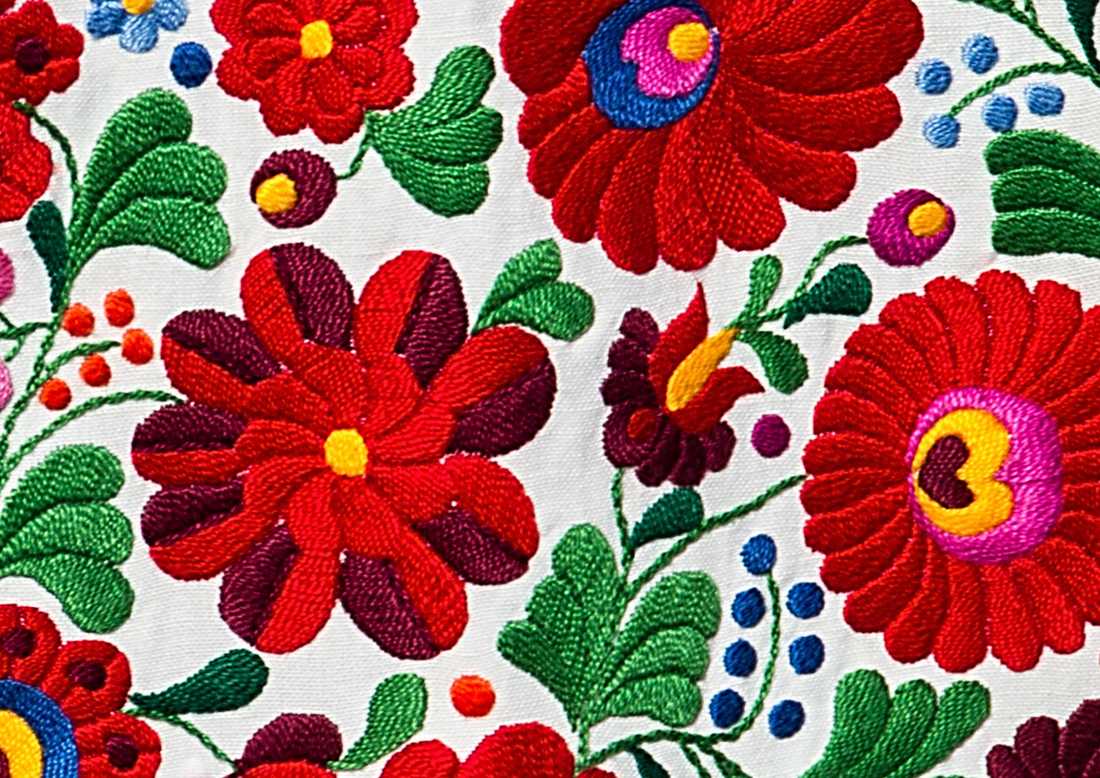
Hungarikum
​
This term is a combination of “Hungary,” or “Hungaria” and ‘‘unikum’’ meaning “unique.” Hungarians view themselves as citizens quite different from those of other European countries. It can refer to their food, family values, language, folk music, dancing, etiquette and respect. 

The Hungarian language – Magyer— is a unique language that stands under the umbrella of the Uralic language family. The closest known language to Hungarian is the Finnish. Many Hungarians mention this to show uniqueness and it is a source of pride. Hungarians are very respectful and etiquette oriented and will be very aware to show it and expect it to be returned.

Hungarian Names
Before knowing how to use Hungarian greetings it is wise to understand how Hungarians name themselves.
  • Hungarians will use surname then first name: Kovács Erzsébet.
  • Hungarians will introduce themselves using their surname first and then first name.
  • Some married women may want to keep their maiden surname or take on their husbands or take on both names. The word: né is an indicator of marital status. Example: If a woman’s name is “Kovács Erzsébet” and her husband’s name is “Nagy Imre,” she may choose “Nagy Imrené” or she may choose “Kovácsné Nagy Erzsébet.”
  • Children traditionally will take on the father’s surname. Hyphenated names are becoming more common than in the past.
  • As a term of endearment between friends and family, names can be shortened. For example, men named “Zoltan,” will be called “Zoli.” Or women named “Erzsébet,” may be called “Erzi” as a shortened name.
  •  Traditionally, Hungarians may have been named after a religious saint.

Hungarian Greetings 
  • In the past, greetings have been gender and aged based.
  • It’s best to wait until you are told how a person wants to be addressed, before addressing someone you are meeting.
  • The older generation may bow to you.
  • If you are known by someone and you have met several times, the person will then use your first name.
  • A firm handshake and making eye contact is a suitable greeting.
  • Friends and relatives will greet each other with a hug and kiss on each cheek, starting on the left side.
  • Men will shake hands only if the women extends her hand first.
  • Adults will greet children and teenagers by their first names.
  • Children and teenagers will be told how to address an adult.
  • During Soviet rule, many Hungarian honorifics were erased from social greetings.

Hungarian Families
Hungarians love their families and the centre of the social structure. Grandparents play an important role in helping to raising and teaching their grandchildren. They have strong ties with their immediate family and will live in proximity to their children. In years before, extended families often lived together and may still in the country areas. Food plays a huge role between families and friends. It is a way to show love and generosity.

Hungarians have tended to a patriarchal society, where the male is the authority. Historically, in some country areas, women ate around the dining room, whilst the men sat on chairs at the table. Today city and suburban areas, the main decision makers are both partners and families have modernised in customs and attitudes.
Picture
Hungarian Dining Etiquette
Hungarian pride resides in that Hungarians enjoy using the correct forms and want everyone to do the same. Here are forms of etiquette to know:


  • Arriving on time is key in showing respect, you will have 5 – 10 minutes “grace time.” At a party you will have a grace period of 30 minutes.
  • Replying to an invitation is essential, in a few days of receiving it, not at the last minute.
  • Many houses require that you take off your shoes and you will be given slippers, otherwise known as “papucs.”
  • Its rude to walk around the house, you are there for socialising, building relationships and enjoying the home cooking and hospitality.
  • When in the company of a person, humming, fidgeting, whistling is considered impolite.
  • Never make disparaging remarks about Hungarian food, wine and spirits. 
  • If you have religious requirements or food allergies, please make your host aware beforehand, never on the day!
  • When sneezing, use a tissue. 
  • When yawning your mouth should be covered. 
  • Never pick your teeth in front of guests or family. 
  • Elbows never go onto the table.
  • If you are not a close friend, arriving unannounced to someone’s house will cause unease.
  • Always use your formal dining manners at any meal and wait for the host to start.
  • Most Hungarian meals will be a three-course meal and sometimes even more.
  • Breakfast will be a quick and light meal. Lunch traditionally was the main meal of the day however dinner is fast becoming the main meal.
  • Leaving food on your plate is considered rude, as is seasoning your meal with salt and pepper. It may be showing you do not like the food or that the chef is a bad cook.
  • If you do not want your glass to be re-filled, leave ½ of wine in the glass. Traditionally, it has been the male of the house that will fill your glass.
  • Leaving your place setting neat and tidy with cutlery in the correct place on your plate when finished is a sign of politeness.
  • It is traditional for the host to offer and re-offer food and drinks during your lunch or dinner. Offering food and beverages are an indicator of friendship and hospitality.
  • You may be served palinka which is a fruit brandy, before or after a meal. Your host will want to drink it with you. Before drinking you will look your host or guests in their eyes, clink glasses and say to your health: Egészségedre or to our health: Egészségünkre.
  • Never clink glasses with beer. This goes back to Hungary's 1848 revolution against the Habsburgs. Hungarians vowed not clinking glasses should happen for 150 years. Even now that the time period has now ended, it is still not done.
  • When invited, bring gifts such as chocolates, flowers or Western liquor that cannot be found in the supermarket or local corner shop.
  • Never bring wine as national pride lies in the wine that is produced in Hungary.
  • When bringing a gift, it may be opened in front of you and be thanked for it.
  • Many people are superstitious in Hungary and avoid the number 13. When bringing flowers check the number of flowers making sure the total is an odd number. Also avoid lilies, chrysanthemums or red roses.

Talking Topics
  • One of the Hungarian characteristics is the love of socialising and sharing stories.
  • Positively talking about food, wine, spirits and the how you want to visit certain places in Hungary one day, or even your great experiences traveling there, asking about their family members or talking about good friendships you have had with other Hungarians, will win friends
  • Talking about bodily functions, animals, World War I & II, Communism, a person’s economic means, ethnic minorities in Hungary (which may include gypsies and refugees), may be offensive and make your host unhappy.
  • Great talking topics: Rubik’s Cube invented by Ernő Rubik, the biro pen invented by László Bíró, Vitamin C discovered by Albert Szent-Györgyi, Olympic Games where476 medals were won. Winning the FIFA World Cup in 1954.

Article Published By: Etiquipedia.blogspot.com
0 Comments


Leave a Reply.

    Author

    Elizabeth Soos

    Archives

    July 2026
    August 2025
    March 2025
    October 2024
    September 2024
    August 2024
    July 2024
    June 2024
    May 2024
    April 2024
    March 2024
    February 2024
    December 2023
    November 2023
    September 2023
    August 2023
    July 2023
    April 2023
    March 2023
    April 2022
    March 2022
    February 2022
    January 2022
    December 2021
    September 2021
    August 2021
    March 2021
    February 2021
    October 2020
    July 2020
    August 2019
    June 2019

    Categories

    All

    RSS Feed

    View my profile on LinkedIn
Picture
​© Auersmont School of Etiquette and Protocol

​HOME
Why Auersmont
Case Study
Blog 
​Privacy Policy

​SERVICE​S​
Modern Etiquette Masterclass
​Professional Image Masterclass
International Finishing School

Corporate & Professional Training
​


​ETIQUETTE GUIDES
Guide for Kids & Teens
Guide to Business Etiquette
Guide to Dining Etiquette 
Guide to Social Etiquette


​

CONTACT US
​
Submit Your Enquiry
  • HOME
    • Why Auersmont?
    • Free Course
    • Etiquette Q&A
    • All About Etiquette
    • Case Study
    • FAQs
  • ONLINE & INPERSON SERVICES
    • Modern Etiquette Masterclass
    • Professional Image Masterclass
    • Job Interview Masterclass
    • Modern Dining Masterclass
    • Group Courses & Programs
    • Young People's Programs & Classes
    • International Finishing School
    • Corporate & Professional Training
  • ETIQUETTE GUIDES
  • CONTACT US
  • BLOGS