
AUERSMONT
  • HOME
    • Why Auersmont?
    • Free Course
    • Etiquette Q&A
    • All About Etiquette
    • Case Study
    • FAQs
  • ONLINE & INPERSON SERVICES
    • Modern Etiquette Masterclass
    • Professional Image Masterclass
    • Job Interview Masterclass
    • Modern Dining Masterclass
    • Group Courses & Programs
    • Young People's Programs & Classes
    • International Finishing School
    • Corporate & Professional Training
  • ETIQUETTE GUIDES
  • CONTACT US
  • BLOGS

Etiquette and Customs of Réunion

23/7/2026

0 Comments

 
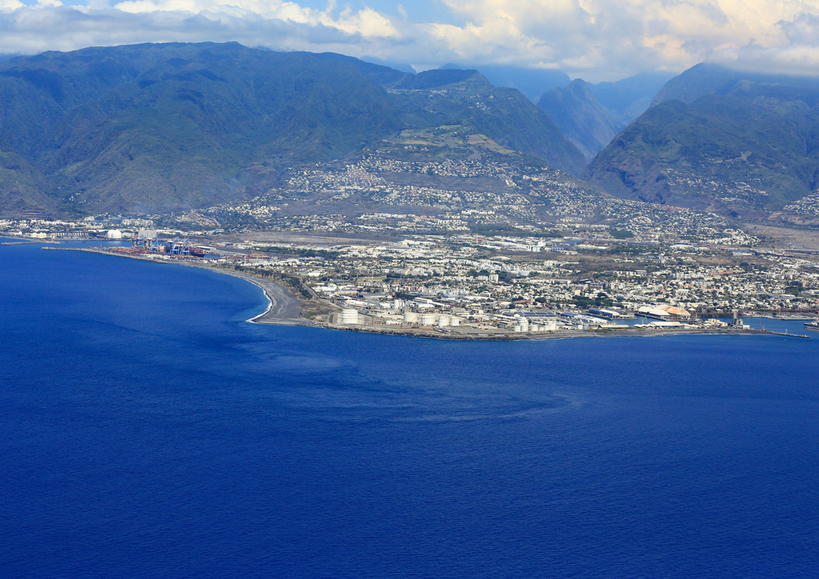
​While flying over the stunning hues of blue and green to Réunion, I discovered something remarkable: a collection of islands, including Réunion, Madagascar, Mauritius, Mayotte, and the Comoros, all within just 1-2 hours of each other. Together, they are known as Les Îles Vanille, or the Vanilla Islands. After island hopping, I felt truly enveloped in the luxurious scents of fragrant spices like vanilla bean, ylang-ylang, cinnamon bark, frangipani, nutmeg, and cloves.

Réunion, a small island in the Indian Ocean, was once called Bourbon Island. Portuguese sailors first discovered it in the early 16th century, but the French established a lasting presence in the 17th century. The island’s fertile volcanic soil and favourable climate made it an ideal location for sugarcane plantations. Réunion's diverse population is the result of centuries of immigration. In addition to enslaved Africans, people from Madagascar, India, and China arrived to work on the plantations.

This colonial history has shaped Réunion's unique identity and traditions. In 1974, it became a French department, granting its residents the same rights and privileges as those in mainland France. Today, the island has become a home for those seeking a literal "sea-change," as well as a hub for the airline industry and a base for training French armed forces. So, what did I learn about the etiquette of the people in Réunion? I found that long-standing citizens tend to follow mainland French customs socially, professionally, and when dining.

Meanwhile, newer citizens—those from Mayotte, Comoros, or Madagascar—often use a mix of their native customs and French etiquette when interacting with the broader population. Greetings are a cornerstone of French culture, reflecting the country's emphasis on politeness and respect. Here's a guide to navigating the intricacies of French greetings:

Handshakes
  • Business and acquaintances: A firm handshake is the standard greeting in professional and social settings. Shake hands with everyone present upon arrival and departure.
  • Amongst the community: Locals men may shake hands and/or put their hand over their heart. The young will slap each other’s hand and woman will grasp and hold.
Picture
La Bise
  • Friends and relatives: The "la bise" (kiss on both cheeks) is the most common greeting among friends and family.
  • Protocol: Place your cheek against the other person's, the kiss without the lips touching the skin, and repeat on the opposite side. A brief embrace often accompanies the la bise.
  • Regional variations: The number of kisses can vary by region. Please note that it may vary from region to region within mainland France, and island to island of Frances departments. For example, in the south of France, you will turn your left cheek, whereas in the middle and north of France, you turn your right cheek first. The number of kisses also varies from region to region, island to island there will be a mixed reaction to ‘la bise’, follow the lead of your French counterpart. Remove sunglasses or hats before performing the la bise.

Saying Hello
Geographical differences: Reunion lives a mixture of cultures from Indian, Chinese to those from the Les Îles Vanille will use the ‘metropole’ or mainland language of French. However, greetings will change when they communicate to their own community. 
  • French - Bonjour
  • Arabic - Salam
  • Shimaoré - Jéjé
  • Malagasy – Salama

Respectful Address
  • Formal greetings: Address individuals with their last name and appropriate title (Madam, Monsieur, or academic title).
  • First-name basis: Wait to be invited by your French counterpart to use first names.
  • Respect for elders: Maintain formal address when speaking to older individuals. 
  • Note: While the distinction between "Madame" (married woman) and "Mademoiselle" (unmarried woman) is less common today, it's still polite to use "Madame" as a general term of respect for all women.

As a French overseas department, Réunion enjoys political stability and modern infrastructure, making it an attractive destination for both tourism and business. Its strategic location in the Indian Ocean has also made it a key hub for regional travel and a base for French military operations. Today, Réunion continues to thrive as a vibrant and multicultural island, balancing tradition with modernity.

Article Published By: Etiquipedia.blogspot.com
0 Comments


Leave a Reply.

    Author

    Elizabeth Soos

    Archives

    July 2026
    August 2025
    March 2025
    October 2024
    September 2024
    August 2024
    July 2024
    June 2024
    May 2024
    April 2024
    March 2024
    February 2024
    December 2023
    November 2023
    September 2023
    August 2023
    July 2023
    April 2023
    March 2023
    April 2022
    March 2022
    February 2022
    January 2022
    December 2021
    September 2021
    August 2021
    March 2021
    February 2021
    October 2020
    July 2020
    August 2019
    June 2019

    Categories

    All

    RSS Feed

    View my profile on LinkedIn
Picture
​© Auersmont School of Etiquette and Protocol

​HOME
Why Auersmont
Case Study
Blog 
​Privacy Policy

​SERVICE​S​
Modern Etiquette Masterclass
​Professional Image Masterclass
International Finishing School

Corporate & Professional Training
​


​ETIQUETTE GUIDES
Guide for Kids & Teens
Guide to Business Etiquette
Guide to Dining Etiquette 
Guide to Social Etiquette


​

CONTACT US
​
Submit Your Enquiry
  • HOME
    • Why Auersmont?
    • Free Course
    • Etiquette Q&A
    • All About Etiquette
    • Case Study
    • FAQs
  • ONLINE & INPERSON SERVICES
    • Modern Etiquette Masterclass
    • Professional Image Masterclass
    • Job Interview Masterclass
    • Modern Dining Masterclass
    • Group Courses & Programs
    • Young People's Programs & Classes
    • International Finishing School
    • Corporate & Professional Training
  • ETIQUETTE GUIDES
  • CONTACT US
  • BLOGS