
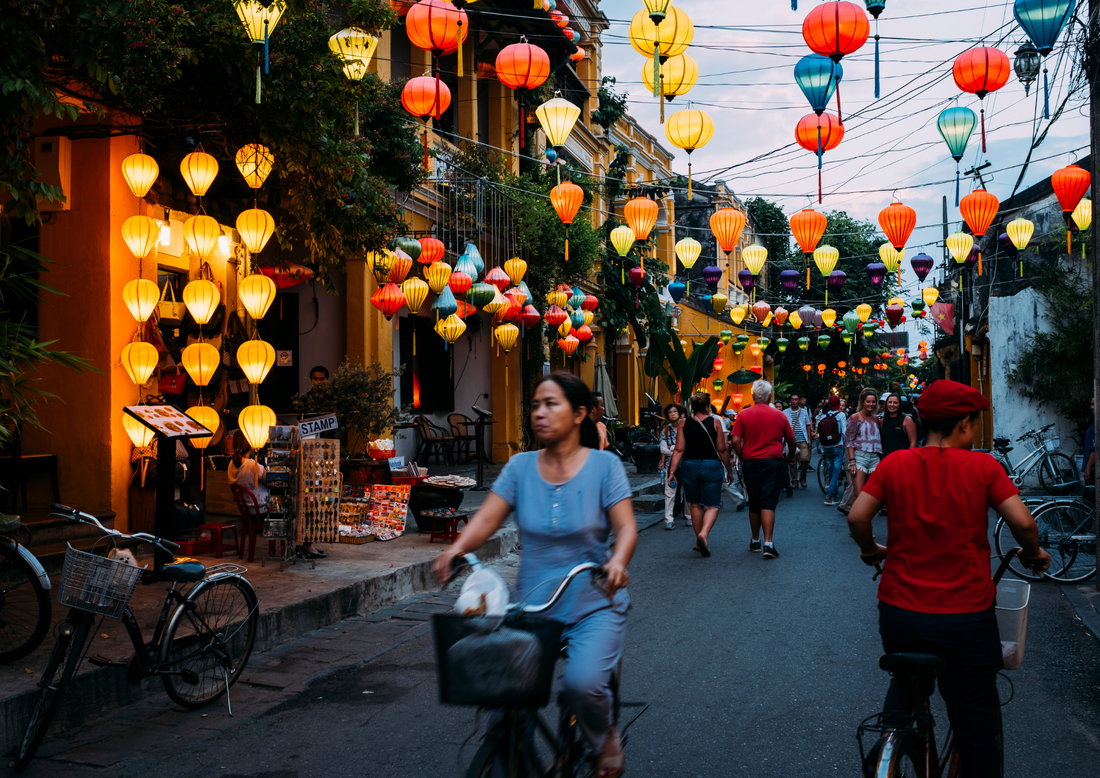
 My introduction to Vietnam and the Vietnamese people began in my early teenage years. In Melbourne, two suburbs recreated a shopping scene reminiscent of the energy and bustle of Ho Chi Minh City. These areas were alive with daily commerce, storefronts filled with colour, and restaurants serving traditional foods. Since the Vietnam War, the influx of Vietnamese into Australia has existed for over 40 or more years. I loved frequently shopping and eating in Little Vietnam in Melbourne and Sydney, absorbing its food and people culture. Eventually, I had the pleasure of traveling to Vietnam, starting from the north and making my way to the south. Here is what I learnt. What You Will See in Vietnam As you walk through streets, laneways, and peer through gated houses and step into businesses, you will see mirrors above front doors, below by the door's side, red coloured alters or you might see fresh fruit or fake money, which are symbolic offerings to dead ancestors that will be later burned. Traditionally, the Vietnamese are superstitious, and you will see each morning many attend altars dedicated to appeasing the gods, and families of long ago, deflecting the devil and bad spirits, praying to bring ‘good luck’ into their lives and their family’s lives. Other items of a religious nature that you need to understand are that there are lucky and unlucky numbers and colours, as well as pregnancy taboos that the Vietnamese take very seriously. Be mindful of not stepping over or on an altar that lies on the ground or touching items such as incense sticks that don’t belong to you. When entering religious places, follow the directions of the gatekeepers, such as taking your shoes off, wearing appropriate clothing, taking your hat off your head and using silence when watching those worshiping. ‘Khiêm’ Vietnamese for Polite Etiquette In Vietnamese, ‘khiêm’ means humble or modest behaviour. Be mindful that Vietnamese etiquette does not automatically translate into Western etiquette, nor are they similar. Westerners are taught that using polite language, such as ‘thank you’ or ‘you’re welcome’, is used when showing respect however, in Vietnamese this may translate to arrogance and is deemed unnecessary. So, don’t be surprised when ‘I’m sorry’ may not be used. Learn Greetings to Use While Travelling The Vietnamese language is a complicated one as it’s a tonal language and a tone mispronounced could confuse locals as to understanding you however, using a few Vietnamese words might open doors. Below you will see that greetings are different for those who are elderly, young, or close to your age. Vietnamese people are deeply rooted hierarchical society based on seniority and age.
 Eat Like a Native Vietnamese
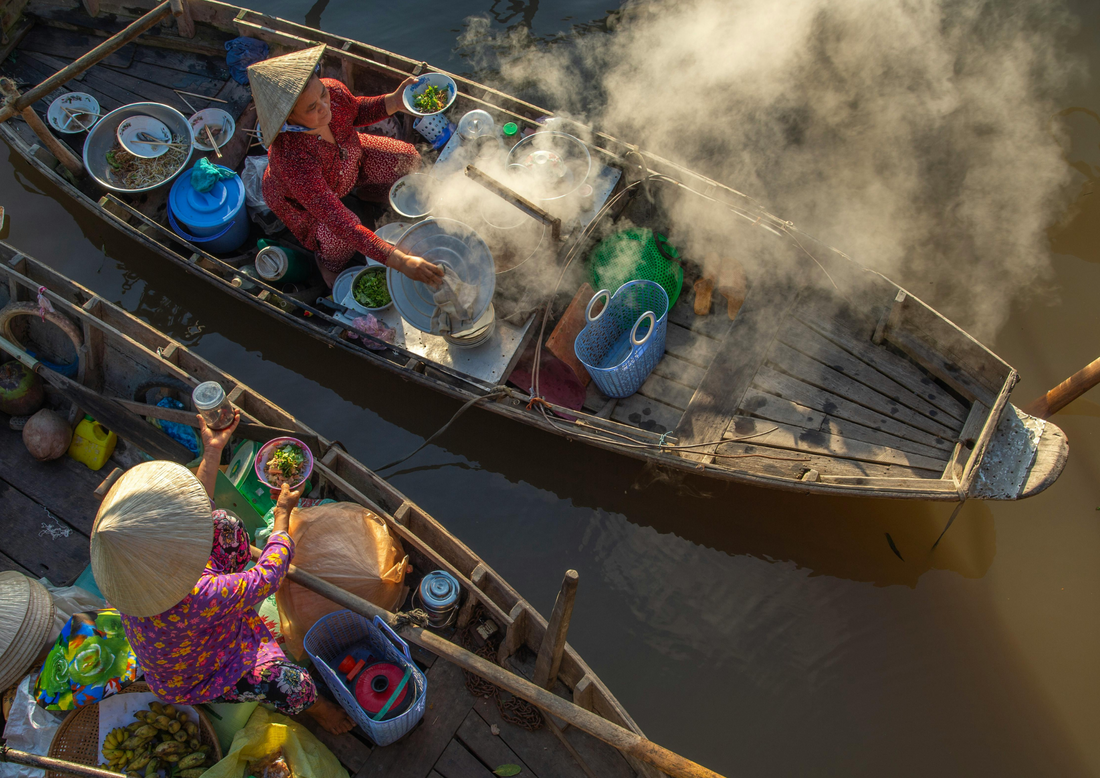
If you think that you have dined at enough Vietnamese restaurants and, through observation, understand all that you need to know about dining culture, well, you might have missed these unspoken protocols. Don’t just plonk yourself down anywhere, wait to be escorted to where you will sit, whether it is on the ground or the table. The reason for this is that hierarchy plays a role in who sits where and when. The eldest person sits down first, then the oldest, and then the youngest diners. Another sign of respect is waiting for everyone to arrive at the table, then being seated, the oldest person to proceed eating first and everyone thereafter. Vietnamese meals are served family style, where all types of dishes are placed in the middle of the table, and everyone is obliged to help themselves with cutlery from each dish to their bowl. Never use your chopsticks or fork to eat directly from the serving dishes. You too can have a part by passing dishes around using both of your hands. Unlike Western dining, where you eat from dinnerware that is on the table, in the Vietnamese style, you can lift the bowl close to your mouth, leaving it on the table can be interpreted as a sign of laziness. I find it refreshing to hold the bowl to eat from. You may find that your host may serve meat or may offer a vegetarian meal. If your host serves seafood such as fish, once served on your plate, the fish remains on your plate and is never turned over. This may invoke superstitious images of a fisherman’s boat capsizing. Use chopsticks with respect. From the earliest historical Chinese and Japanese records, chopsticks were used for funerary and religious purposes and eventually migrated to the table, especially during the time of Confucius, curbing violence at the table with daggers. Never wave the chopsticks around while you are talking, point with them, or stick them upright in your bowl. Chopsticks are only for personal eating, use only. A good Vietnamese host will try to ply you with lots of food. To kindly decline, place your hand or lay the chopsticks over your bowl and thank the host and state that you are satisfied. Make sure there is no food left in your bowl, as it may be seen as careless wastage, which could have been consumed by someone else later that day. Please help the host in clearing the table before drinks are served at the end of the dining event. I hope these tips and tricks from my time in Vietnam help you when visiting the country, joining close friends, or accepting an invitation to dine at a Vietnamese restaurant. It is one of my favourite places to visit as people are kind and respectful, and the food is just amazing. Happy travels and tạm biệt – goodbye. Article Published In: Etiquipedia.blogspot.com
0 Comments
Leave a Reply. |
AuthorElizabeth Soos Archives
July 2026
Categories
|
 RSS Feed
