
AUERSMONT
  • HOME
    • Why Auersmont?
    • Free Course
    • Etiquette Q&A
    • All About Etiquette
    • Case Study
    • FAQs
  • ONLINE & INPERSON SERVICES
    • Modern Etiquette Masterclass
    • Professional Image Masterclass
    • Job Interview Masterclass
    • Modern Dining Masterclass
    • Group Courses & Programs
    • Young People's Programs & Classes
    • International Finishing School
    • Corporate & Professional Training
  • ETIQUETTE GUIDES
  • CONTACT US
  • BLOGS

Etiquette and Customs in Tanzania and Zanzibar

29/7/2026

0 Comments

 
Picture
When I traveled to Tanzania, I was traveling in a group. We had traveled from Kenya, a booming populace with big personalities, to the sparse, quiet and shy people of Tanzania. It was a relief to feel the comfort and ease of the Tanzanian people after so much hustle and bustle. Our journey went very smoothly due to the fact that we followed some important etiquette rules.

Before we get to the protocols of being a traveller in Tanzania, let me explain the history of this little-known country. Tanzania is a country located in East Africa and is best known for its vast and scenic wilderness and friendly, welcoming people. Its great lakes region is home to several national parks. It was previously called “Tanganyika and the Zanzibar Archipelago.” These two areas were governed separately. Today, it is combined as one and officially called the United Republic of Tanzania. It encompasses the Zanzibar, its islands, and is part of the British Commonwealth.

How to Start the Conversation

Tanzania is one of the oldest continuously inhabited areas in Africa, and has had many different rulers, such as those from the Horn of Africa, West Africa, Arab States, Germany and the United Kingdom. All of these had an influence on the Tanzanian language, religion, infrastructure and economy and the way education and the judicial systems have been structured.

Tanzanian introductions and greetings are less pointed than in many other countries. They feel warmer and earnest and should be done in a relaxed way. They could be spoken by the state language, Swahili – be aware that there are approximately 120 languages spoken throughout Tanzania – however, when speaking to the elderly, less direct eye contact may be used and those in authority will want to speak in a polite and formalized language rather than colloquial. 

 The following is some terminology to use when traveling:
  • Hello > ‘Jambo’ – Common with Tourists
  • Hello > ‘Shikamoo’ Reply > ‘Marahaba’
  • How are you? > Habari? Reply > Nazuri
  • Farewell > ‘Kwa Heri Ya Kuonana’
  • Asante > Thank you
  • Local greetings can be a light touch on the shoulder or wrist and then the more “right-hand Western” would be the handshake, which can last longer. 
  • For women, placing your left hand over the right elbow may occur when performing a handshake or bow. 
  • Differences in religious practices may dictate whether you can touch the other person or not. 
  • It is an important part of Tanzanian culture to treat elders and those in authority with great respect. When shaking the hands of elders, use both hands; this shows you have respect for tradition. 
  • After the introduction is dispensed with then inquiries are made about how the family and health, proceed. 
  • It is essential that if an elder is speaking is to be stop and mindfully listen and hear their stories, advice or viewpoints.
Picture
Cultural Expectations of Tanzania
  • Modesty is essential; it shows respect, and it ensures you will be seen and heard more positively. When visiting villages, dress modestly by covering your shoulders and legs. On safari or sea, however, shorts and T-shirts are generally acceptable. 
  • When entering religious sites such as churches or mosques, observe local customs and dress similarly to the locals to avoid offending. 
  •  Tanzanians are welcoming and appreciate visitors, and while tourism supports much of the local economy, the culture remains conservative. 
  • Always ask kindly before taking someone’s photo. 
  •  And when it comes to PDA, public displays of affection, avoid it entirely.

Zanzibar’s Archipelago, the Spice Islands of Africa

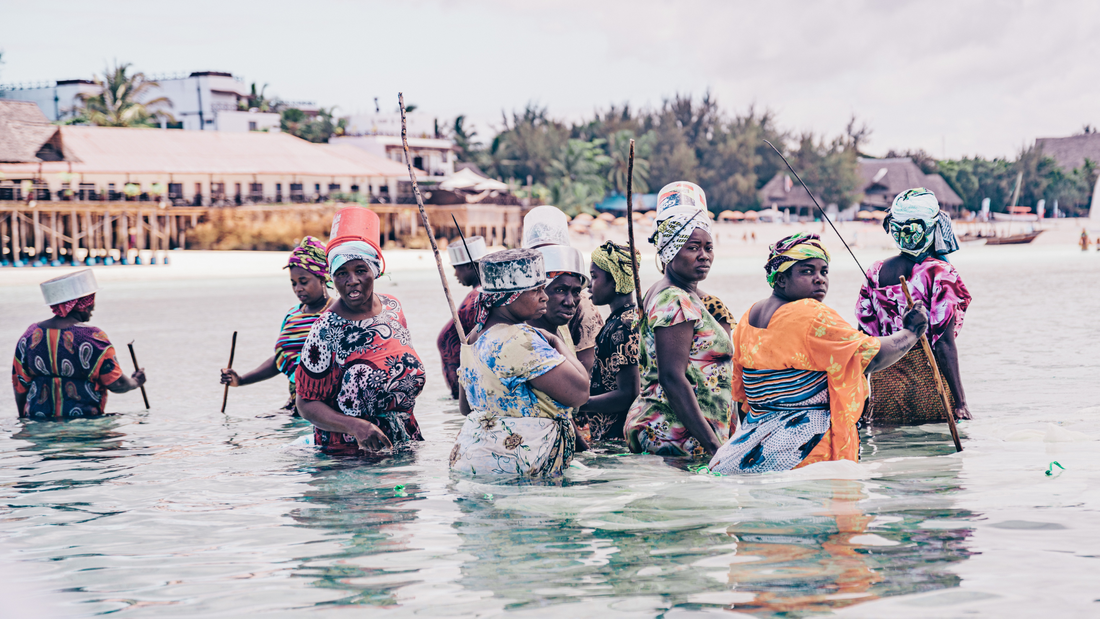
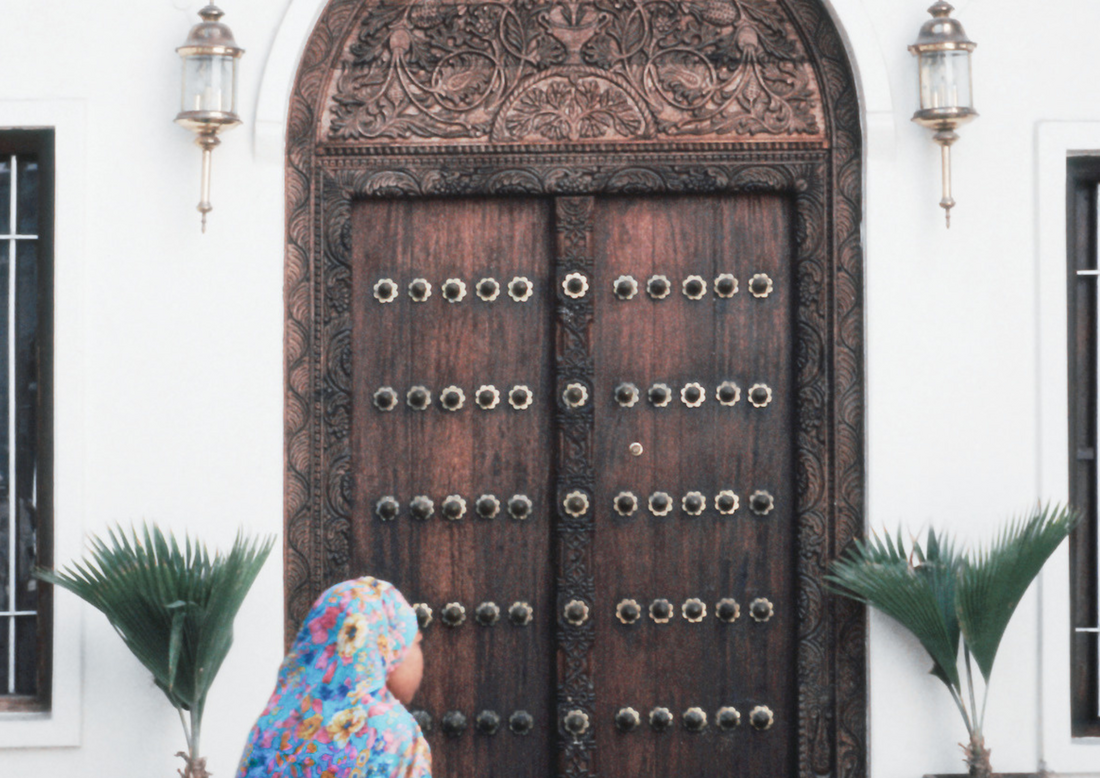
Zanzibar is truly beautiful. It is an ancient seaport and trading hub dating back to the 9th century, where Tanzanian merchants exchanged goods with seafaring nations such as India, the Arab world, and Persia. Precious items like ivory, gold, spices, and salt were traded, along with, tragically, enslaved people. The island’s architecture reflects its international traders, including locally designed coral-stone buildings.

Eating the Tanzanian Way

While travelling through Tanzania via Zanzibar, I found that the food was deliciously spicy, fresh and fragrant. Thanks to explorers discovering spices such as cloves, nutmeg, cinnamon, cardamom, black pepper, ginger, turmeric, and vanilla and bringing them via the Zanzibarian archipelago, this changed the way locals flavored their meals.


  • If you are invited to a traditional Tanzanian home, you will be invited to sit on a mat, so be ready to wear loose-fitting clothing or food offered to you on a low stool.
  • Food is eaten with fingers or hands, be ready to wash your hands before and after the meal, as I have found throughout Africa, washing hands is customary.
  • When passing food or eating, always use your right hand for most clean functions. Never use the left hand for anything during the dining event.
  • Whilst dining, be very aware that it is essential that the cook, or cooks, are valued and should be shown great respect. One way to do this is by not smelling your food, which may indicate that something ‘smells off’ or rotten.
  • When you are offered food, taste everything and sample food that you may not be keen on. 
  • Always use your own bowl, never eat from the communal dishes that may lie in front of you.
If you can, visit Tanzania and the Zanzibar archipelago. You will be rewarded with pristine beaches, breathtaking safari parks, and thousands of years of history. It's a truly worthwhile experience, especially for the chance to meet the kind people of Tanzania.

Article Published In: Etiquipedia.blogspot.com
0 Comments


Leave a Reply.

    Author

    Elizabeth Soos

    Archives

    July 2026
    August 2025
    March 2025
    October 2024
    September 2024
    August 2024
    July 2024
    June 2024
    May 2024
    April 2024
    March 2024
    February 2024
    December 2023
    November 2023
    September 2023
    August 2023
    July 2023
    April 2023
    March 2023
    April 2022
    March 2022
    February 2022
    January 2022
    December 2021
    September 2021
    August 2021
    March 2021
    February 2021
    October 2020
    July 2020
    August 2019
    June 2019

    Categories

    All

    RSS Feed

    View my profile on LinkedIn
Picture
​© Auersmont School of Etiquette and Protocol

​HOME
Why Auersmont
Case Study
Blog 
​Privacy Policy

​SERVICE​S​
Modern Etiquette Masterclass
​Professional Image Masterclass
International Finishing School

Corporate & Professional Training
​


​ETIQUETTE GUIDES
Guide for Kids & Teens
Guide to Business Etiquette
Guide to Dining Etiquette 
Guide to Social Etiquette


​

CONTACT US
​
Submit Your Enquiry
  • HOME
    • Why Auersmont?
    • Free Course
    • Etiquette Q&A
    • All About Etiquette
    • Case Study
    • FAQs
  • ONLINE & INPERSON SERVICES
    • Modern Etiquette Masterclass
    • Professional Image Masterclass
    • Job Interview Masterclass
    • Modern Dining Masterclass
    • Group Courses & Programs
    • Young People's Programs & Classes
    • International Finishing School
    • Corporate & Professional Training
  • ETIQUETTE GUIDES
  • CONTACT US
  • BLOGS