
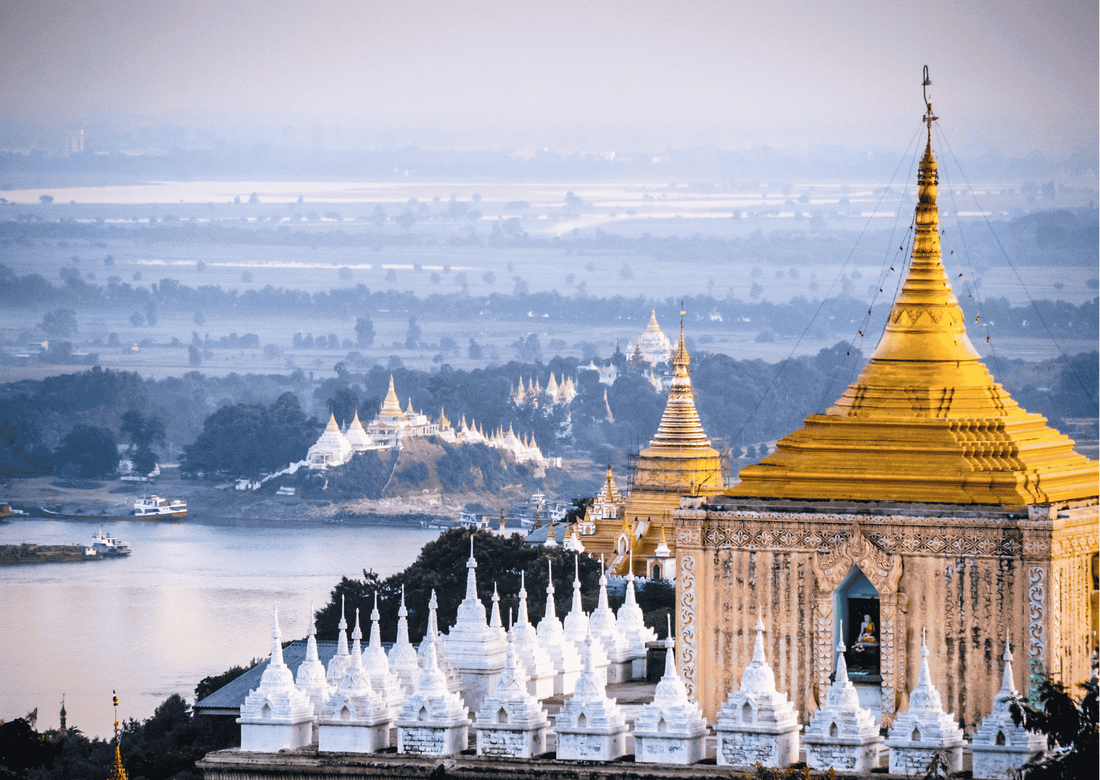
 On my initial flight to Myanmar was I was feeling apprehension sink in, due to the stringent government oversight I'd heard about. Despite these concerns, my friends and I decided to explore the city for three days, which was a fascinating experience. What did I discover during my time there? When Myanmar Gained Independence Myanmar has many influences and conquerors from areas such as Mongolia, Tibet, and later the British East India Company, and, during World War II, the Japanese. The Bamar people migrated into the famous Irrawaddy valley, bringing the Burmese language, culture and religion- now known as Buddhism, which gradually spread across the region. The country gained independence on 4th January 1948. Then, in 1989, the military government officially changed the colonial period English name of Burma, only to become Myanmar or Republic of the Union of Myanmar. The renaming remains a flashpoint issue. Those who were born in the country associate themselves with the demonym of ‘Burmese’. Finding Light Heartedness and Tolerance Do the people of Myanmar reflect the government's aggressive rule? Conversely, the people are relaxed and calm. H. Fielding Hall author of ‘The Soul of a People’ says ‘of all the lovable qualities of the Burmese – and they are many - there are none greater than these - their light heartedness and their tolerance’. Etiquette of the Burmese People They show outward care and kindness and are especially mindful of others and their lives, display modesty, and use the well-known Asiatic communication medium of ‘saving face’ as the Chinese. Another cultural interaction is ‘ahnarde’, which the burmalibrary.org states “conveys the idea of not having the heart or strength to do or say something that might impinge on the feelings of others.” Ahnarde permeates throughout etiquette interactions such as these: 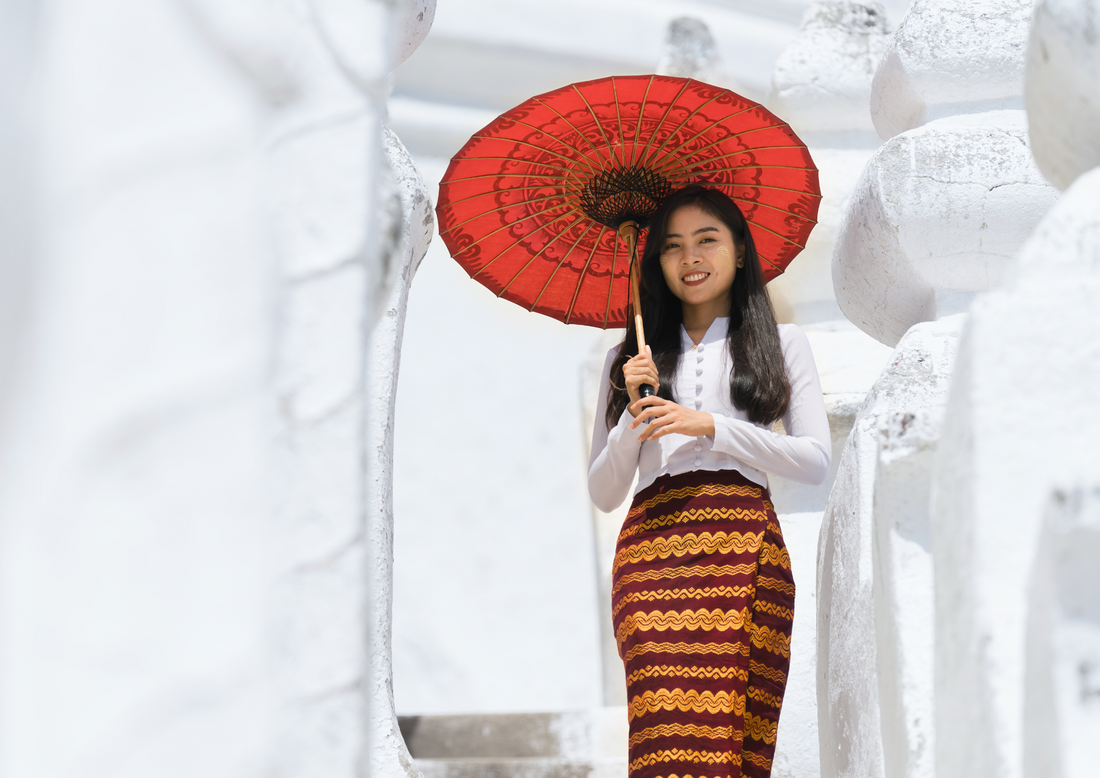
Myanmar’s Ethnic Dimensions Walking around Yangon I felt that I was surrounded by many ethic cultures and those from different countries. The array of traditional clothing worn by the people reflected the many ethnicities and nationalities present. The country is bordered by India to the west, Bangladesh to the southwest, China to the northeast, Laos and Thailand to the east and southeast. Myanmar is home to government-recognized 135 indigenous ethnic groups. The largest groups are Bamar, followed by Shan, Karen, Rakhine, Mon, Kachin, and Kayah peoples. One needs to respect individual preferences when referring to people from ethnic minorities. Many may not identify as ‘Burmese,’ preferring to use their specific ethnic identity, such as Karen, Chin, or Rohingya. The Karen people, in particular, may object to being called Burmese. The military-led government's repressive policies and ethnic conflicts have created a climate of self-censorship, particularly regarding sensitive political topics. Citizens often fear reprisals and hesitate to openly discuss controversial issues related to Myanmar due to concerns for their families and friends. Would I go back to Myanmar? My answer is, “Yes.” Despite the challenges, Myanmar's allure is undeniable. The untapped potential for exploration, the warmth of the people, the delicious cuisine, and the depth of its history have solidified my desire to make a return visit a must. Article Published By: Etiquipedia.blogspot.com
0 Comments
Leave a Reply. |
AuthorElizabeth Soos Archives
July 2026
Categories
|
 RSS Feed
