
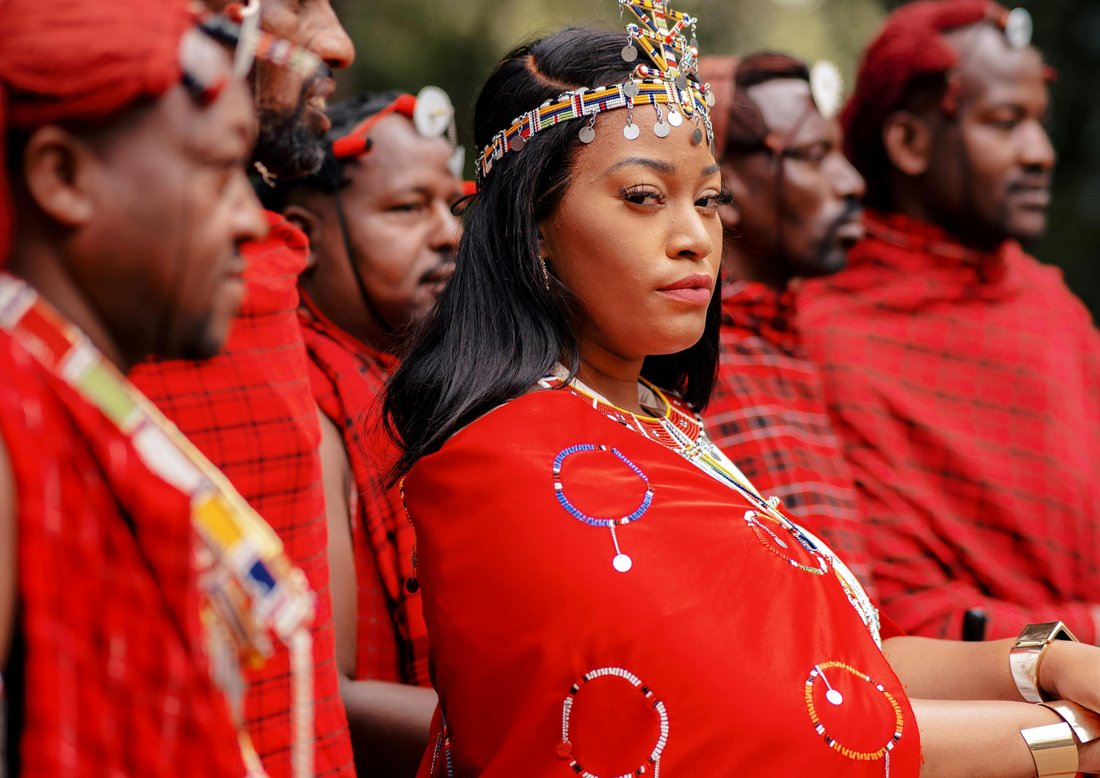
 Are you familiar with the 2006 movie The Devil Wears Prada? Early in the film, the character “Nigel” yells, “Gird your loins!” when he hears Miranda Priestly, editor of Runway magazine, is arriving early, sending the office into a frenzy. I really love that phrase “gird your loins!” because it means to prepare yourself mentally, emotionally and physically for what is to come. When I arrived in Nairobi, I had to “gird my loins” it was so busy, lots of beeping, lots of people, lots of things simultaneously happening. It was early in the morning, and the place was already buzzing. This set the tone for the rest of the trip. Kenya Cultural Expectations and Etiquette Kenya has a very rich history and demographics. Kenya is surrounded by Tanzania, Uganda, Sudan, Ethiopia and Somalia. It has had humans living there since the Paleolithic era and in the recent 500 years has had a mixture of Persian, Arab, Portuguese, Omani, and British rule, who brought Indians for the cultivation of plantations. Today, it has over 40 groups that speak their own languages and all have their own etiquette intricacies. Avoid speaking badly of either Kenya, its religions, food, education, or any of its ethnicities, as many are proud supporters and gatekeepers of these points of life and living. Greetings are essential in Kenya, so as not to offend. If you don’t greet and you want to build trust personally and in business, you most likely will be seen as aloof. Generally, it will be man-to-man and woman-to-woman. In a room full of people, you will have to take your time and greet each person personally. Respecting the elderly and greeting them when invited to a local house is essential. Those greeting the elderly need to stand up when greeting them and use both hands in the handshake, or gently hold your forearm (shaking arm) while shaking with the other person. Greetings help to avoid hugging and kissing on the cheeks when you don’t know the person. The most common spoken language in Kenya is Swahili, but most business language will be English. Many Kenyans will appreciate the work you do in trying to speak their country's language. Here are a few Swahili greetings to get you started: Jambo or Hujambo: Hello. In response say: Sijambo - I am fine Missouri -fine or ‘missouri sana - very well Habari?: How are you? Mambo?: What's up? or How are things? Shikamoo: Respectful greeting for elders or authority figures. In response say: Marahaba Asante: Thank you Karibu: Welcome If you want to win points, use this: Habari ya familia yako?: What is the news of your family? Bwana: Sir or Mr Bi: Madam or Mrs Mzee : Older or elderly man Mama: Mother or elderly woman Baba: Father or older man Dada: Sister or young female Kaka: Brother or young man 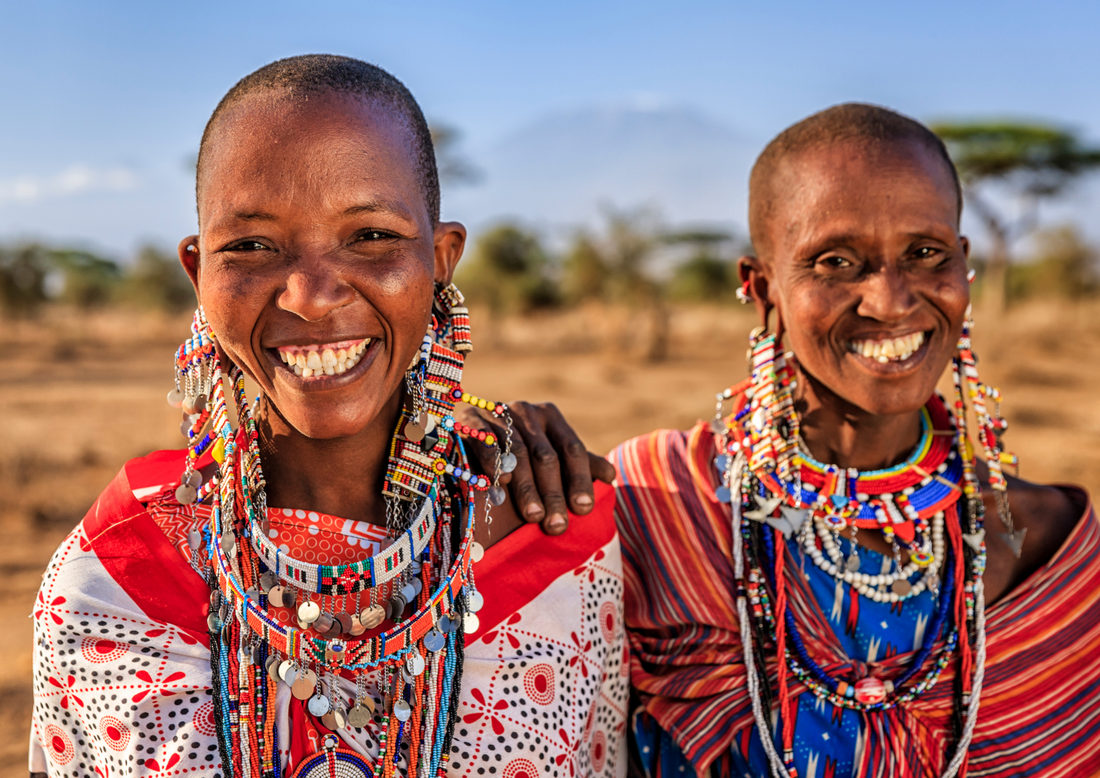 Dining Food and Etiquette in Kenya
Kenya is a major exporter of tea, and no doubt you would have drunk Kenyan tea from brands such as Lipton, PG Tips, Twinings, Yorkshire Tea, or Tetley. When you visit a person’s house, you will be served tea in the same manner as in India, by boiling it with milk and sugar. Spices such as cinnamon, cardamom, or ginger may be added and the tea will be served with foods such as bread, samosas or mandazi – fried bread. When invited to a local’s house, don’t be surprised if the Kenyan guests arrive 30-40 minutes late, as time is flexible. Common gifts to bring to the hosts are flowers and tea or something special from the country you are from. Family and food are important to Kenyans. So, complimenting the cook and taking care not to waste any food is essential. Passing and eating from both hands is correct never just pass with just the left hand. Children and adults may eat separately and at times men and elderly may be served first before women in attendance. Each family will have its own ways of eating, according to tribal customs or modernizations. Traveling Through Kenya and Safari Parks It is essential to your safety to listen carefully to park rangers when visiting Safari Parks. I remember staying overnight at one Safari Park. We all slept in tents, sharing a toilet with other tourists. We were warned not to go wandering at night as there were leopards and lions on the prowl. I promptly zipped up my tent with my friend inside and never came out till the morning. All park rangers carry guns to protect everyone from these sorts of attacks. Always treat those who are locals, such as the Maasai people, with dignity and respect. They earn their living today from tourists and remember they are allowing us into their lives and land. Article Published In: Etiquipedia.blogspot.com
0 Comments
Leave a Reply. |
AuthorElizabeth Soos Archives
July 2026
Categories
|
 RSS Feed
